

What is Spatialism?
- Show All
- Established
- Discoveries
- Show All
Artworks Related to Spatialism

Lucio Fontana
Untitled from The International Avant-Garde (volume I), 1962
Limited Edition Print
Mixed Media
USD 8,150

Lucio Fontana
Nudo rosa, 1967
Limited Edition Print
Mixed Media
USD 10,500

Jordi Alcaraz
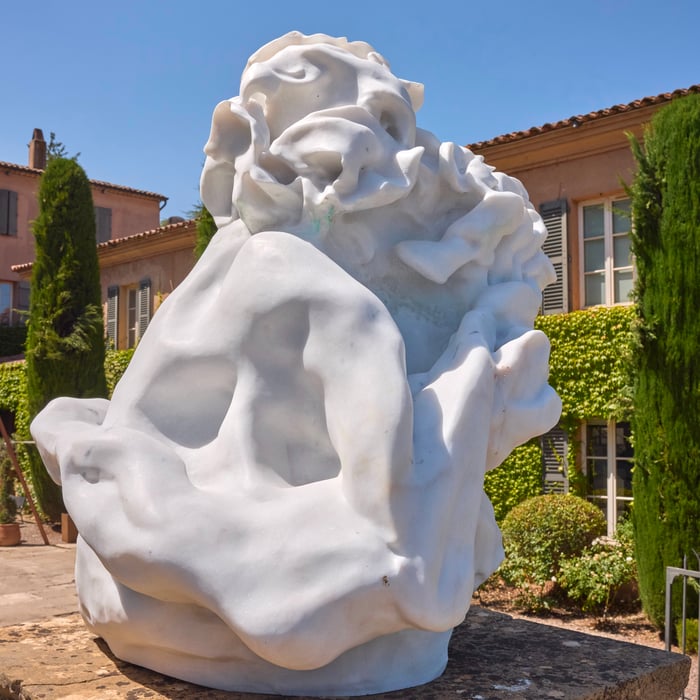
Autoretrat somiant, 2026
Sculpture / Object
Mixed Media
EUR 6,500
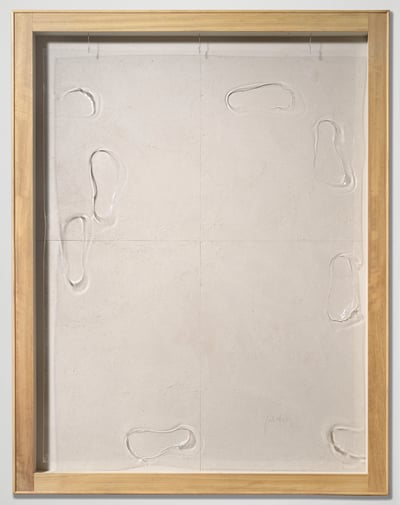
Jordi Alcaraz
Autoretrat caminant, 2026
Sculpture / Object
Mixed Media
EUR 10,000

Jordi Alcaraz
Sense títol I, 2024
Limited Edition Print
Mixed Media
Currently Not Available

Lucio Fontana
Concetto Spaziale, 1975
Limited Edition Print
Lithograph
Currently Not Available
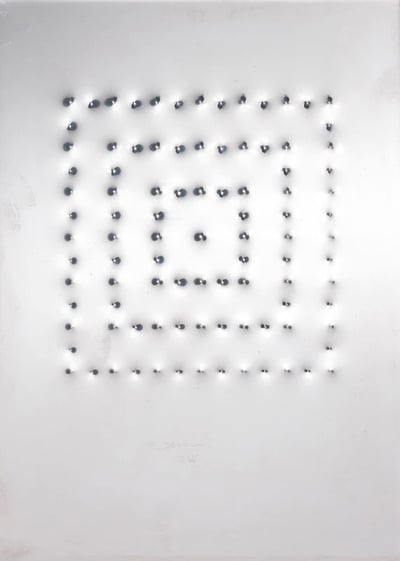
Enrico Castellani
Estroflesssso, 2008
Sculpture / Object
Metal
Currently Not Available

Enrico Castellani
Superficie (Vanilla/Gold), 1968
Limited Edition Print
Plastic
EUR 4,200

Jordi Alcaraz
Formes d’escriure (I), 2022
Limited Edition Print
Mixed Media
Currently Not Available

Agostino Bonalumi
Senza titolo, 1993
Limited Edition Print
Mixed Media
Currently Not Available
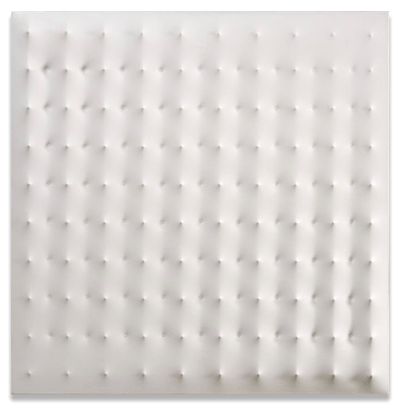
Enrico Castellani
Superficie Bianca, 1968
Limited Edition Print
Plastic
Currently Not Available

Agostino Bonalumi
Senza titolo, 1990
Sculpture / Object
Bronze
EUR 3,750
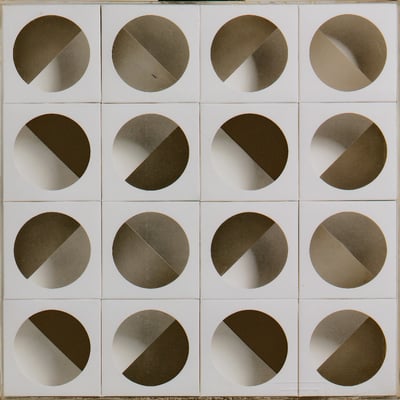
Paolo Scheggi
Inter-Ena Cubo, 1965
Sculpture / Object
Mixed Media
Currently Not Available

Lucio Fontana
Portrait D'antonin Artaud, 1968
Sculpture / Object
Mixed Media
Currently Not Available
Related Articles

Clay is a natural material formed when rocks break down over time due to weathering. Water carries the fine particles of earth, which accumulate as a soft, sticky substance called muck. This muck is collected, cleaned, and refined by removing impurities like rocks and adding sand to improve its texture, resulting in usable clay.

Pastel is an art medium in stick form made from powdered pigment and a binder. The pigments used in pastels are the same as those in other colored art media. The color effect of pastels closely resembles that of dry pigments, more so than any other medium. Artworks created with pastels are called pastel paintings, pastel drawings, or simply pastels. The term pastel can also refer to the process of creating art using pastel sticks.

Dau Al Set was an artistic movement that sought to express both the conscious and unconscious mind through art. Initially an offshoot of Surrealism, it evolved into a distinct movement over time. Founded in Catalonia post-World War II, Dau Al Set was the first artistic movement in the region after the war. The name Dau Al Set translates to the seventh face of the dice in Catalan, symbolizing the movement's unique and unconventional character.
Can't find your Answer?
Thank you! Your question has been sent — we'll get back to you shortly.
