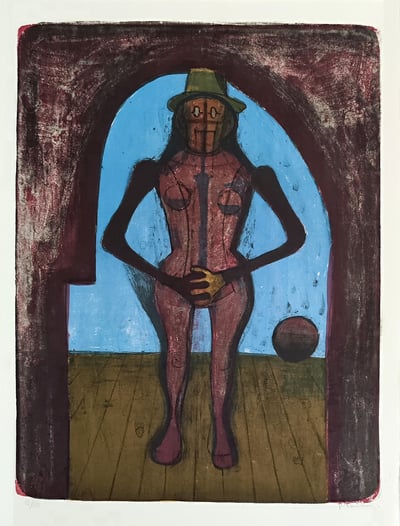
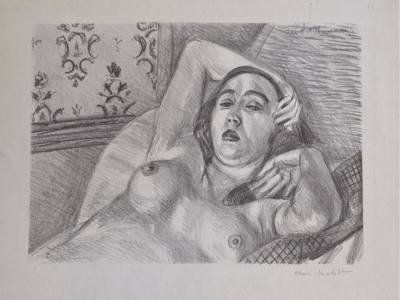
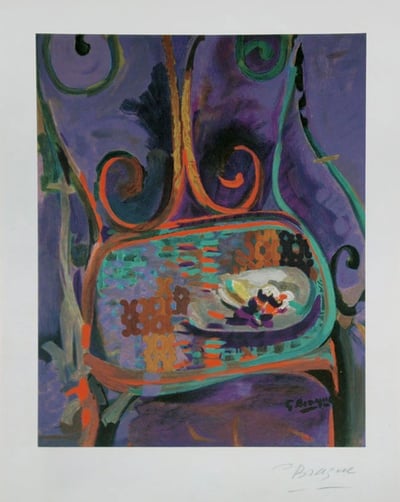
Tamayo, Rufino | Cabeza Sur Fonde Verte, P. 258, 1984 — available on Composition Gallery
Cabeza Sur Fonde Verte, P.258 exemplifies Rufino Tamayo's sophisticated engagement with portraiture within the etching medium, exploring the human head as a site of chromatic intensity and psychological complexity. Executed in 1984 in a limited edition of ninety-nine, the work demonstrates Tamayo's mastery of tonal modulation and his ability to render the specificity of individual identity. The composition celebrates the artist's mature vision synthesizing modernist abstraction with the warm emotionality characteristic of his distinctive aesthetic practice.
Artwork Copyright © Rufino Tamayo
Rufino Tamayo (Mexico, 1899–1991) blended modernism with Mexican heritage, creating bold, color-driven paintings and prints. Influenced by Zapotec culture, he avoided political narratives, focusing instead on universal themes and textured surfaces. His innovative use of color and form helped redefine 20th-century Mexican art beyond muralism.
Artwork Copyright © Rufino Tamayo

Cabeza Sur Fonde Verte, P. 258, 1984

Form

Medium

Edition

  • Authenticity Guaranteed
  • Insured Shipping
  • Online Since 2005
Inventory 16949
Signed
Comes with gallery invoice and certificate
Sell Us a Similar Artwork. Learn more.
Cabeza Sur Fonde Verte, P.258 exemplifies Rufino Tamayo's sophisticated engagement with portraiture within the etching medium, exploring the human head as a site of chromatic intensity and psychological complexity. Executed in 1984 in a limited edition of ninety-nine, the work demonstrates Tamayo's mastery of tonal modulation and his ability to render the specificity of individual identity. The composition celebrates the artist's mature vision synthesizing modernist abstraction with the warm emotionality characteristic of his distinctive aesthetic practice.
Artwork Copyright © Rufino Tamayo
Rufino Tamayo (Mexico, 1899–1991) blended modernism with Mexican heritage, creating bold, color-driven paintings and prints. Influenced by Zapotec culture, he avoided political narratives, focusing instead on universal themes and textured surfaces. His innovative use of color and form helped redefine 20th-century Mexican art beyond muralism.
Artwork Copyright © Rufino Tamayo
Femme au Collant Rose

Rufino Tamayo

Femme au Collant Rose, 1969

Limited Edition Print

Lithograph

EUR 2,600
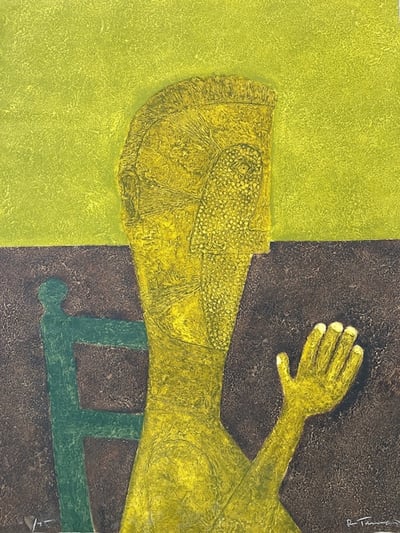
Personaje sentado

Rufino Tamayo

Personaje sentado, 1976

Limited Edition Print

Etching

EUR 4,375
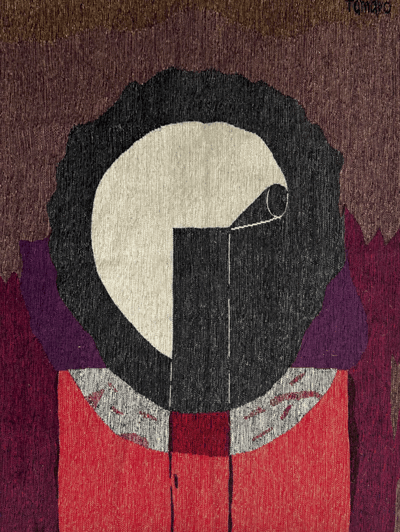
Untitled (Textile)

Rufino Tamayo

Untitled (Textile), 1960s

Tapestry

Tapestry

Inquire For Price
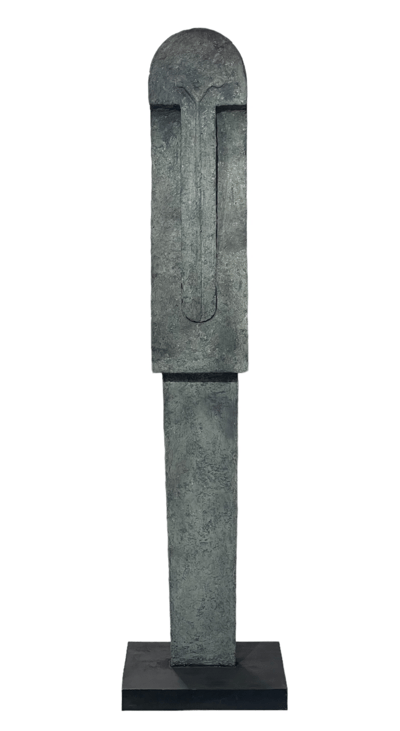
Monolito

Rufino Tamayo

Monolito, 1981

Sculpture / Object

Mixed Media

Inquire For Price

Dos Figuras

Rufino Tamayo

Dos Figuras, 1973

Limited Edition Print

Lithograph

USD 5,980
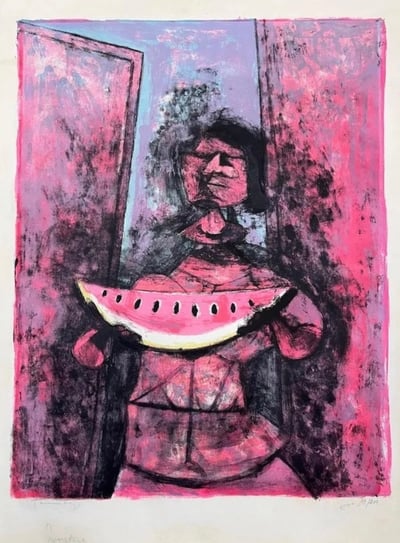
Mujer con sandia

Rufino Tamayo

Mujer con sandia, 1950

Limited Edition Print

Lithograph

EUR 5,000
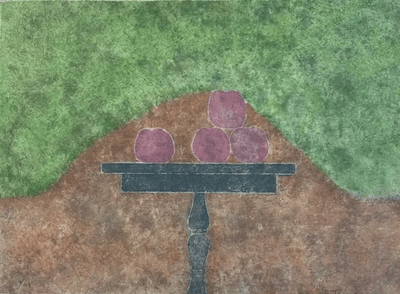
Bodegón

Rufino Tamayo

Bodegón, 1980

Limited Edition Print

Etching

EUR 5,200
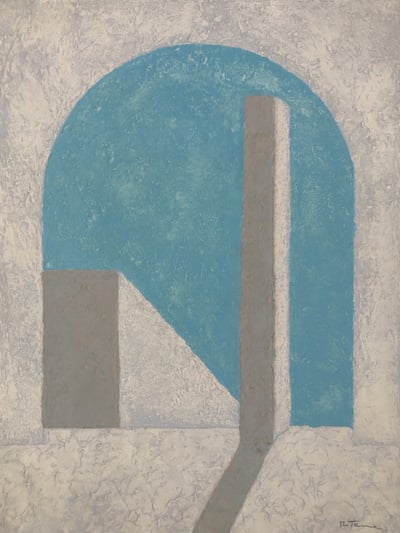
Torre Blanca, P. 197

Rufino Tamayo

Torre Blanca, P. 197, 1976

Limited Edition Print

Etching

USD 5,500

Dos Figuras, P. 205

Rufino Tamayo

Dos Figuras, P. 205, 1976

Limited Edition Print

Etching

USD 6,600

Cabeza Sur Fonde Verte, P. 258

Rufino Tamayo

Cabeza Sur Fonde Verte, P. 258, 1984

Limited Edition Print

Etching

USD 6,600
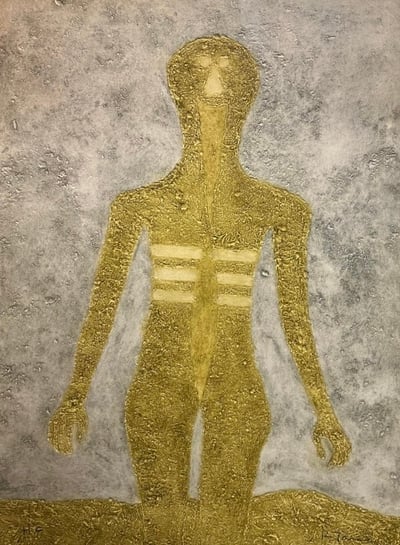
Figura Sobre Azur

Rufino Tamayo

Figura Sobre Azur, 1976

Limited Edition Print

Etching

USD 5,200

Stay Updated on Rufino Tamayo

Subscribe to receive updates on new artworks, exhibitions and news about Rufino Tamayo.

We respect your privacy and protect your information.
What is late modernism?

What is late modernism?

Late Modernism refers to the continuation and evolution of Modernist principles in art, architecture, and literature from the mid-20th century into the late 20th century. This movement maintains a focus on form, abstraction, and the rejection of traditional styles, but it often incorporates more complexity and ambiguity compared to early Modernism. Late Modernism explores themes such as alienation, identity, and the fragmentation of reality, reflecting the social and cultural shifts of the post-war period. It is seen in the works of architects like Louis Kahn and artists like Francis Bacon, who pushed the boundaries of Modernism while responding to the changing world around them.

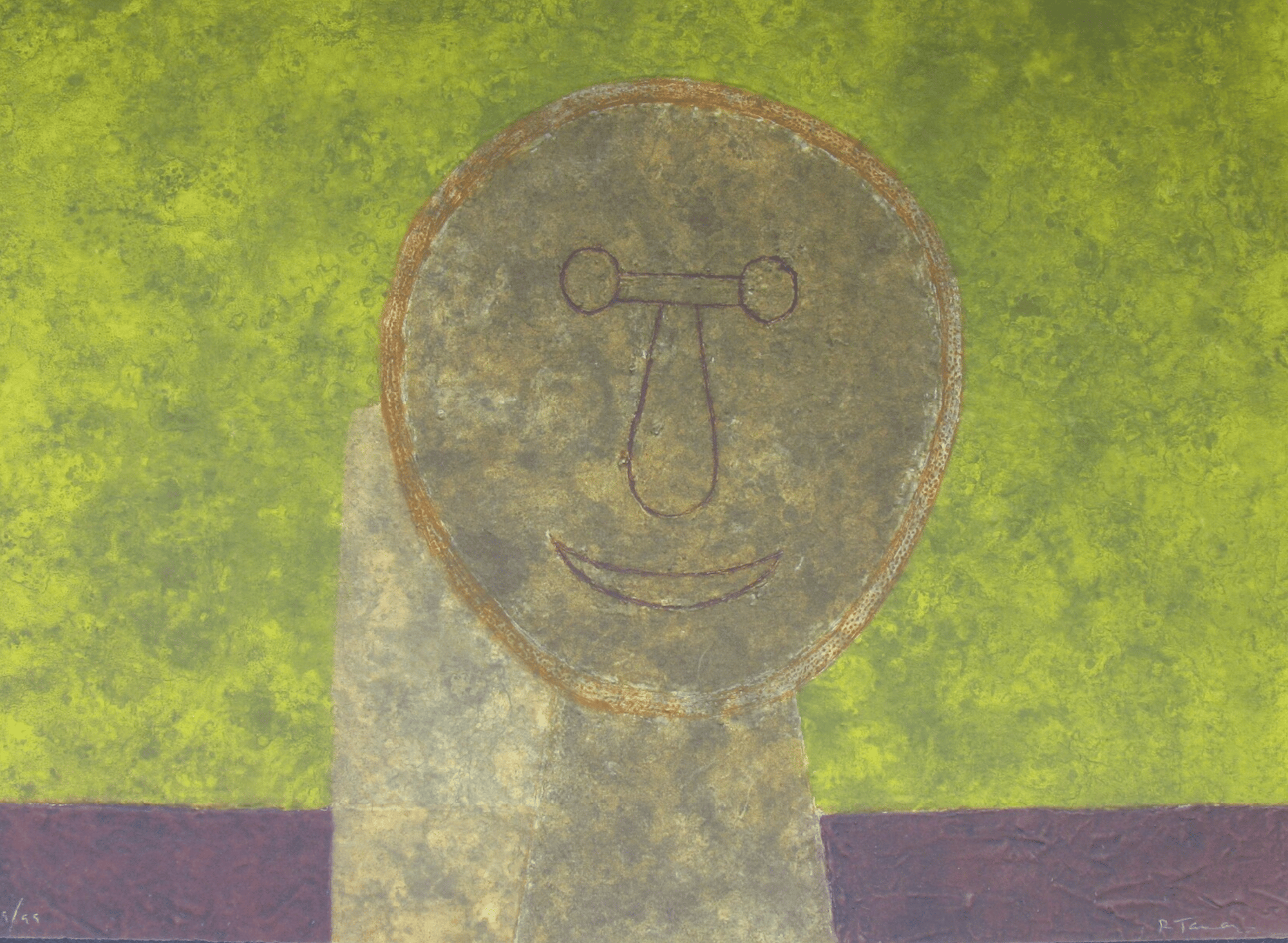
Tamayo, Rufino | Cabeza Sur Fonde Verte, P. 258, 1984 — available on Composition Gallery

Rufino Tamayo

Cabeza Sur Fonde Verte, P. 258, 1984

55.9 x 74.9 cm

Est. 2005 — twenty years of collecting, online.