

Magic Carpet (small), 2006
Form
Medium
Size
- Inches
- Centimeters
Edition
Price
- USD
- EUR
- GBP
- CHF
- Authenticity Guaranteed
- Insured Shipping
- Online Since 2005

Sergey Bratkov
Magic Carpet (small), 2006
Tapestry
Tapestry
EUR 2,700

Sergey Bratkov
Dream about double Killing (dressing midget), 1998 - 2006
Photography
Photograph
EUR 3,900

Sergey Bratkov
Dream about double Killing (closet), 1998 - 2006
Photography
Photograph
EUR 3,900

Sergey Bratkov
Dream about double Killing (smile), 1998 - 2006
Photography
Photograph
EUR 3,900

Sergey Bratkov
Dream about double Killing (pants down), 1998 - 2006
Photography
Photograph
EUR 3,900

Sergey Bratkov
Dream about double Killing (dance), 1998 - 2006
Photography
Photograph
EUR 3,900

Sergey Bratkov
Dream about double Killing (boot), 1998 - 2006
Photography
Photograph
EUR 3,900

Sergey Bratkov
Dream about double Killing (medals), 1998 - 2006
Photography
Photograph
EUR 3,900

Sergey Bratkov
Dream about double Killing (foil), 1998 - 2006
Photography
Photograph
EUR 3,900

Sergey Bratkov
Dream about double Killing (gloves), 1998 - 2006
Photography
Photograph
EUR 3,900

Sergey Bratkov
Dream about double Killing (stage), 1998 - 2006
Photography
Photograph
EUR 3,900

Sergey Bratkov
Dream about double Killing (lingery), 1998 - 2006
Photography
Photograph
EUR 3,900

Sergey Bratkov
Dream about double Killing (red man), 1998 - 2006
Photography
Photograph
EUR 3,900

Sergey Bratkov
Dream about double Killing (bra), 1998 - 2006
Photography
Photograph
EUR 3,900

Sergey Bratkov
Dream about double Killing (gun), 1998 - 2006
Photography
Photograph
EUR 3,900

Sergey Bratkov
Dream about double Killing (model), 1998 - 2006
Photography
Photograph
EUR 3,900

Sergey Bratkov
Dream about double Killing (trio masks), 1998 - 2006
Photography
Photograph
EUR 3,900

Sergey Bratkov
Dream about double Killing (fight), 1998 - 2006
Photography
Photograph
EUR 3,900

Sergey Bratkov
Dream about double Killing (sword), 1998 - 2006
Photography
Photograph
EUR 3,900

Sergey Bratkov
Dream about double Killing (stage), 1998 - 2006
Photography
Photograph
EUR 3,900

Sergey Bratkov
Dream about double Killing (soldier), 1998 - 2006
Photography
Photograph
EUR 3,900

Sergey Bratkov
Dream about double Killing (red couple), 1998 - 2006
Photography
Photograph
EUR 3,900

Sergey Bratkov
Dream about double Killing (hat), 1998 - 2006
Photography
Photograph
EUR 3,900

Sergey Bratkov
Dream about double Killing (doll), 1998 - 2006
Photography
Photograph
EUR 3,900

Sergey Bratkov
Dream about double Killing (midget), 1998 - 2006
Photography
Photograph
EUR 3,900

Sergey Bratkov
Dream about double Killing (fall), 1998 - 2006
Photography
Photograph
EUR 3,900

Sergey Bratkov
Dream about double Killing (stockings), 1998 - 2006
Photography
Photograph
EUR 3,900

Sergey Bratkov
Dream about double Killing (trio), 1998 - 2006
Photography
Photograph
EUR 3,900

Sergey Bratkov
Dream about double Killing (marriage) , 1998 - 2006
Photography
Photograph
EUR 3,900

Sergey Bratkov
Dream about double Killing (legs), 1998 - 2006
Photography
Photograph
EUR 3,900

Sergey Bratkov
Dream about double Killing (star), 1998 - 2006
Photography
Photograph
EUR 3,900

Sergey Bratkov
Dream about double Killing (arrow), 1998 - 2006
Photography
Photograph
EUR 3,900

Sergey Bratkov
Dream about double Killing (Kitchen), 1998 - 2006
Photography
Photograph
EUR 3,900

Sergey Bratkov
Dream about double Killing (football), 1998 - 2006
Photography
Photograph
EUR 3,900

Sergey Bratkov
Dream about double Killing (duo), 1998 - 2006
Photography
Photograph
EUR 3,900

Sergey Bratkov
Scream, 1998
Photography
Inkjet print
EUR 8,000

Sergey Bratkov
Dream Rooms, 2006
Photography
Pigment print
EUR 7,000

Sergey Bratkov
Magic Carpet (large), 2006
Photography
Mixed Media
EUR 12,000
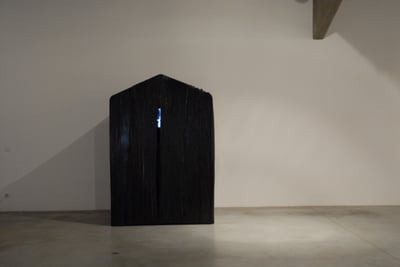
Sergey Bratkov
Vibrat, 2006
Sculpture / Object
Mixed Media
EUR 15,000

Sergey Bratkov
Midday in Shargorod (N°20 from the project UKRAINE), 2009
Photography
Photograph
EUR 12,500

Sergey Bratkov
Kostya, 2003
Photography
Photograph
Currently Not Available

Sergey Bratkov
Sergey Bratkov - Married, 2004
Limited Edition Print
Lambda print
Currently Not Available
Related Artists


What is activist art?
Activist Art is a form of art created to address social and political issues. It often involves public engagement and works closely with communities to raise awareness or inspire change. While it can include elements of performance art, it is not limited to this form. Examples include creating and distributing social protest posters or organizing community-based art projects that highlight specific causes.


Sergey Bratkov
Magic Carpet (small), 2006
200 x 200 cm


