

What is lowbrow?
- Show All
- Established
- Discoveries
- Show All
Artworks Related to Lowbrow
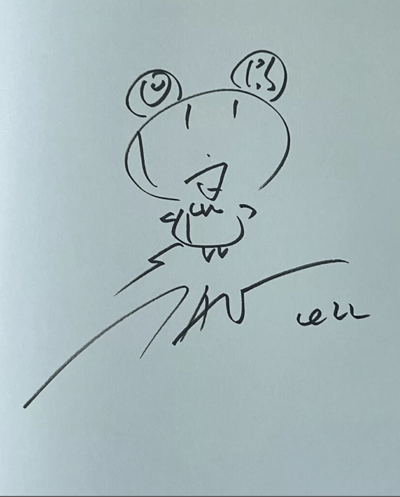
Takashi Murakami
Mr DOB, 2022
Drawing / Watercolor
Ink
GBP 15,000 - 19,500
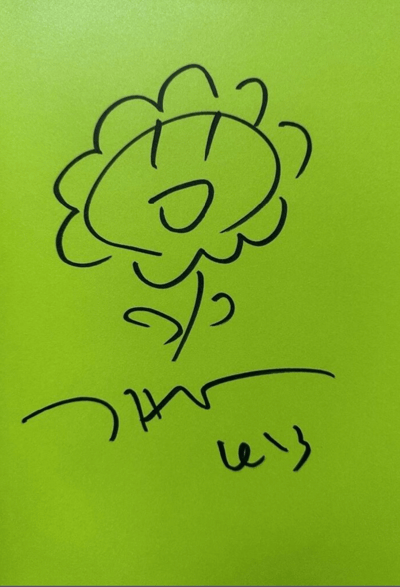
Takashi Murakami
Untitiled (Mr DOB), 2023
Drawing / Watercolor
Ink
GBP 17,500 - 22,700
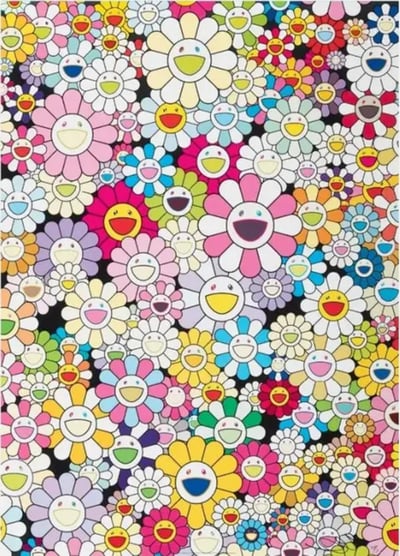
Takashi Murakami
Homage to Yves Klein, Multicolor A, 2012
Limited Edition Print
Offset Print
GBP 2,750 - 3,500
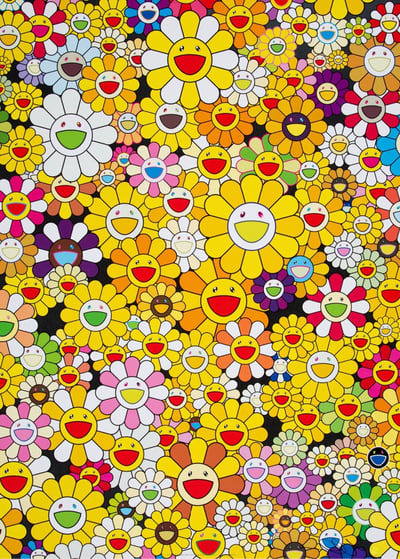
Takashi Murakami
An Homage to Monogold, 1960 A, 2012
Limited Edition Print
Offset Print
GBP 2,250 - 2,900
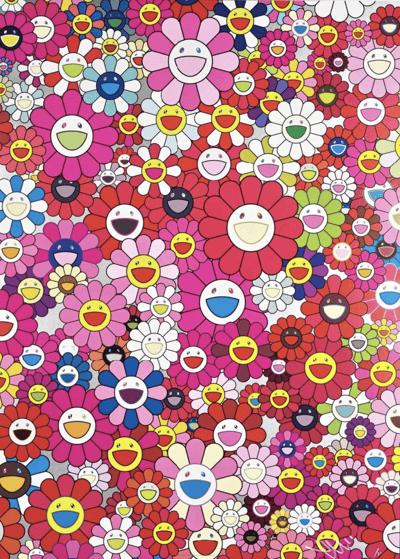
Takashi Murakami
Homage to Monopink, 1960 A, 2012
Limited Edition Print
Offset Print
GBP 2,250 - 2,900
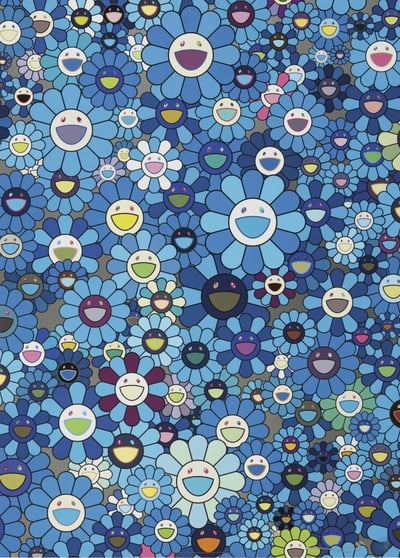
Takashi Murakami
An Homage to IKB, 1957 A, 2012
Limited Edition Print
Offset Print
GBP 2,500 - 3,200
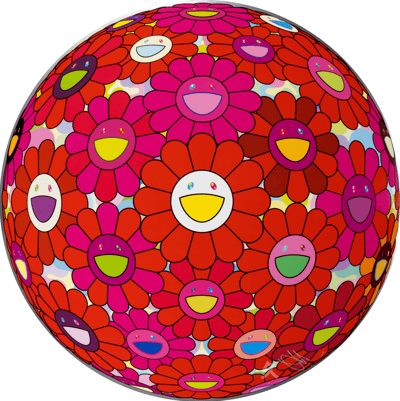
Takashi Murakami
Flowers of Gratitude, 2022
Limited Edition Print
Lithograph
GBP 1,800
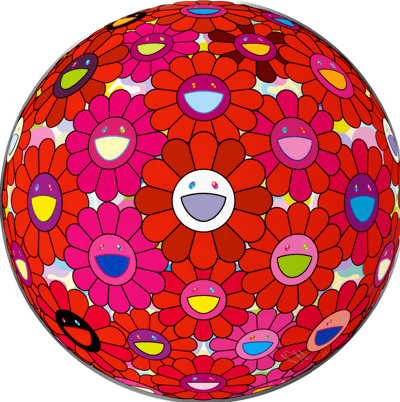
Takashi Murakami
Inside the Soul, 2022
Limited Edition Print
Offset Print
GBP 1,800
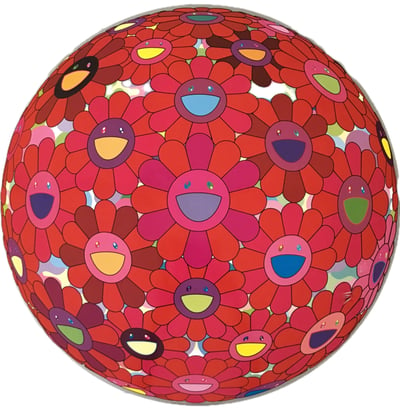
Takashi Murakami
Let Us Devote Our Hearts, 2022
Limited Edition Print
Offset Print
GBP 1,700
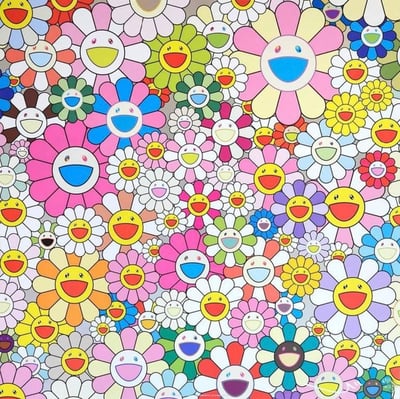
Takashi Murakami
Flower Smile, 2011
Limited Edition Print
Offset Print
GBP 3,000 - 4,000
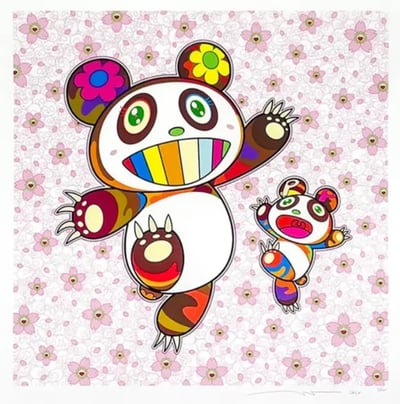
Takashi Murakami
Panda Mother and Baby in a Flurry of Cherry Blossom Petals, 2024
Limited Edition Print
Silkscreen
GBP 4,000 - 5,800
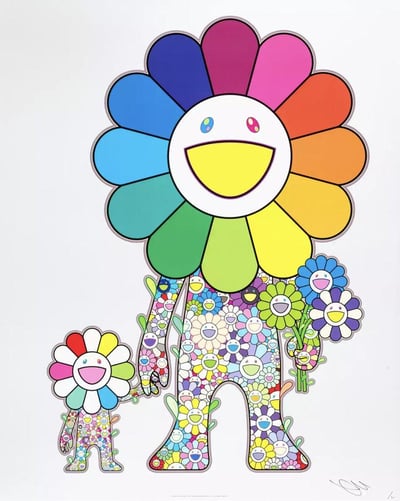
Takashi Murakami
Flower Parent and Child, 2021
Limited Edition Print
Offset Print
GBP 3,000 - 4,500
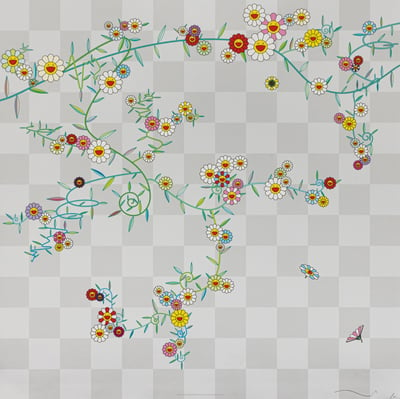
Takashi Murakami
CUBE 2, 2001
Limited Edition Print
Offset Print
GBP 1,950 - 2,500
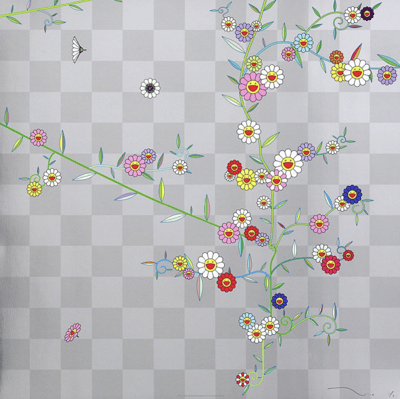
Takashi Murakami
Cosmos, 2000
Limited Edition Print
Offset Print
GBP 1,950 - 2,500
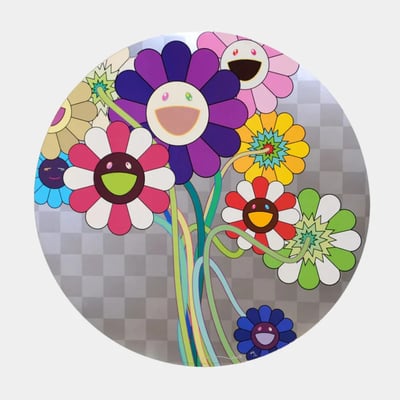
Takashi Murakami
Purple Flowers in a Bouquet, 2010
Limited Edition Print
Offset Print
GBP 1,950 - 2,500
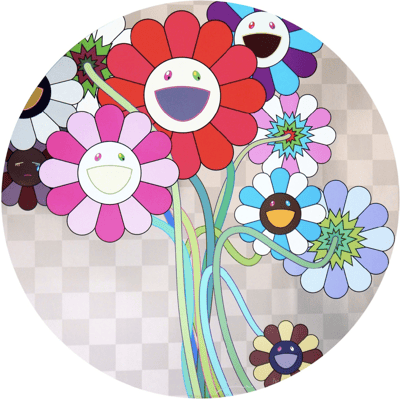
Takashi Murakami
Warhol/Silver, 2009
Limited Edition Print
Offset Print
GBP 2,340
Related Articles
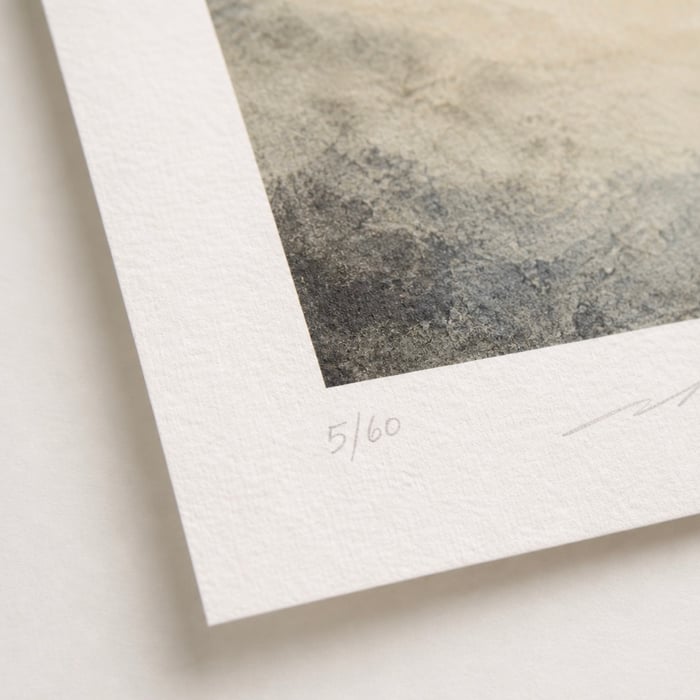
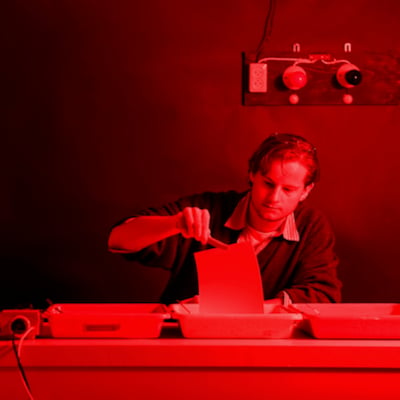
A silver gelatin print is a type of photographic print made using the silver process. In this process, photographic materials such as black and white films and printing papers are coated with a light-sensitive emulsion of silver salts suspended in gelatin. This emulsion is applied to a support, which could be flexible plastic, glass, resin-coated paper, or baryta paper. The materials are light-sensitive and remain stable under normal storage conditions, making them ideal for long-term preservation.

Digital art refers to artistic practices or works that utilize digital technology as an essential component of both the creation and presentation process. Since the 1970s, various terms like multimedia and computer art have been used to describe this practice. Digital art is a subset of the broader category known as new media art, which has brought significant changes to the art world. Technology has transformed traditional forms of painting, drawing, sound/music, and sculpture into new digital formats, expanding the possibilities of artistic expression.
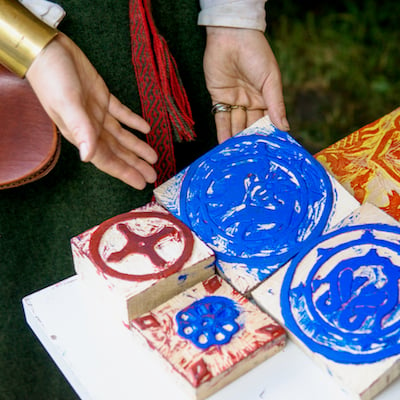
Woodblock printing is a technique that uses a carved wooden surface to create an image on materials such as paper or cloth. Ink or paint is applied thinly to the carved surface, which is then pressed against the material to transfer the image. This method has been historically significant in various cultures for producing prints and textiles.
Can't find your Answer?
Thank you! Your question has been sent — we'll get back to you shortly.
