

What is lowbrow?
- Show All
- Established
- Discoveries
- Show All
Artworks Related to Lowbrow

Takashi Murakami
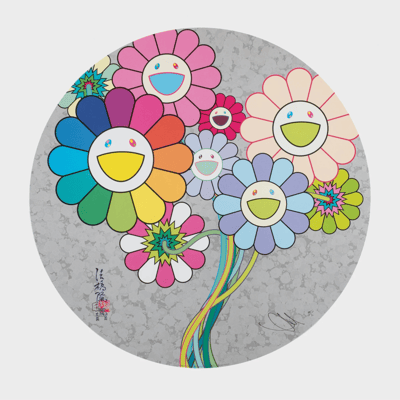
Korin and Warhol, 2021
Limited Edition Print
Offset Print
GBP 1,900
Takashi Murakami
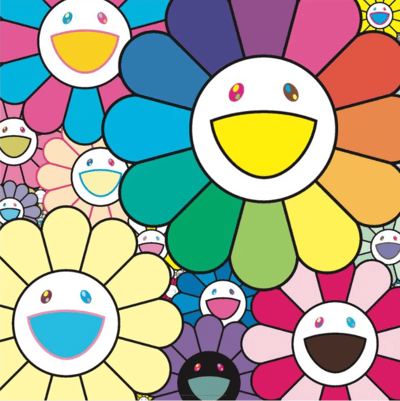
Re: Flowers for Algernon, 2024
Limited Edition Print
Offset Print
GBP 1,950
Takashi Murakami
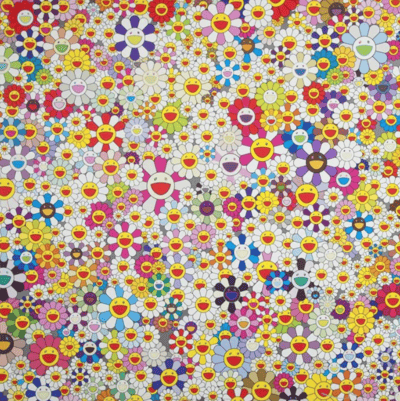
Lots of Flowers, 2024
Limited Edition Print
Offset Print
GBP 1,800
Takashi Murakami
Open Your Hands Wide, Embrace Happiness!, 2010
Limited Edition Print
Offset Print
GBP 3,000

Takashi Murakami
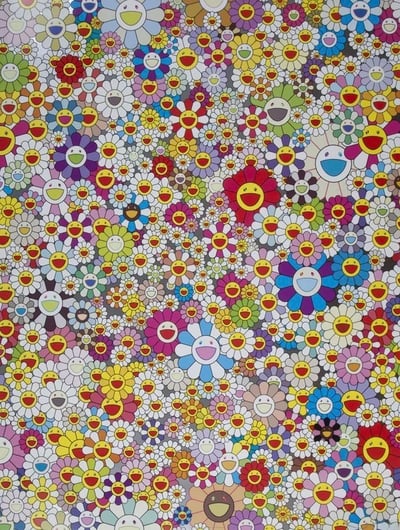
If I Could Reach That Field Of Flowers, I Would Die Happy, 2010
Limited Edition Print
Offset Print
GBP 3,000
Takashi Murakami
Poporoke Forest, 2011
Limited Edition Print
Offset Print
GBP 4,750
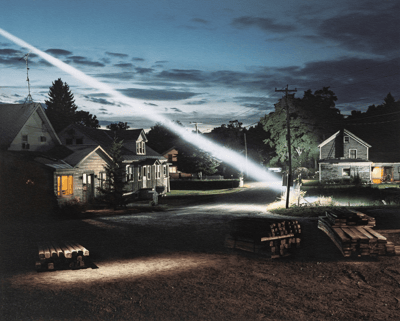
Gregory Crewdson
Untitled (Ray of Light), 2001
Photography
Digital Print on paper
Inquire For Price

Takashi Murakami
BLACKPINK Pandakashi (Pink), 2023
Limited Edition Print
Mixed Media
GBP 2,390

Takashi Murakami
Vapor Trail, 2004
Limited Edition Print
Offset Print
GBP 5,400

Takashi Murakami
Multiverse, Flowers, 2023
Limited Edition Print
Offset Print
EUR 5,400

Takashi Murakami
Charge into the Center of Consciousness, 2023
Limited Edition Print
Offset Print
EUR 5,400

Takashi Murakami
Kaikai and Kiki, 2018
Sculpture / Object
Mixed Media
EUR 4,800
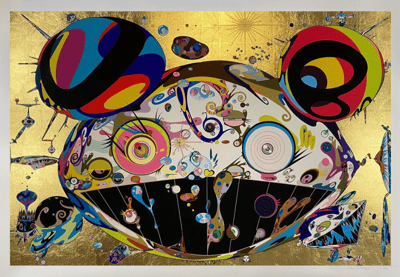
Takashi Murakami
Tan Tan Bo, 2016
Limited Edition Print
Mixed Media
EUR 29,250

Takashi Murakami
A Panda Cub Hugging a Ball of Flowers, 2020
Limited Edition Print
Silkscreen
GBP 2,950

Takashi Murakami
Untitled - yellow, 2020
Sculpture / Object
Mixed Media
Inquire For Price

Takashi Murakami
Untitled - multi, 2020
Sculpture / Object
Mixed Media
Inquire For Price
Related Articles
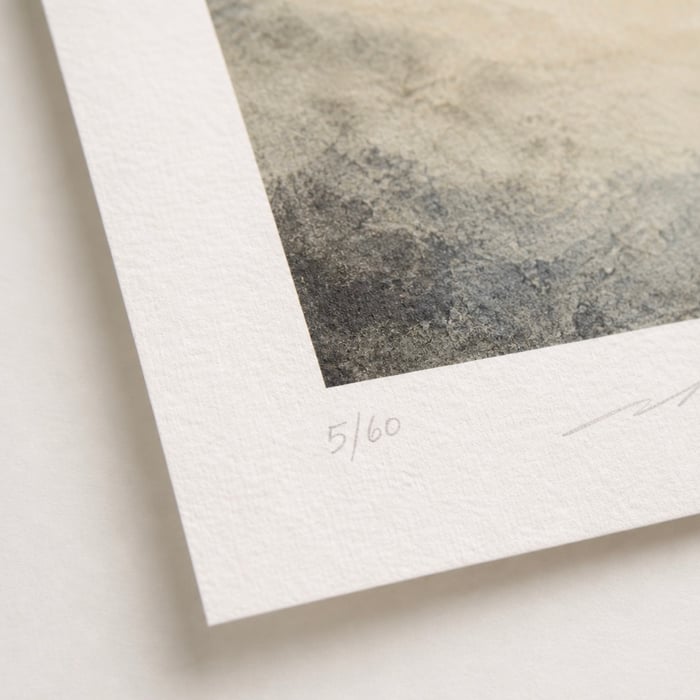
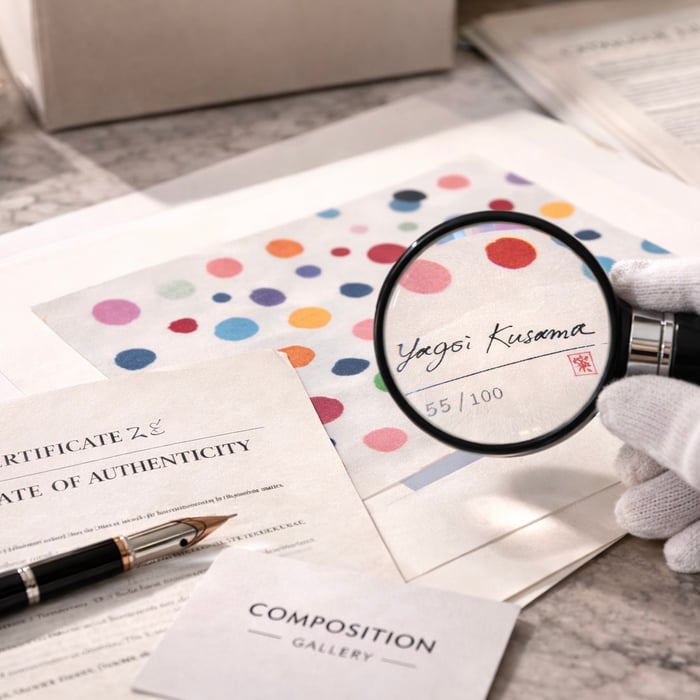
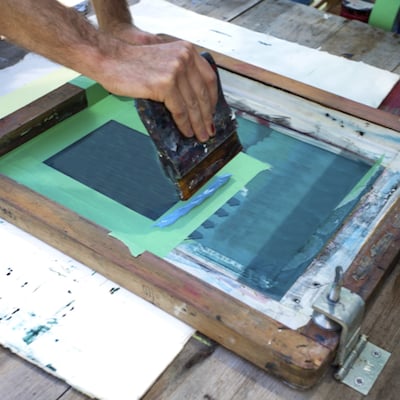
Serigraph is a printmaking process that uses silk screen techniques to create an image. The image is digitally separated into individual colors, each of which is assigned to a separate silk screen. These screens are then used to apply each color by hand, layer by layer, to replicate the original artwork, often based on an oil painting.
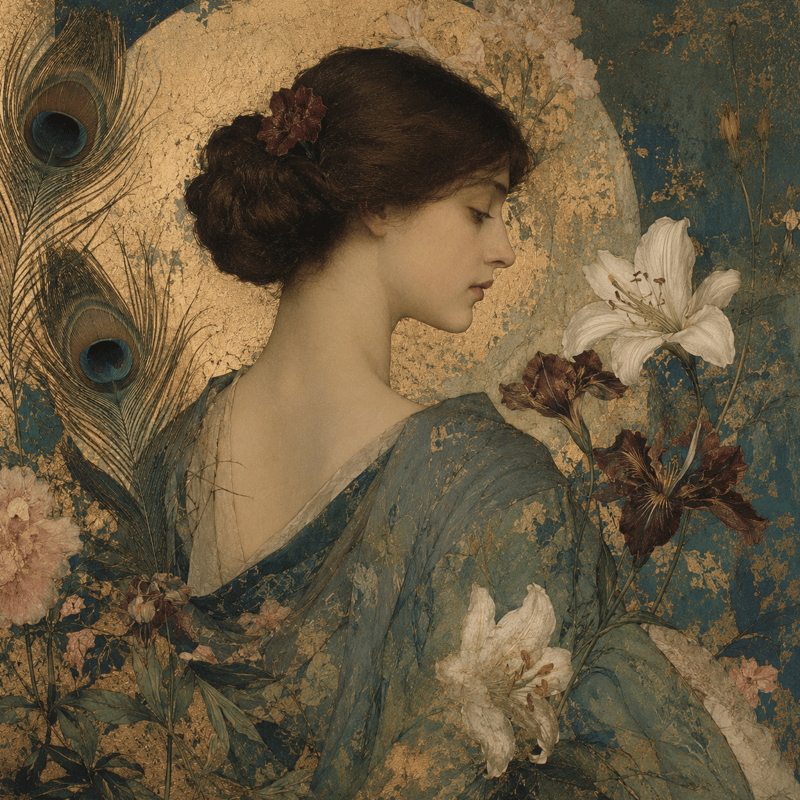
The Aesthetic Movement emerged in the late 19th century, emphasizing the beauty and sensual qualities of art over practical or moral considerations. It promoted the idea of creating art for its own sake, valuing beauty and aesthetic experience as ends in themselves. The movement was particularly influential in Britain.

Matter painting is a technique that involves blending thick impasto paints with materials like cement, mud, sand, or shells. The term first emerged in the 1950s to describe the works of Belgian and Dutch painters who explored the physical properties of painting materials and the different ways paint could be manipulated. This approach emphasizes texture and the tactile qualities of the surface, creating a sculptural effect on the canvas.
Can't find your Answer?
Thank you! Your question has been sent — we'll get back to you shortly.
