

Frankfurter Allgemeine, 2014
Form
Medium
Size
- Inches
- Centimeters
Edition
Price
- USD
- EUR
- GBP
- CHF
- Authenticity Guaranteed
- Insured Shipping
- Online Since 2005

Jacob Kassay
Untitled 6/10 (Radikal), 2013
Limited Edition Print
Lithograph
EUR 5,500

Jacob Kassay
Untitled 7/10 (Radikal), 2013
Limited Edition Print
Lithograph
EUR 5,500

Jacob Kassay
Untitled 4/10 (Radikal), 2013
Limited Edition Print
Lithograph
EUR 5,500

Jacob Kassay
Untitled 8/8 (La Opinión), 2013
Limited Edition Print
Lithograph
EUR 5,500

Jacob Kassay
Untitled 7/8 (La Opinión), 2013
Limited Edition Print
Lithograph
EUR 5,500

Jacob Kassay
Untitled 6/8 (La Opinión), 2013
Limited Edition Print
Lithograph
EUR 5,500

Jacob Kassay
Untitled 4/8 (La Opinión), 2013
Limited Edition Print
Lithograph
EUR 5,500

Jacob Kassay
Untitled 3/8 (La Opinión), 2013
Limited Edition Print
Lithograph
EUR 5,500

Jacob Kassay
Untitled 2/8 (La Opinión), 2013
Limited Edition Print
Lithograph
EUR 5,500

Jacob Kassay
Untitled 1/8 (La Opinión), 2013
Limited Edition Print
Lithograph
EUR 5,500

Jacob Kassay
Untitled 6/7 (Le Monde), 2013
Limited Edition Print
Lithograph
EUR 5,500

Jacob Kassay
Untitled 5/7 (Le Monde), 2013
Limited Edition Print
Lithograph
EUR 5,500

Jacob Kassay
Untitled 2/7 (Le Monde), 2013
Limited Edition Print
Lithograph
EUR 5,500
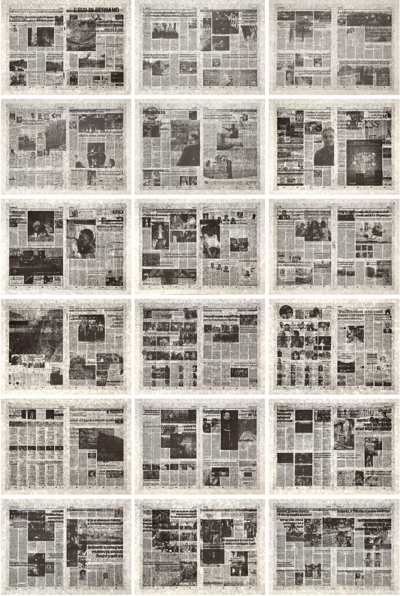
Jacob Kassay
L'eco di Bergamo , 2014
Limited Edition Print
Lithograph
EUR 90,000 - 110,000

Jacob Kassay
Untitled 5/10 (Radikal), 2013
Limited Edition Print
Lithograph
EUR 5,500

Jacob Kassay
Untitled 1/10 (Radikal), 2013
Limited Edition Print
Lithograph
EUR 5,500

Jacob Kassay
Untitled 9/10 (Radikal), 2013
Limited Edition Print
Lithograph
EUR 5,500
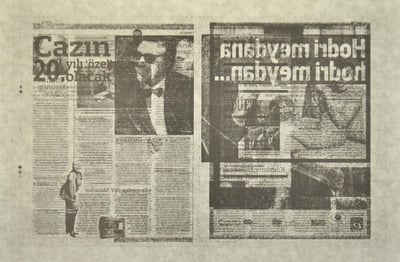
Jacob Kassay
Untitled 8/10 (Radikal), 2013
Limited Edition Print
Lithograph
EUR 5,500

Jacob Kassay
Untitled 2/10 (Radikal), 2013
Limited Edition Print
Lithograph
EUR 5,500

Jacob Kassay
Untitled 10/10 (Radikal), 2013
Limited Edition Print
Lithograph
EUR 5,500

Jacob Kassay
Untitled 3/10 (Radikal), 2013
Limited Edition Print
Lithograph
EUR 5,500

Jacob Kassay
Untitled 3/7 (Le Monde), 2013
Limited Edition Print
Lithograph
EUR 5,500

Jacob Kassay
Untitled 5/8 (La Opinión), 2013
Limited Edition Print
Lithograph
EUR 5,500
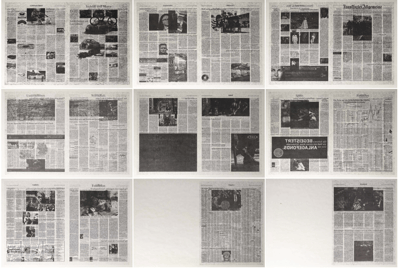
Jacob Kassay
Frankfurter Allgemeine, 2014
Limited Edition Print
Lithograph
EUR 45,000
Related Artists


What is Colour Field Painting?
Colour Field Painting is an abstract style characterized by large areas of a single color or simple, solid colors. The term was first used in the 1950s to describe the work of three American Abstract Expressionist painters—Barnett Newman, Mark Rothko, and Clyfford Still. Their work emphasized the emotional power of color and the creation of vast, meditative spaces through expansive color fields.


Jacob Kassay
Frankfurter Allgemeine, 2014
65 x 87 cm


