

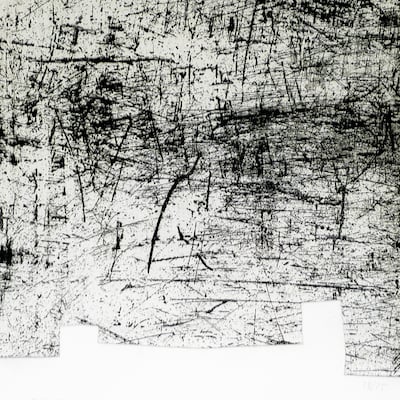
Untitled 4/10 (Radikal), 2013
Form
Medium
Size
- Inches
- Centimeters
Edition
Price
- USD
- EUR
- GBP
- CHF
- Authenticity Guaranteed
- Insured Shipping
- Online Since 2005

Jacob Kassay
Untitled 6/10 (Radikal), 2013
Limited Edition Print
Lithograph
EUR 5,500

Jacob Kassay
Untitled 7/10 (Radikal), 2013
Limited Edition Print
Lithograph
EUR 5,500

Jacob Kassay
Untitled 4/10 (Radikal), 2013
Limited Edition Print
Lithograph
EUR 5,500

Jacob Kassay
Untitled 8/8 (La Opinión), 2013
Limited Edition Print
Lithograph
EUR 5,500

Jacob Kassay
Untitled 7/8 (La Opinión), 2013
Limited Edition Print
Lithograph
EUR 5,500

Jacob Kassay
Untitled 6/8 (La Opinión), 2013
Limited Edition Print
Lithograph
EUR 5,500

Jacob Kassay
Untitled 4/8 (La Opinión), 2013
Limited Edition Print
Lithograph
EUR 5,500

Jacob Kassay
Untitled 3/8 (La Opinión), 2013
Limited Edition Print
Lithograph
EUR 5,500

Jacob Kassay
Untitled 2/8 (La Opinión), 2013
Limited Edition Print
Lithograph
EUR 5,500

Jacob Kassay
Untitled 1/8 (La Opinión), 2013
Limited Edition Print
Lithograph
EUR 5,500

Jacob Kassay
Untitled 6/7 (Le Monde), 2013
Limited Edition Print
Lithograph
EUR 5,500

Jacob Kassay
Untitled 5/7 (Le Monde), 2013
Limited Edition Print
Lithograph
EUR 5,500

Jacob Kassay
Untitled 2/7 (Le Monde), 2013
Limited Edition Print
Lithograph
EUR 5,500
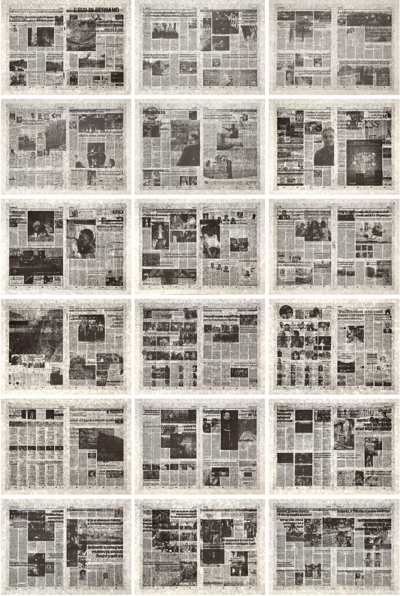
Jacob Kassay
L'eco di Bergamo , 2014
Limited Edition Print
Lithograph
EUR 90,000 - 110,000

Jacob Kassay
Untitled 5/10 (Radikal), 2013
Limited Edition Print
Lithograph
EUR 5,500

Jacob Kassay
Untitled 1/10 (Radikal), 2013
Limited Edition Print
Lithograph
EUR 5,500

Jacob Kassay
Untitled 9/10 (Radikal), 2013
Limited Edition Print
Lithograph
EUR 5,500
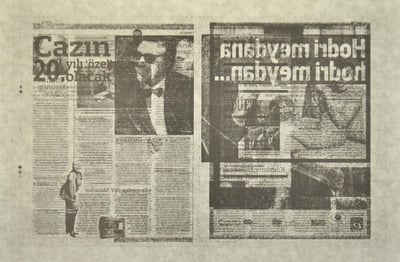
Jacob Kassay
Untitled 8/10 (Radikal), 2013
Limited Edition Print
Lithograph
EUR 5,500

Jacob Kassay
Untitled 2/10 (Radikal), 2013
Limited Edition Print
Lithograph
EUR 5,500

Jacob Kassay
Untitled 10/10 (Radikal), 2013
Limited Edition Print
Lithograph
EUR 5,500

Jacob Kassay
Untitled 3/10 (Radikal), 2013
Limited Edition Print
Lithograph
EUR 5,500

Jacob Kassay
Untitled 3/7 (Le Monde), 2013
Limited Edition Print
Lithograph
EUR 5,500

Jacob Kassay
Untitled 5/8 (La Opinión), 2013
Limited Edition Print
Lithograph
EUR 5,500
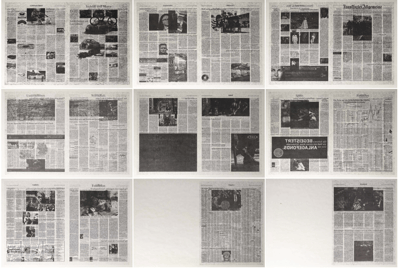
Jacob Kassay
Frankfurter Allgemeine, 2014
Limited Edition Print
Lithograph
EUR 45,000
Related Artists


What is abstract art?
Abstract art uses form, shape, line, and color to create a visual experience without attempting to represent external reality. The composition exists independently of the world's visual references, focusing on expressing ideas and emotions through non-representational means.


Jacob Kassay
Untitled 4/10 (Radikal), 2013
40 x 61 cm


