

Monkey Train (Blue), 2007
Form
Medium
Size
- Inches
- Centimeters
Edition
Price
- Authenticity Guaranteed
- Insured Shipping
- Online Since 2005
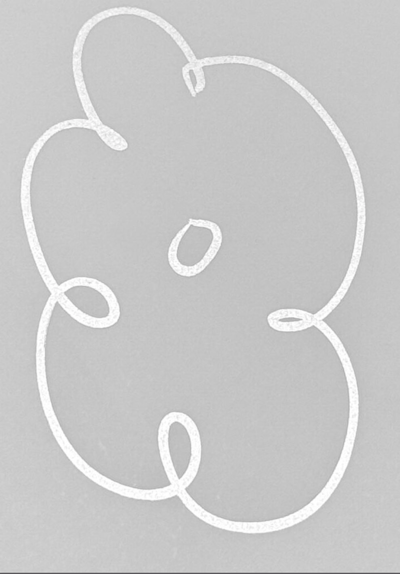
Jeff Koons
Untitled (flower), 1993
Drawing / Watercolor
Ink
GBP 35,000 - 45,000
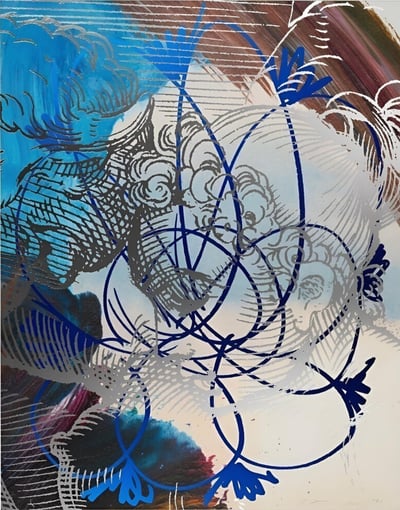
Jeff Koons
Carracci Flower, 2021
Limited Edition Print
Pigment print
GBP 14,000 - 16,000
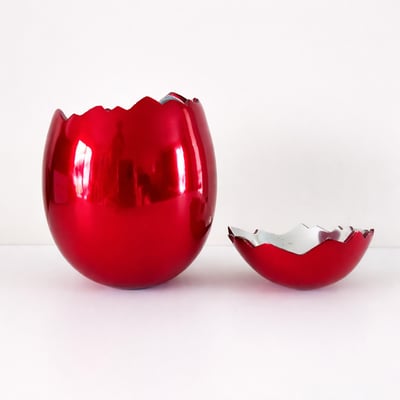
Jeff Koons
Cracked Egg (Red), 2008
Sculpture / Object
Metal
USD 3,200
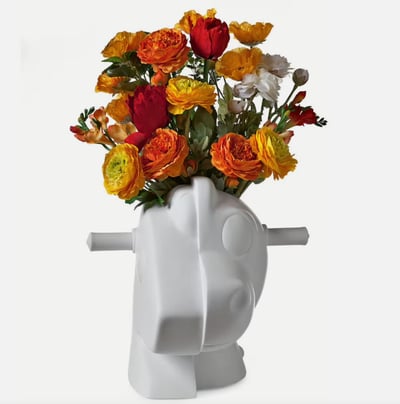
Jeff Koons
Split-Rocker (Vase), 2012
Sculpture / Object
Porcelain
EUR 3,000
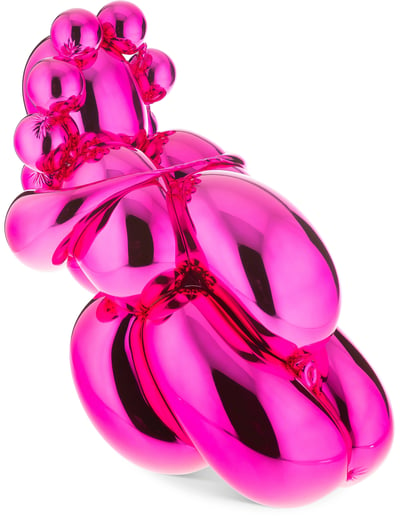
Jeff Koons
Balloon Venus Dom Perignon, 2013
Sculpture / Object
Resin
USD 50,000 - 70,000
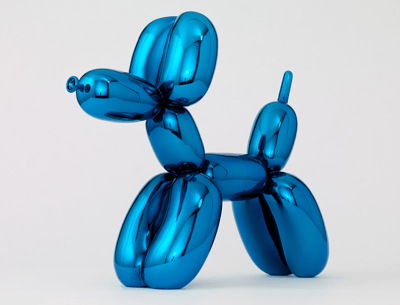
Jeff Koons
Balloon Dog (Blue), 2021
Sculpture / Object
Porcelain
Inquire For Price

Jeff Koons
Diamond (Red), 2020
Sculpture / Object
Mixed Media
EUR 10,200
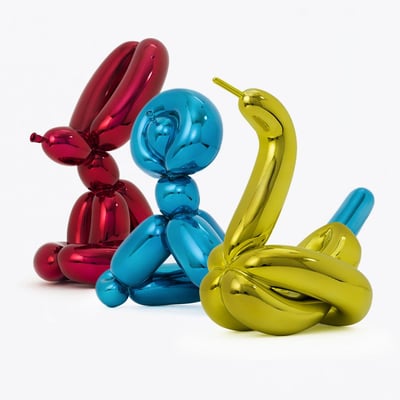
Jeff Koons
Balloon Animals, Set I, 2017
Sculpture / Object
Porcelain
EUR 45,000
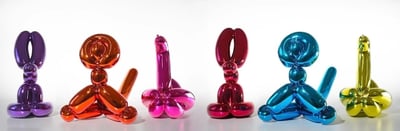
Jeff Koons
Balloon Animals (Collector´s Set), 2017-2019
Sculpture / Object
Porcelain
EUR 95,000

Jeff Koons
Balloon Monkey (Orange), 2019
Sculpture / Object
Porcelain
USD 12,000

Jeff Koons
Balloon Monkey (Blue), 2017
Sculpture / Object
Porcelain
USD 12,000

Jeff Koons
Balloon Swan (Yellow), 2017
Sculpture / Object
Porcelain
EUR 14,000
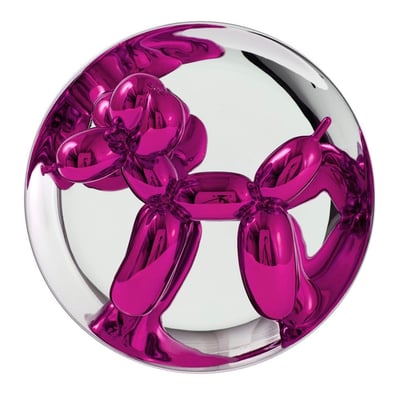
Jeff Koons
Balloon Dog (Magenta), 2015
Sculpture / Object
Porcelain
EUR 8,500
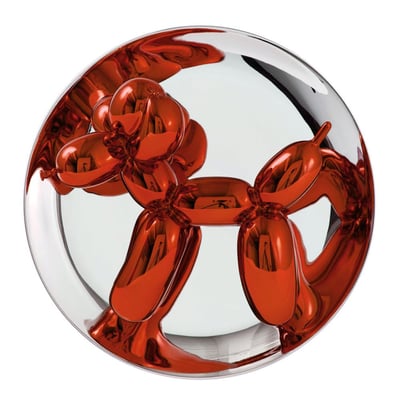
Jeff Koons
Balloon Dog (Orange), 2015
Sculpture / Object
Porcelain
EUR 9,000
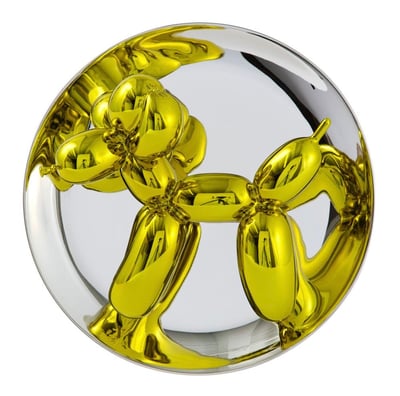
Jeff Koons
Balloon Dog (Yellow), 2015
Sculpture / Object
Porcelain
EUR 9,000
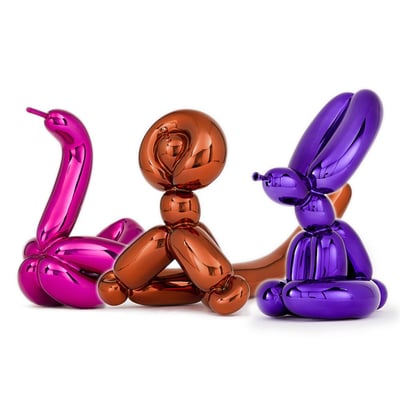
Jeff Koons
Balloon Animals, Set II, 2019
Sculpture / Object
Porcelain
EUR 38,000

Jeff Koons
Blue Balloon Dog, 2002
Sculpture / Object
Porcelain
USD 17,750

Jeff Koons
Red Balloon Dog, 1995
Sculpture / Object
Porcelain
USD 21,200
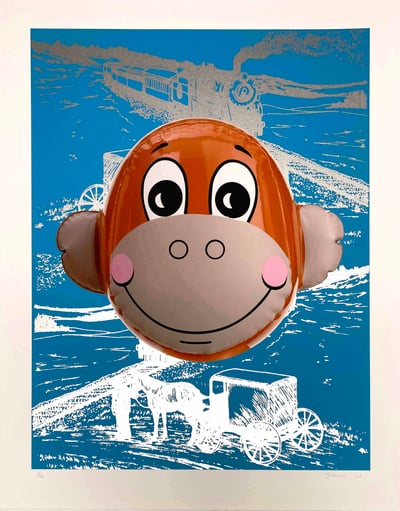
Jeff Koons
Monkey Train (Blue), 2007
Limited Edition Print
Silkscreen
USD 30,000 - 40,000
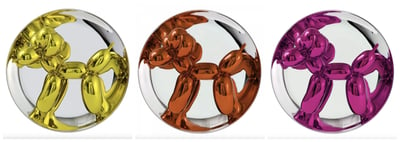
Jeff Koons
Ballon Dogs - set of 3, 2015 -2017
Sculpture / Object
Porcelain
USD 30,000 - 40,000

Jeff Koons
Balloon Rabbit (Red), 2017
Sculpture / Object
Porcelain
EUR 20,000 - 30,000
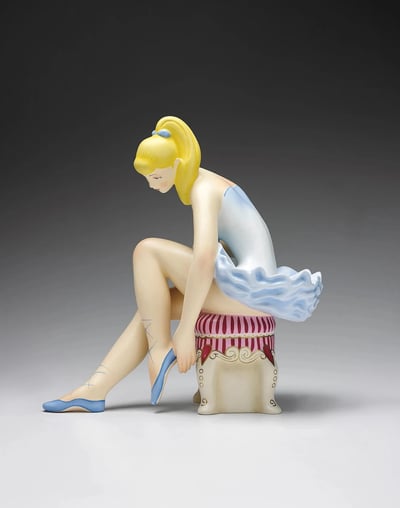
Jeff Koons
Seated Ballerina, 2015
Sculpture / Object
Wood
EUR 85,000 - 100,000

Jeff Koons
Diamond (Blue), 2023
Sculpture / Object
Porcelain
USD 16,500
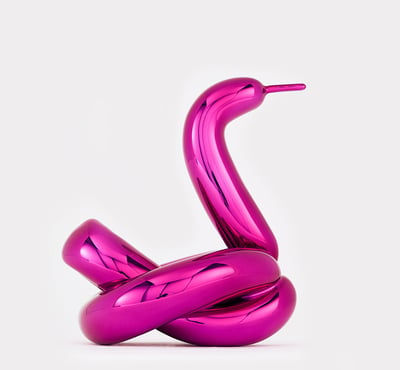
Jeff Koons
Balloon Swan (Magenta), 2019
Sculpture / Object
Porcelain
USD 11,900

Jeff Koons
Balloon Rabbit (Violet), 2019
Sculpture / Object
Mixed Media
USD 11,900

Jeff Koons
Dolphin Saddle, 2009
Limited Edition Print
Lithograph
GBP 10,700

Jeff Koons
Fisherman Golfer, 1986
Limited Edition Print
Lithograph
Artwork On Hold
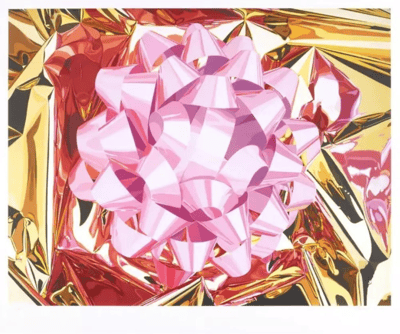
Jeff Koons
Pink Bow - Celebration series, 2013
Limited Edition Print
Inkjet print
Currently Not Available

Jeff Koons
Loopy, 2000
Limited Edition Print
Digital Print on paper
Currently Not Available
Related Artists

What is Hyper-realism?
Hyperrealism is a genre of sculpture and painting that closely resembles high-resolution photographs. It is an evolution of Photorealism and is often applied to an independent art style or movement that became prominent in Europe and the United States in the early 2000s. Hyperrealist artists focus on extreme detail and precision, creating works that are often indistinguishable from real-life images.


Jeff Koons
Monkey Train (Blue), 2007
83.8 x 66 cm


