

The Hand-Colored Viennese Hearts II, 1990
Form
Medium
Size
- Inches
- Centimeters
Edition
Price
- Authenticity Guaranteed
- Insured Shipping
- Online Since 2005
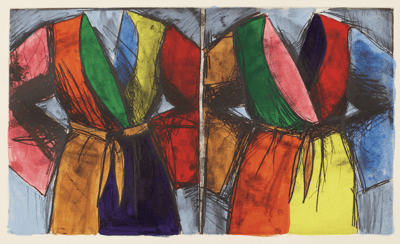
Jim Dine
Jumps Out at You, No?, 1993
Limited Edition Print
Etching
USD 14,000 - 16,000

Jim Dine
Nine Views of Winter 2, 1985
Limited Edition Print
Woodcut
USD 5,000
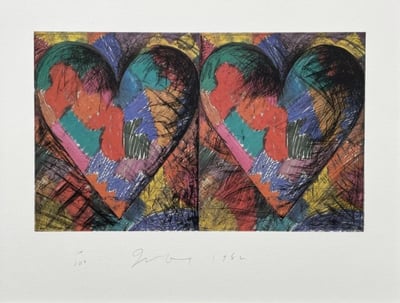
Jim Dine
Louisiana Hearts, 1982
Limited Edition Print
Mixed Media
USD 4,500
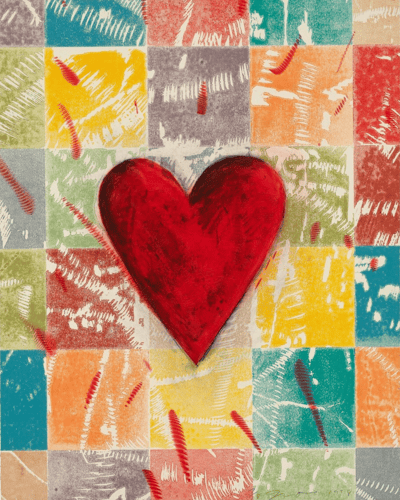
Jim Dine
Dynamite, 1998
Limited Edition Print
Mixed Media
USD 6,000

Jim Dine
Double Venus Woodcut II, 1984
Limited Edition Print
Woodcut
USD 3,060

Jim Dine
Left Panel, from The Three Sydney Close Woodcuts, 1983
Limited Edition Print
Woodcut
Inquire For Price

Jim Dine
Untitled (from the Dutch Hearts), 1970
Limited Edition Print
Collage
Inquire For Price

Jim Dine
Imogen I (from Complete Graphics), 1969
Limited Edition Print
Screen-print
USD 1,950

Jim Dine
Imogen II (from Complete Graphics), 1969
Limited Edition Print
Screen-print
USD 1,950

Jim Dine
Imogen III (from Complete Graphics), 1969
Limited Edition Print
Screen-print
USD 1,950
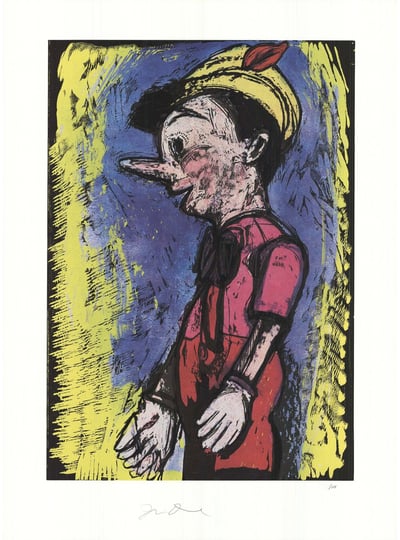
Jim Dine
Pinocchio (Lincoln Center), 2008
Limited Edition Print
Mixed Media
USD 5,000 - 8,000
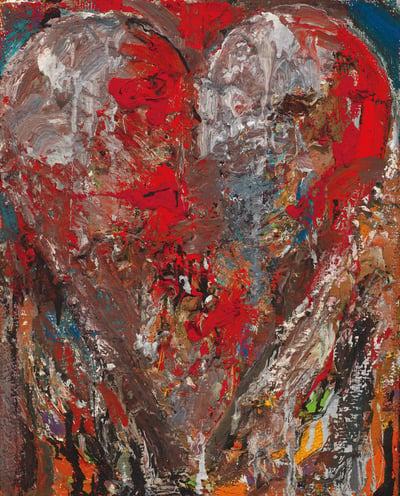
Jim Dine
Cadmium Red medium, 2021
Painting
Mixed Media
Inquire For Price
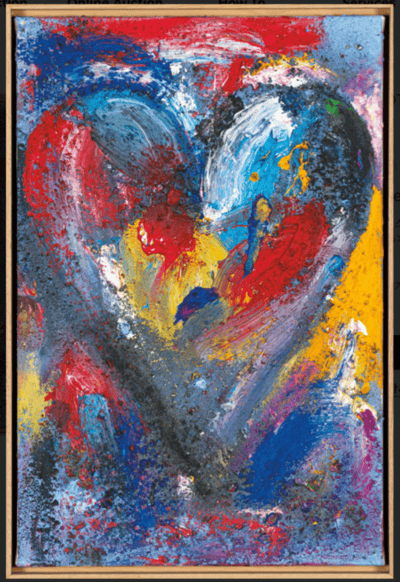
Jim Dine
Tomato Pan, 2022
Painting
Acrylic on canvas
Inquire For Price

Jim Dine
Red Design for Satin Heart, Red
Limited Edition Print
Etching
Inquire For Price
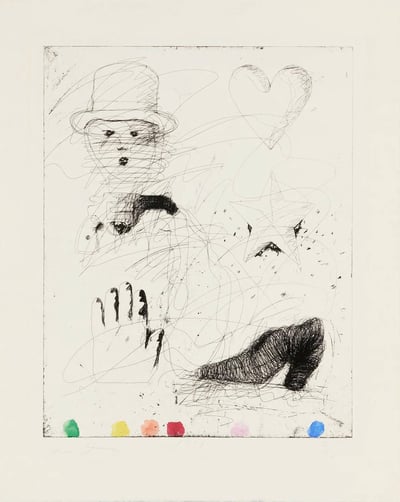
Jim Dine
The Realistic Poet Assassinated, 1970 / 1971
Limited Edition Print
Etching
Inquire For Price

Jim Dine
Rose in Bloom, 2023
Limited Edition Print
Mixed Media
USD 14,700

Jim Dine
A Double Feature, 1983
Limited Edition Print
Mixed Media
USD 4,690
Jim Dine
Private Listing
Drawing / Watercolor
request info

Jim Dine
Albertina Venus, 1989
Limited Edition Print
Etching and Aquatint
USD 3,625

Jim Dine
The Hand-Colored Viennese Hearts III, 1990
Limited Edition Print
Mixed Media
USD 10,800

Jim Dine
The Magnets, 2010
Limited Edition Print
Collage
USD 18,700
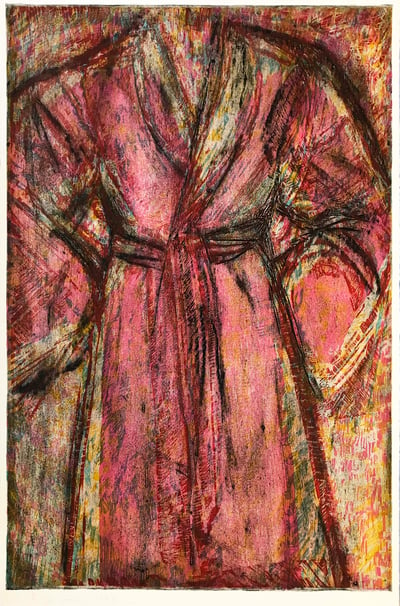
Jim Dine
Rosy Robe, 1998
Limited Edition Print
Woodcut
USD 20,700

Jim Dine
Jam and Jelly, 2000
Limited Edition Print
Mixed Media
USD 16,500

Jim Dine
Chartres - Second Version, 2015
Limited Edition Print
Mixed Media
USD 20,000 - 30,000

Jim Dine
The Red Patch, 2005
Limited Edition Print
Lithograph
USD 18,900

Jim Dine
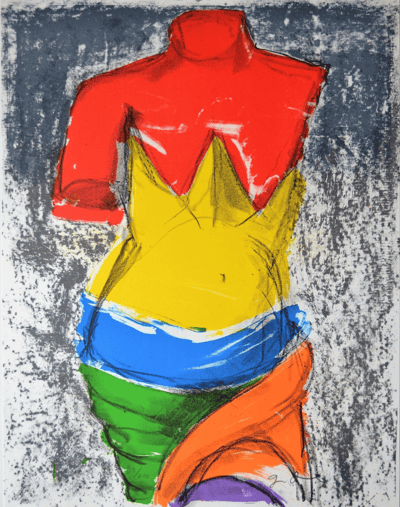
The Big One, 2011
Limited Edition Print
Mixed Media
USD 21,000
Jim Dine
The Bather, 2005
Limited Edition Print
Lithograph
USD 4,300

Jim Dine
Dexter's Four Robes, 1992
Limited Edition Print
Woodcut
USD 10,700

Jim Dine
Yesteryear, 2015
Limited Edition Print
Mixed Media
USD 21,000

Jim Dine
Black Ink Robe, 2005
Limited Edition Print
Mixed Media
USD 4,850

Jim Dine
Years Ago, 2015
Limited Edition Print
Mixed Media
USD 16,600
Jim Dine
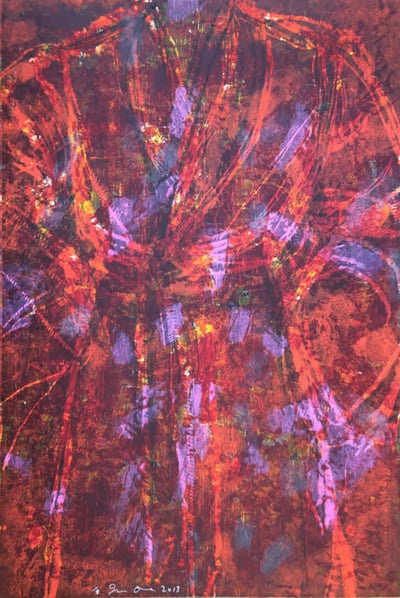
Transparent Grey Robe, 2013
Limited Edition Print
Mixed Media
USD 21,000

Jim Dine
The Hand-Colored Viennese Hearts I, 1990
Limited Edition Print
Mixed Media
USD 11,300
Jim Dine
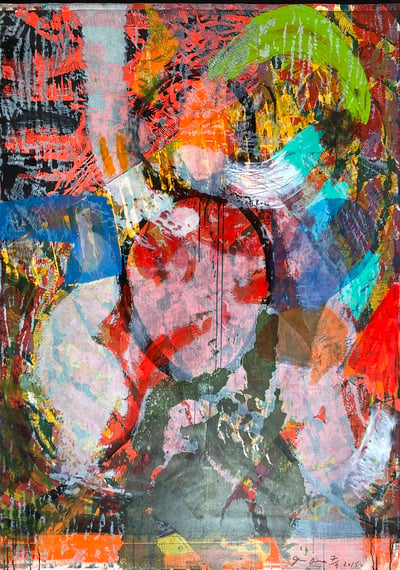
Million Kisses Poem, 2015
Limited Edition Print
Mixed Media
USD 17,500

Jim Dine
Two Florida Bathrobes, 1986
Limited Edition Print
Mixed Media
USD 15,950
Jim Dine
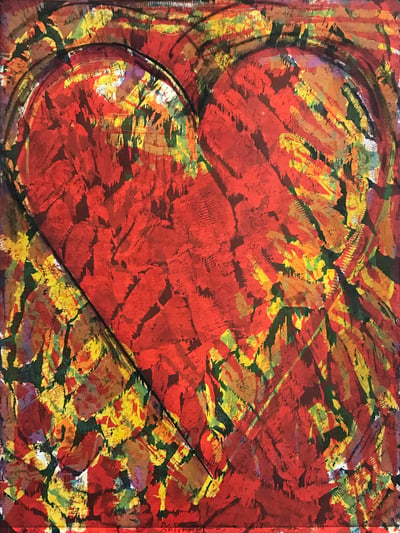
The New Building, 2013
Limited Edition Print
Mixed Media
USD 17,750
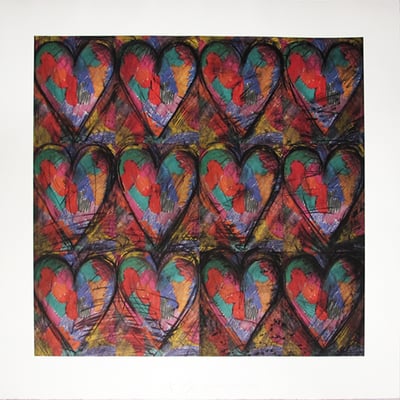
Jim Dine
The Memory, 2014
Limited Edition Print
Mixed Media
USD 21,000
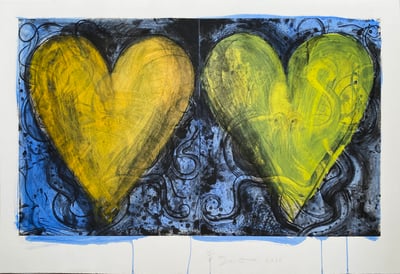
Jim Dine
The Octopus, 2015
Limited Edition Print
Woodcut
USD 17,770

Jim Dine
Radiant Landscape, 2015
Limited Edition Print
Mixed Media
USD 17,750
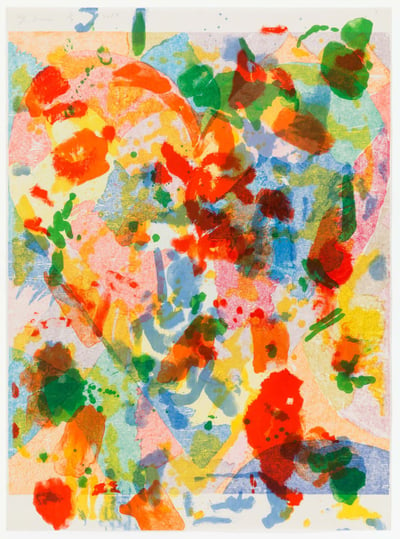
Jim Dine
Poem on Main Street, 2017
Limited Edition Print
Lithograph
USD 19,950
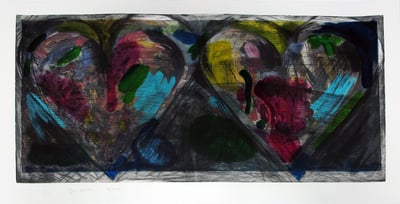
Jim Dine
Blue Points, 2014
Limited Edition Print
Mixed Media
USD 15,300

Jim Dine
The Yellow Belt, 2005
Limited Edition Print
Mixed Media
USD 6,500
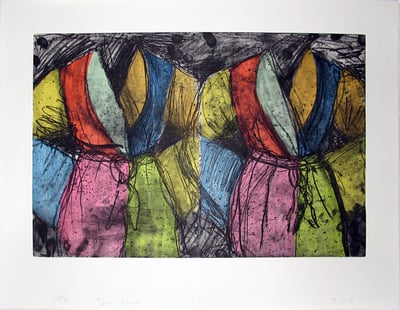
Jim Dine
The Soft Ground, 2014
Limited Edition Print
Mixed Media
USD 12,950
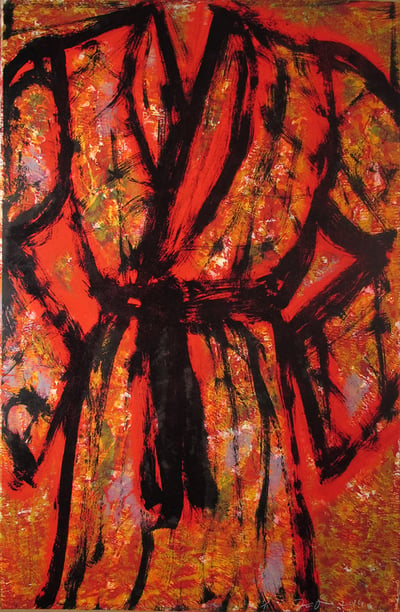
Jim Dine
Zein Robe, 2014
Limited Edition Print
Lithograph
USD 21,000
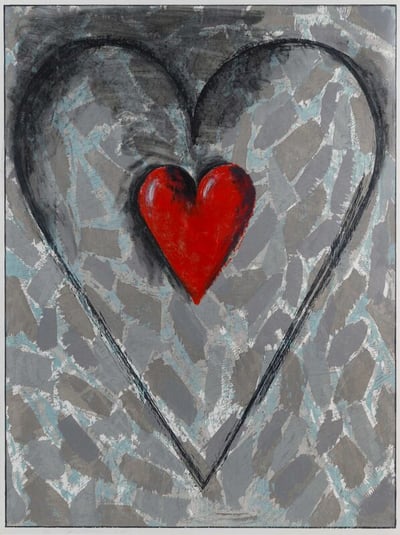
Jim Dine
Gray Fort, 2003
Limited Edition Print
Mixed Media
USD 20,000 - 30,000
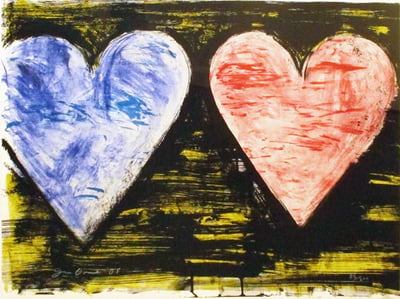
Jim Dine
Two Hearts at Sunset, 2005
Limited Edition Print
Lithograph
USD 4,450

Jim Dine
Nancy Outside in July , 1980
Limited Edition Print
Mixed Media
EUR 5,450

Jim Dine
Untitled - Artist Palette with Heart in Red, 1986
Sculpture / Object
Mixed Media
Inquire For Price

Jim Dine
Dorian Gray in Multi Rainbow Scarf, 1968
Limited Edition Print
Lithograph
USD 1,250

Jim Dine
Hose Lamp, 1968
Limited Edition Print
Lithograph
Inquire For Price
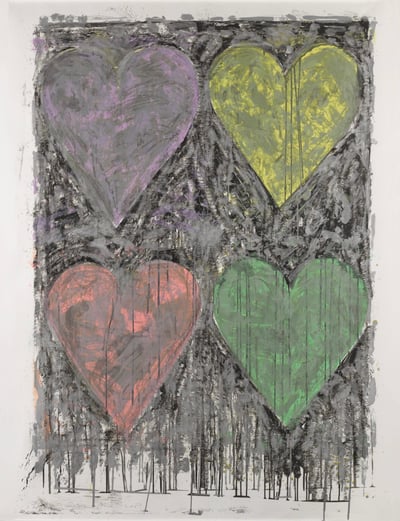
Jim Dine
Four Hearts in Silver, 2007
Limited Edition Print
Mixed Media
USD 11,000
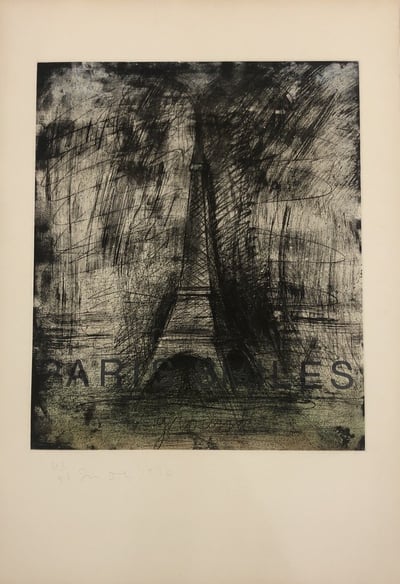
Jim Dine
Paris Smiles in Darkness, 1976
Limited Edition Print
Etching
EUR 4,500

Jim Dine
Dutch hearts, 1970
Limited Edition Print
Mixed Media
EUR 1,875

Jim Dine
Tool Box V, 1966
Limited Edition Print
Screen-print
USD 1,350

Jim Dine
Tool Box VII, 1966
Limited Edition Print
Screen-print
USD 1,350

Jim Dine
Untitled from Pinocchio Suite (wolf and a cat), 2005
Limited Edition Print
Lithograph
Inquire For Price
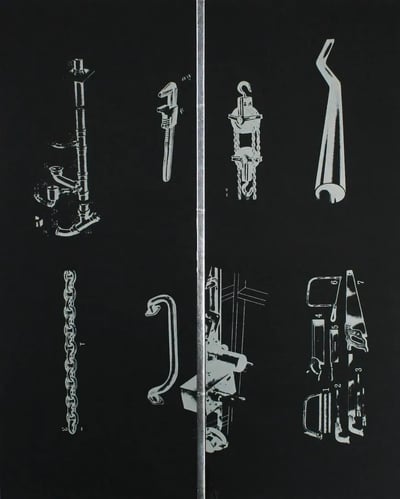
Jim Dine
Tool Box IX, 1966
Limited Edition Print
Screen-print
USD 1,350
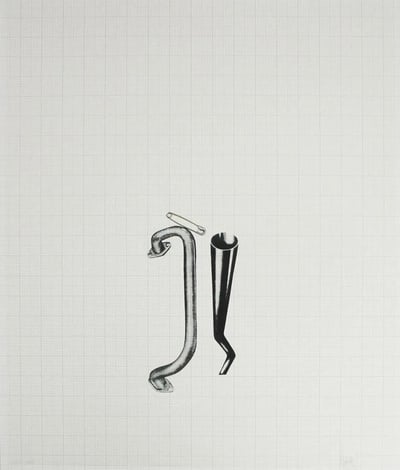
Jim Dine
Tool Box X, 1966
Limited Edition Print
Screen-print
USD 1,350

Jim Dine
Untitled from Pinocchio Suite, 2005
Limited Edition Print
Lithograph
USD 2,550
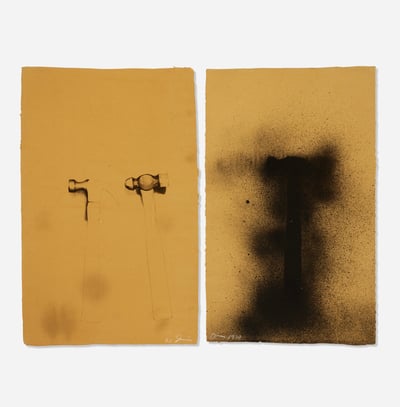
Jim Dine
Hammers diptych, 1970
Limited Edition Print
Lithograph
Inquire For Price

Jim Dine
Tool Box II, 1966
Limited Edition Print
Screen-print
USD 1,350
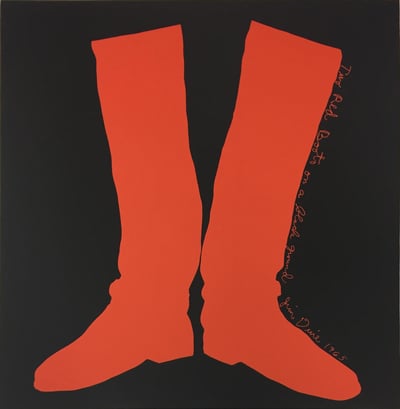
Jim Dine
Two Red Boots on a Black Ground, 1968
Limited Edition Print
Silkscreen
USD 1,350

Jim Dine
The Red Talisman, 2018
Limited Edition Print
Mixed Media
USD 12,850
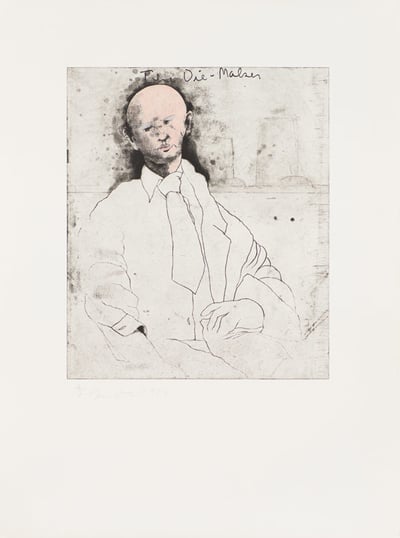
Jim Dine
Die-Maker, 1976
Limited Edition Print
Etching
USD 1,575

Jim Dine
A Night Woodcut, 1982
Limited Edition Print
Woodcut
Inquire For Price

Jim Dine
The New Year's Tree, 1985
Limited Edition Print
Lithograph
USD 2,500
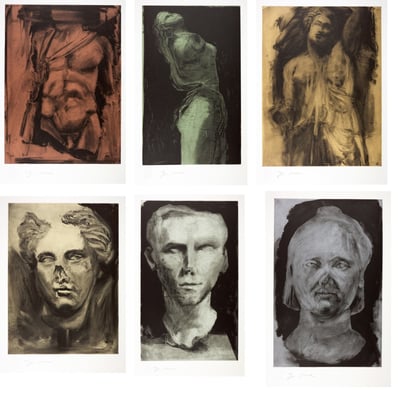
Jim Dine
Glyptotek (set of 6 works), 1988
Limited Edition Print
Mixed Media
Inquire For Price
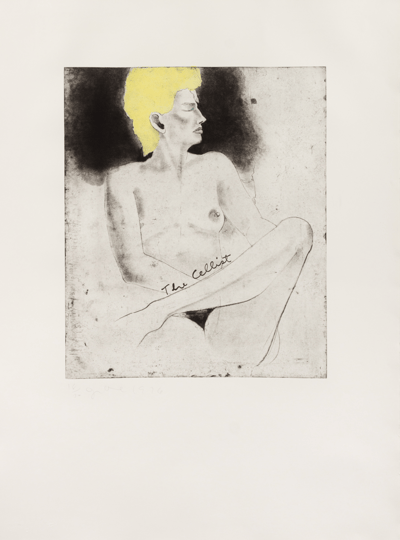
Jim Dine
The Cellist, 1976
Limited Edition Print
Etching
USD 1,650

Jim Dine
12' Saddle Bench for Basil's Studio, 1968
Limited Edition Print
Lithograph
Inquire For Price

Jim Dine
Dorian Gray in Multi-Colored Vinyl Stripe Cape, 1968
Limited Edition Print
Lithograph
USD 1,430

Jim Dine
Tree Lamp, 1968
Limited Edition Print
Lithograph
Inquire For Price

Jim Dine
Study for the Rings on Dorian Gray's Hand, 1968
Limited Edition Print
Lithograph
USD 1,990
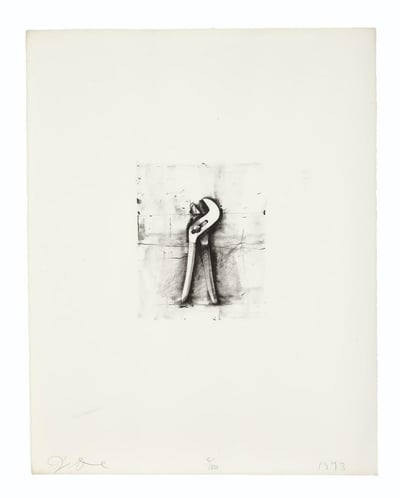
Jim Dine
Adjustable Wrench, 1973
Limited Edition Print
Lithograph
USD 1,990

Jim Dine
Spoon, 1973
Limited Edition Print
Lithograph
USD 1,990

Jim Dine
Awl, 1973
Limited Edition Print
Lithograph
Inquire For Price
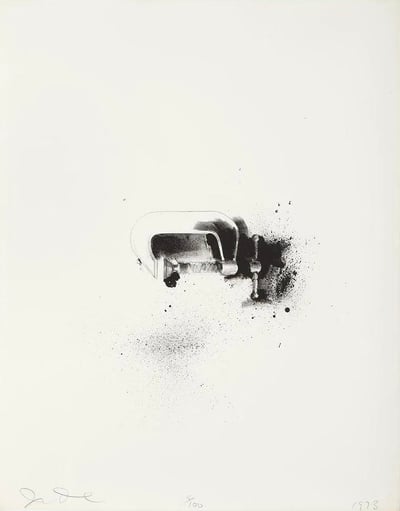
Jim Dine
C-Clamp, 1973
Limited Edition Print
Lithograph
Inquire For Price

Jim Dine
Pliers and Adjustable Wrench, 1973
Limited Edition Print
Lithograph
Inquire For Price

Jim Dine
The Robe goes to Town, 1983
Limited Edition Print
Mixed Media
USD 4,850
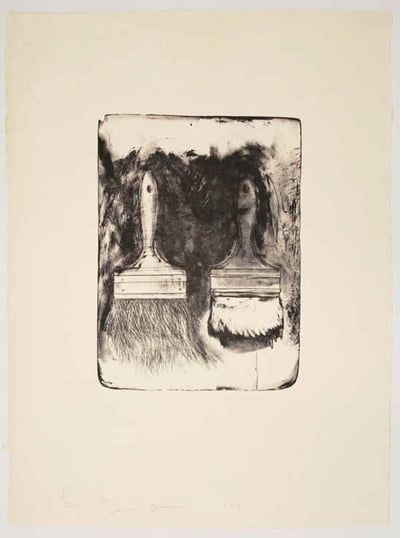
Jim Dine
Brush Drawn on Stones #5, 2010
Limited Edition Print
Lithograph
USD 4,000
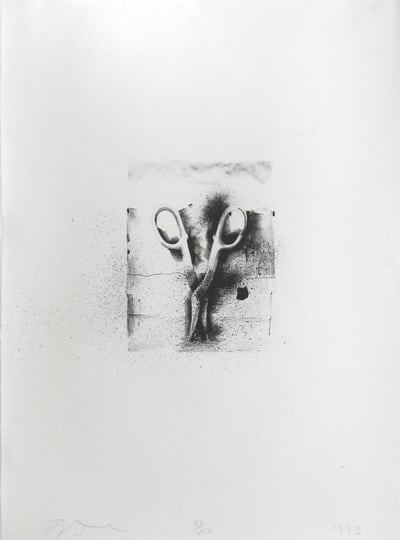
Jim Dine
Aus, 1973
Limited Edition Print
Lithograph
Inquire For Price

Jim Dine
A heart at the Opera, 1983
Limited Edition Print
Lithograph
EUR 2,100

Jim Dine
Picabia III (Groans), 1971
Limited Edition Print
Lithograph
USD 10,000

Jim Dine
Nine Views of Winter, 1985
Limited Edition Print
Woodcut
USD 24,950

Jim Dine
Palette III, 1969
Limited Edition Print
Etching
Inquire For Price

Jim Dine
ABC, 1970
Limited Edition Print
Lithograph
Inquire For Price

Jim Dine
Olympic Robe , 1988
Limited Edition Print
Lithograph
USD 7,500

Jim Dine
Peoria, 1970
Limited Edition Print
Lithograph
EUR 1,900

Jim Dine
Orgasm, 1970
Limited Edition Print
Lithograph
EUR 1,900

Jim Dine
Brushes Drawn on Stone #2, 2010
Limited Edition Print
Lithograph
USD 4,000

Jim Dine
Hart in Blue, 1995
Limited Edition Print
Mixed Media
Currently Not Available

Jim Dine
Blue Vienna, 2013
Limited Edition Print
Mixed Media
Currently Not Available
Available works by Jim Dine
See all →Jim Dine
Jumps Out at You, No?, 1993
Limited Edition Print
Etching
USD 14,000 - 16,000
Jim Dine
Nine Views of Winter 2, 1985
Limited Edition Print
Woodcut
USD 5,000
Jim Dine
Louisiana Hearts, 1982
Limited Edition Print
Mixed Media
USD 4,500
Jim Dine
Dynamite, 1998
Limited Edition Print
Mixed Media
USD 6,000
Jim Dine
Double Venus Woodcut II, 1984
Limited Edition Print
Woodcut
USD 3,060
Jim Dine
Left Panel, from The Three Sydney Close Woodcuts, 1983
Limited Edition Print
Woodcut
Inquire For Price
Related Artists

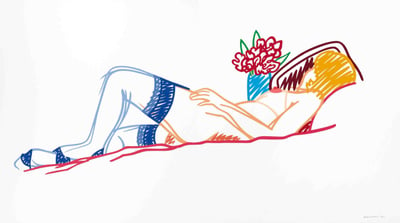


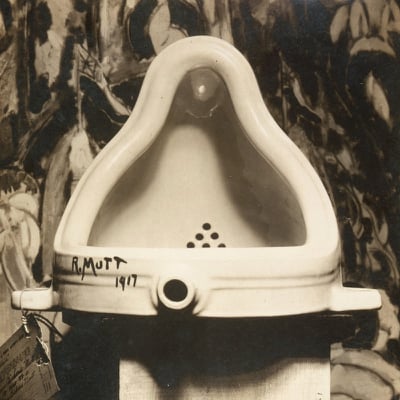
What is Found Object?
A found object is a term used to describe a man-made or natural object, or a fragment of one, that an artist discovers or purchases and keeps for inspiration or as a work of art. The artist may also modify the object or incorporate it into a collage or assemblage, transforming it into a new piece of art.


