
What is Happening?
- Show All
- Established
- Discoveries
- Show All
Artworks Related to Happening
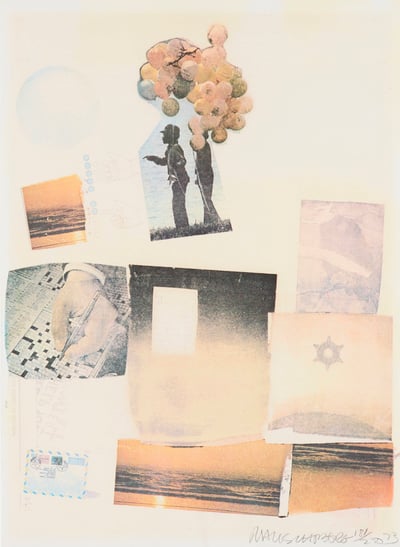
Robert Rauschenberg
Support, 1973
Limited Edition Print
Screen-print
Inquire For Price
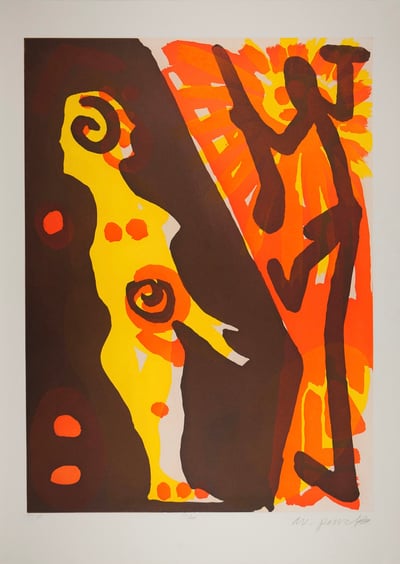
A.R. Penck
Serie I Rächer, 1991
Limited Edition Print
Etching and Aquatint
EUR 2,800
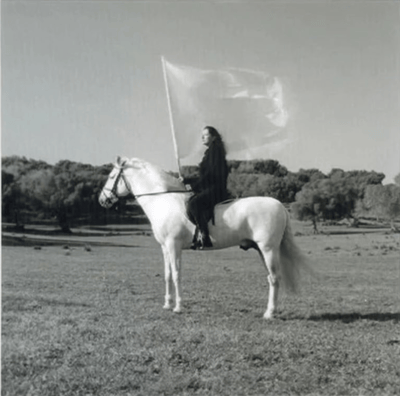
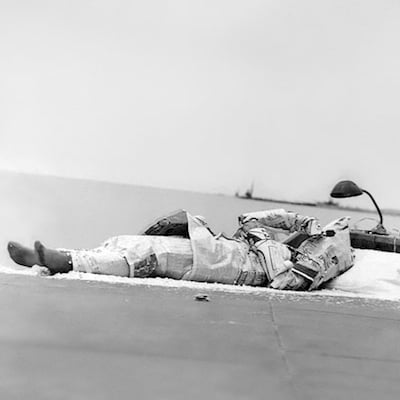
Marina Abramovic
The Hero, 2022
Photography
Mixed Media
Inquire For Price
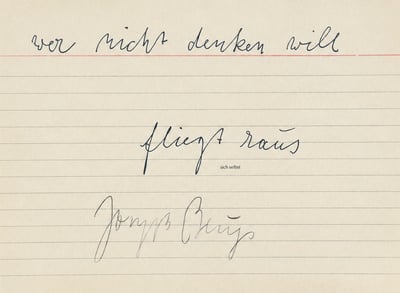
Joseph Beuys
Sich selbst (wer nicht denken will fliegt raus), 1977
Drawing / Watercolor
Mixed Media
EUR 700

Joseph Beuys
Eine Rose für direkte Demokratie, 1968
Sculpture / Object
Mixed Media
EUR 2,800

Joseph Beuys
Ja Ja Ja Ja Nee Nee Nee, 1970
Sculpture / Object
Mixed Media
EUR 2,500
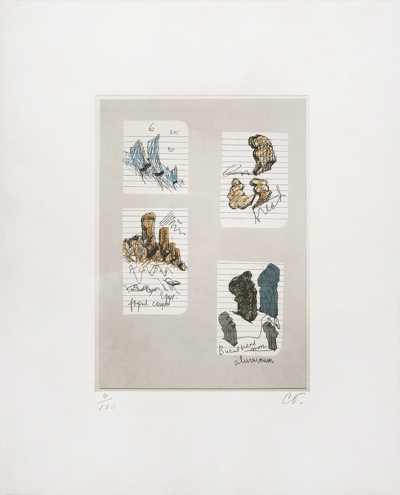
Claes Oldenburg
Notes in Hand, from the Notes in Hand Portfolio, 1972
Limited Edition Print
Offset Print
EUR 2,000
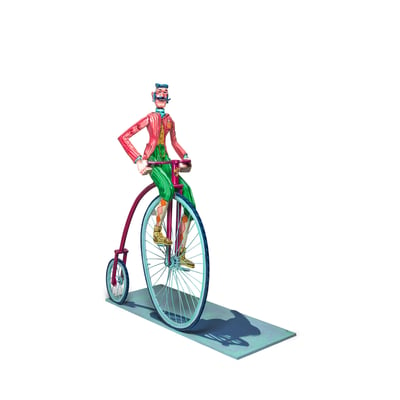
Red Grooms
Bicyclist, 1999
Sculpture / Object
Metal
Inquire For Price
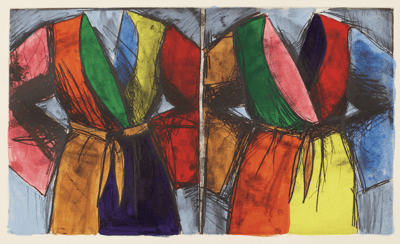
Jim Dine
Jumps Out at You, No?, 1993
Limited Edition Print
Etching
USD 14,000 - 16,000

Claes Oldenburg
Proposal for a Colossal Structure in the Form of a Clothespin-Compared to Brancusi's Kiss, 1972
Limited Edition Print
Screen-print
Inquire For Price

Jim Dine
Nine Views of Winter 2, 1985
Limited Edition Print
Woodcut
USD 5,000

Red Grooms
Untitled from The New York Collection for Stockholm, 1973
Limited Edition Print
Screen-print
GBP 1,140

Claes Oldenburg
M.Mouse (with) 1 Ear (equals) Tea Bag Blackboard Version, 1973
Limited Edition Print
Mixed Media
GBP 2,220
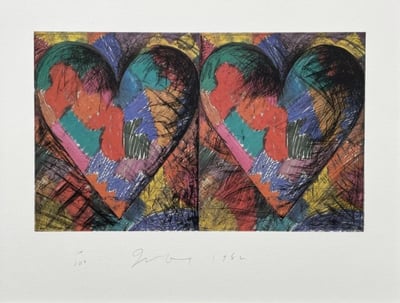
Jim Dine
Louisiana Hearts, 1982
Limited Edition Print
Mixed Media
USD 4,500
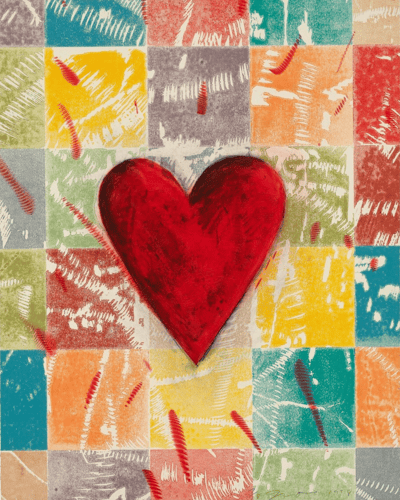
Jim Dine
Dynamite, 1998
Limited Edition Print
Mixed Media
USD 6,000
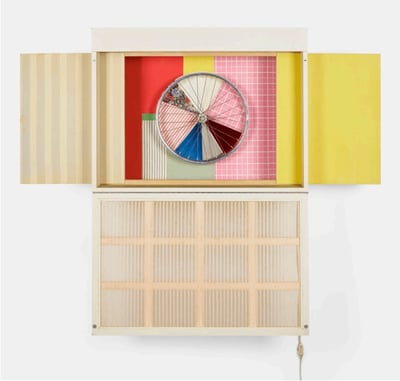
Robert Rauschenberg
Publicon Station IV, 1978
Sculpture / Object
Mixed Media
USD 34,000 - 50,000
Related Articles
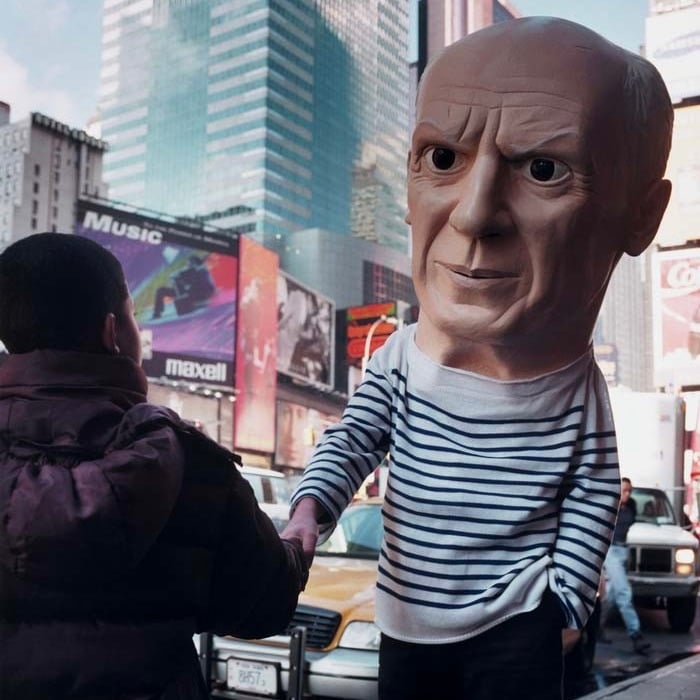
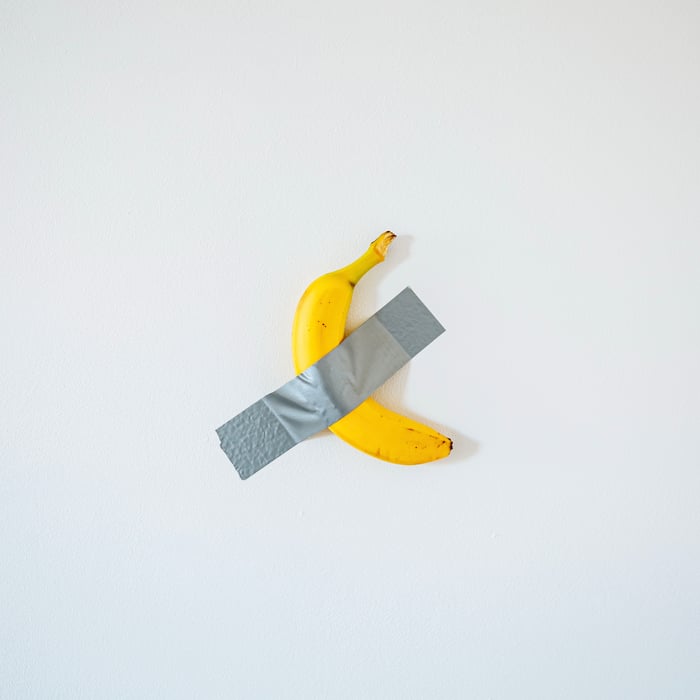
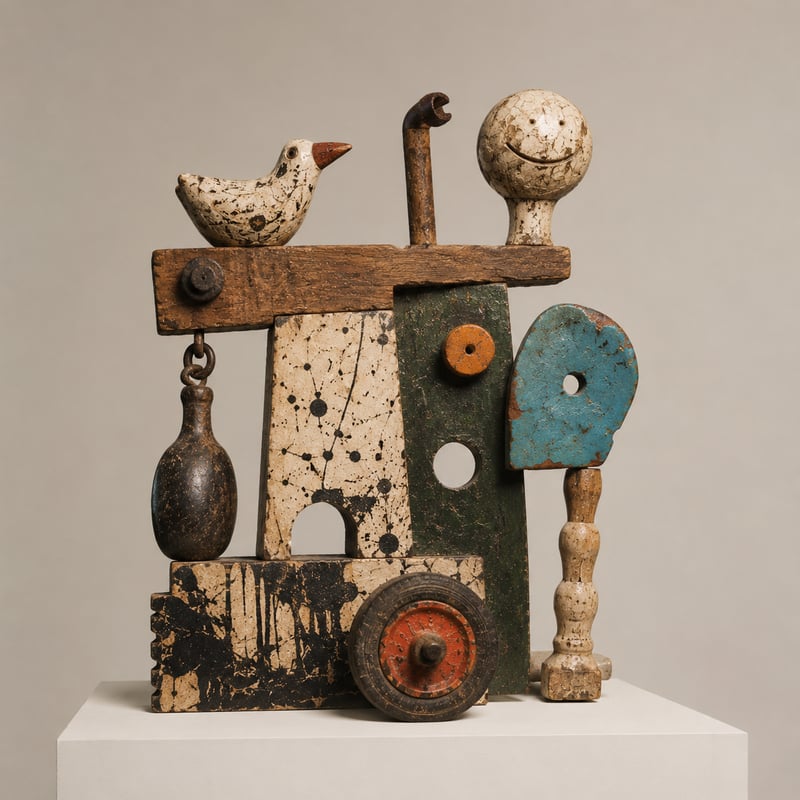
In the 1960s, Funk Art emerged as a reactive movement against Abstract Expressionism. It was widely known as an anti-establishment movement, with the name derived from the jazz term funky. This term carried both positive and negative connotations: in the jazz world, it described passion, quirkiness, and sensuality, but it could also refer to a foul odor. Funk Art was particularly popular in the California Bay Area. While the artists of the Funk Art era shared similar attitudes and styles, they did not see themselves as part of a formal group or movement.

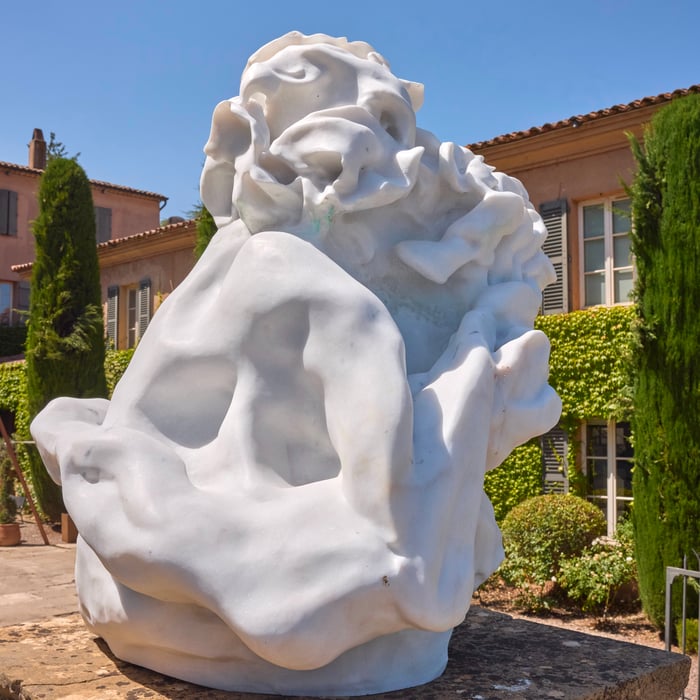
Clay is a natural material formed when rocks break down over time due to weathering. Water carries the fine particles of earth, which accumulate as a soft, sticky substance called muck. This muck is collected, cleaned, and refined by removing impurities like rocks and adding sand to improve its texture, resulting in usable clay.
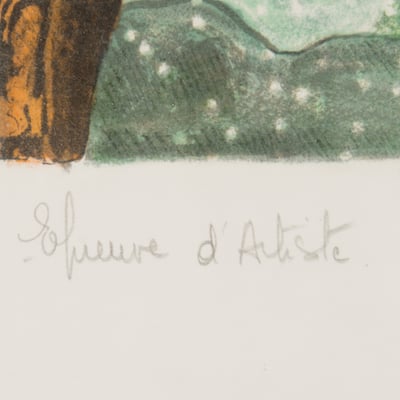
Épreuve d'Artist refers to the artist's proofs in a limited edition of prints. These are a small number of prints reserved by the artist for personal use and are typically marked with the abbreviation E.A. (épreuve d'artist) or AP (artist's proof). Artist’s proofs are usually identical to the regular edition but are often considered more valuable due to their limited quantity.
Can't find your Answer?
Thank you! Your question has been sent — we'll get back to you shortly.
