


Rose in a graduated glass cylinder, with an inscription. Titled on the glass and with a stamped signature. With a certificate on printed letter paper, signed and numbered by Beuys. Bibliography: J. Schellmann, Joseph Beuys, the Multiples, 1965-1986, ill. p. 71.
This poetic multiple by Joseph Beuys presents a single red rose placed within a graduated laboratory glass cylinder, transforming a simple scientific vessel into a symbol of democratic aspiration. Created in 1968 during a period of intense political activism, the work belongs to Beuys's broader practice of using everyday materials to challenge conventional boundaries between art and life. The glass bears the title inscription and stamped signature, accompanied by a certificate on printed letterhead signed and numbered by the artist.
Artwork Copyright © Joseph BeuysJoseph Beuys (Germany, 1921–1986) was a groundbreaking German conceptual artist, sculptor, and performance artist. Known for his use of unconventional materials such as felt and fat, Beuys explored themes of humanism, ecology, and social change. His famous mantra, 'Everyone is an artist,' emphasized creativity as a universal force. A leader in Fluxus, his works remain profoundly influential.
Artwork Copyright © Joseph BeuysEine Rose für direkte Demokratie, 1968
Form
Medium
Size
- Inches
- Centimeters
Edition
Price
- USD
- EUR
- GBP
- CHF
- Authenticity Guaranteed
- Insured Shipping
- Online Since 2005
●Inventory 17289
●Stamp signed
●Comes with gallery invoice and certificate
●Sell Us a Similar Artwork. Learn more.
Rose in a graduated glass cylinder, with an inscription. Titled on the glass and with a stamped signature. With a certificate on printed letter paper, signed and numbered by Beuys. Bibliography: J. Schellmann, Joseph Beuys, the Multiples, 1965-1986, ill. p. 71.
This poetic multiple by Joseph Beuys presents a single red rose placed within a graduated laboratory glass cylinder, transforming a simple scientific vessel into a symbol of democratic aspiration. Created in 1968 during a period of intense political activism, the work belongs to Beuys's broader practice of using everyday materials to challenge conventional boundaries between art and life. The glass bears the title inscription and stamped signature, accompanied by a certificate on printed letterhead signed and numbered by the artist.
Artwork Copyright © Joseph BeuysJoseph Beuys (Germany, 1921–1986) was a groundbreaking German conceptual artist, sculptor, and performance artist. Known for his use of unconventional materials such as felt and fat, Beuys explored themes of humanism, ecology, and social change. His famous mantra, 'Everyone is an artist,' emphasized creativity as a universal force. A leader in Fluxus, his works remain profoundly influential.
Artwork Copyright © Joseph BeuysAvailability
Size
Form
Medium
SORT BY
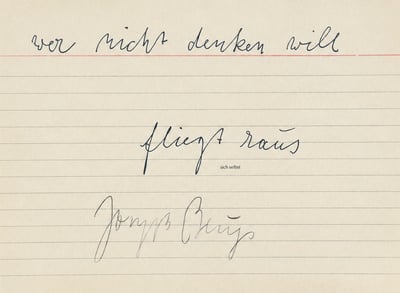
Joseph Beuys
Sich selbst (wer nicht denken will fliegt raus), 1977
Drawing / Watercolor
Mixed Media
EUR 700

Joseph Beuys
Eine Rose für direkte Demokratie, 1968
Sculpture / Object
Mixed Media
EUR 2,800

Joseph Beuys
Ja Ja Ja Ja Nee Nee Nee, 1970
Sculpture / Object
Mixed Media
EUR 2,500

Joseph Beuys
Beuys for Lothar, 1973
Photography
Photograph
EUR 5,500

Joseph Beuys
Wirtschaftspaket, 1984
Sculpture / Object
Mixed Media
EUR 16,600
Related Artists

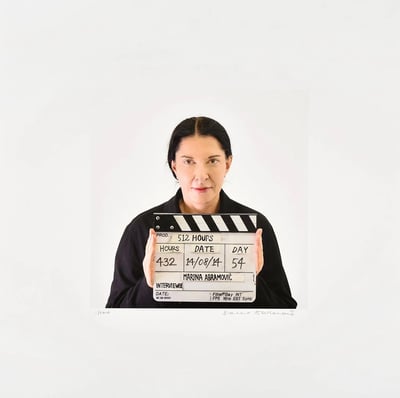
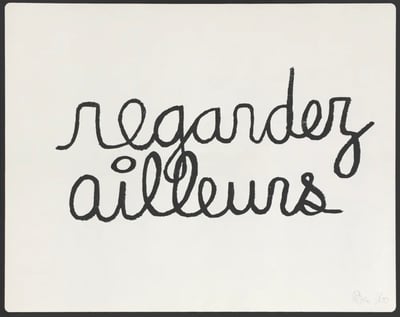
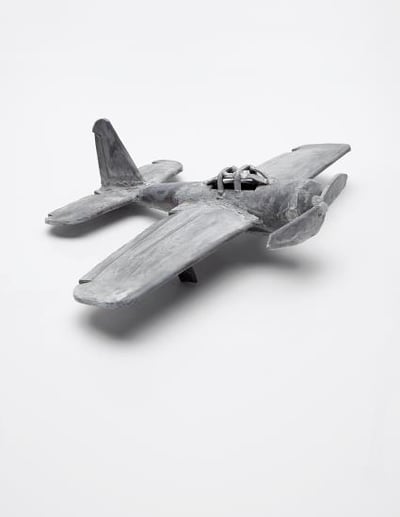

Artwork by Joseph Beuys
What is Fluxus?
Derived from the Latin word meaning flow, Fluxus is an international movement of designers, composers, and artists known for blending various artistic disciplines and media during the 1960s. The movement remains active in visual art, performance, design, architecture, urban planning, and other creative fields. Fluxus is sometimes referred to as nter-media and continues to play a pivotal role in expanding the definitions of what art can be.



