
What is Fluxus?
- Show All
- Established
- Discoveries
- Show All
Artworks Related to Fluxus
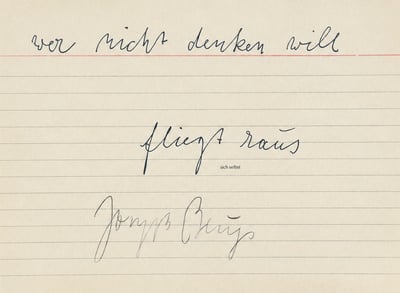
Joseph Beuys
Sich selbst (wer nicht denken will fliegt raus), 1977
Drawing / Watercolor
Mixed Media
EUR 700

Joseph Beuys
Eine Rose für direkte Demokratie, 1968
Sculpture / Object
Mixed Media
EUR 2,800

Joseph Beuys
Ja Ja Ja Ja Nee Nee Nee, 1970
Sculpture / Object
Mixed Media
EUR 2,500

Ben Vautier
De qué tienes miedo?, 2006
Limited Edition Print
Screen-print
EUR 2,500

Ben Vautier
Es difícil amar, 2006
Limited Edition Print
Screen-print
EUR 2,500

Ben Vautier
Estoy inquieto, 2006
Limited Edition Print
Screen-print
EUR 2,500
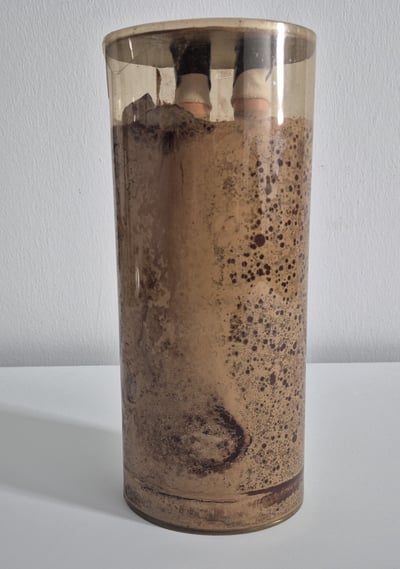
Dieter Roth
Untitled (Puppe in Schokolade), 1969
Sculpture / Object
Mixed Media
EUR 3,600

Yoko Ono
John Lennon - Imagine, 2018
Limited Edition Print
Giclée printing
GBP 1,980
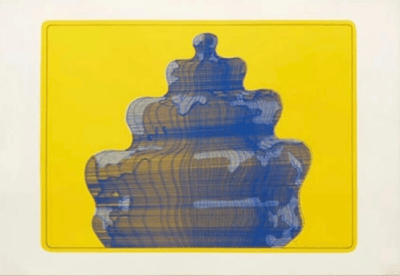
Dieter Roth
Torte in der Sonne (Fancy-Cake in the Sun), 1970
Limited Edition Print
Screen-print
GBP 4,200
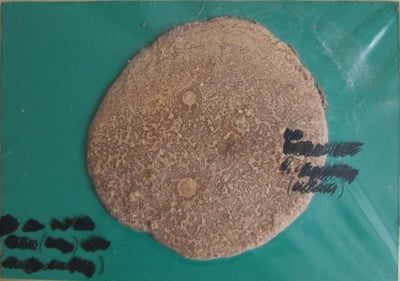
Dieter Roth
Self-portrait, 1969
Limited Edition Print
Mixed Media
EUR 3,000

Dieter Roth
Selbstbildnis als Loch, 1972
Limited Edition Print
Screen-print
EUR 3,100

Dieter Roth
Middle sunset
Limited Edition Print
Mixed Media
EUR 5,400

John Armleder
Gold Fish, 2016
Tapestry
Tapestry
EUR 1,400

John Armleder
Silver Fish, 2016
Tapestry
Tapestry
EUR 1,400

Ben Vautier
Tout est survie , 1994
Painting
Acrylic on canvas
EUR 17,900

Ben Vautier
Regardez ailleurs, c. 1980
Limited Edition Print
Lithograph
EUR 1,750
Related Articles


Clay is a natural material formed when rocks break down over time due to weathering. Water carries the fine particles of earth, which accumulate as a soft, sticky substance called muck. This muck is collected, cleaned, and refined by removing impurities like rocks and adding sand to improve its texture, resulting in usable clay.

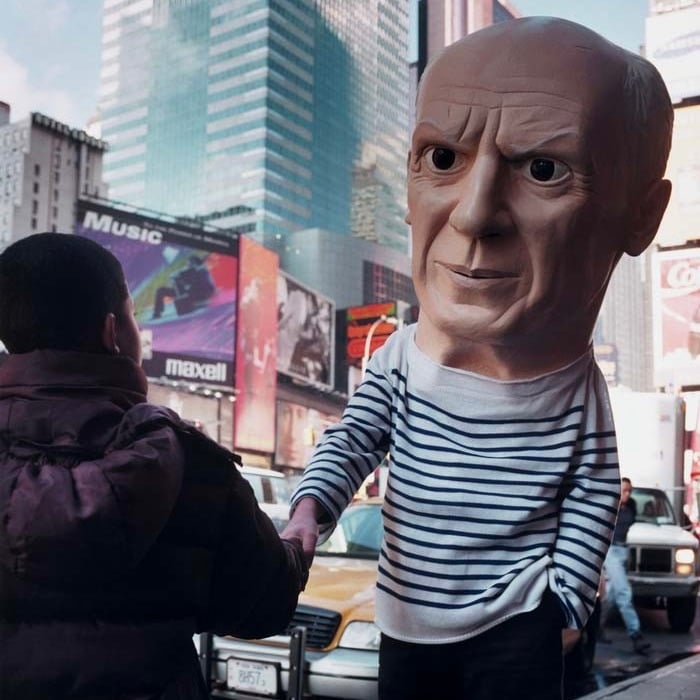
Cubism is an art movement that aimed to depict multiple perspectives of objects or figures within a single picture. Artists Georges Braque and Pablo Picasso pioneered this style around 1907. The name Cubism emerged from their use of geometric shapes and outlines that often resembled cubes, breaking objects down into abstracted forms.

Space Art is an artistic genre that depicts the cosmic elements of the universe, including celestial bodies, interstellar space, and space exploration. It began in 1865 with the first science-based illustrations by A. de Neuville and Emile Bayard in Jules Verne’s novel From the Earth to the Moon. Space Art has since evolved to include various forms of visual art inspired by astronomical discoveries and the human imagination, playing a key role in visualizing the wonders of space.
Can't find your Answer?
Thank you! Your question has been sent — we'll get back to you shortly.
