
What is Fluxus?
- Show All
- Established
- Discoveries
- Show All
Artworks Related to Fluxus

León Ferrari
Mod. 6, 2009
Limited Edition Print
Lithograph
EUR 1,000

León Ferrari
Mod. 5, 2009
Limited Edition Print
Lithograph
EUR 1,000
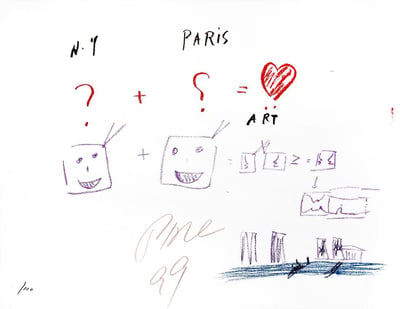
Nam June Paik
NY + Paris = Art, 1999
Limited Edition Print
Lithograph
Currently Not Available

Joseph Beuys
Wirtschaftspaket, 1984
Sculpture / Object
Mixed Media
EUR 16,600

Dieter Roth
Steep Potplant, 1975
Limited Edition Print
Drypoint
USD 2,200

Paul Mccarthy
Red, Green, Black, 2005
Limited Edition Print
Silkscreen
USD 4,500

Paul Mccarthy
Pudding, 1999
Sculpture / Object
Mixed Media
EUR 1,500
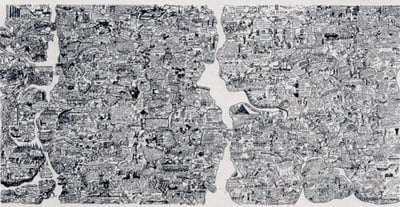
Oyvind Fahlstrom
World map, 1973
Limited Edition Print
Silkscreen
Currently Not Available
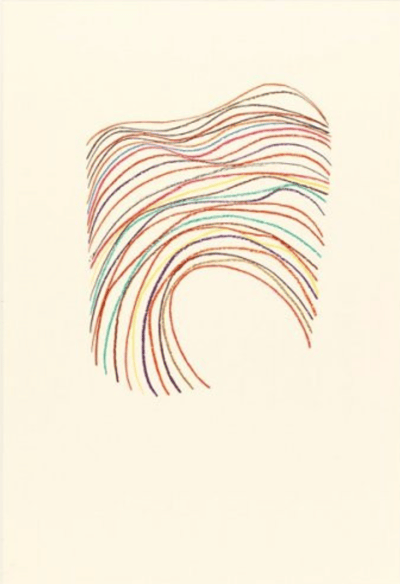
León Ferrari
Mod. 13, 2009
Limited Edition Print
Lithograph
EUR 1,000
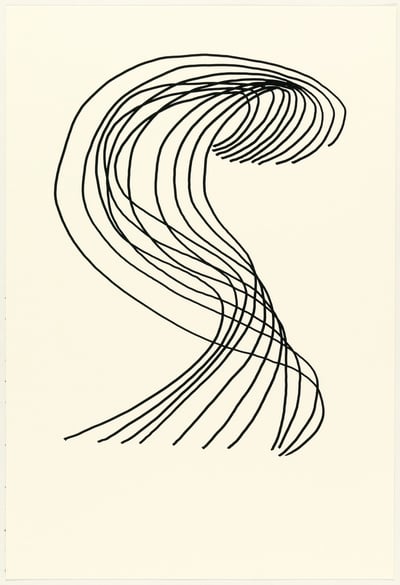
León Ferrari
Mod. 4, 2009
Limited Edition Print
Lithograph
EUR 1,000
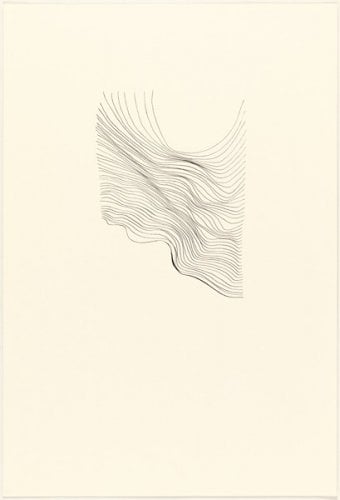
León Ferrari
Mod. 3, 2009
Limited Edition Print
Lithograph
EUR 1,000
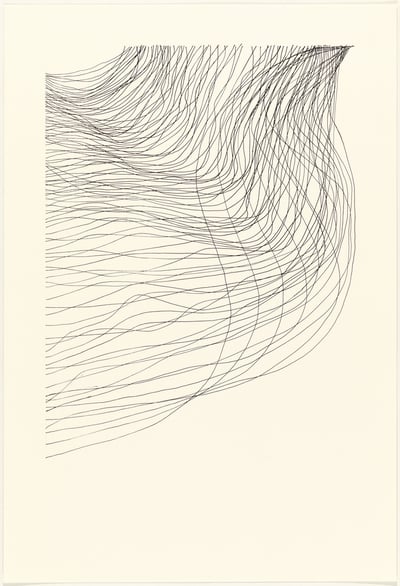
León Ferrari
Mod. 2, 2009
Limited Edition Print
Lithograph
EUR 1,000
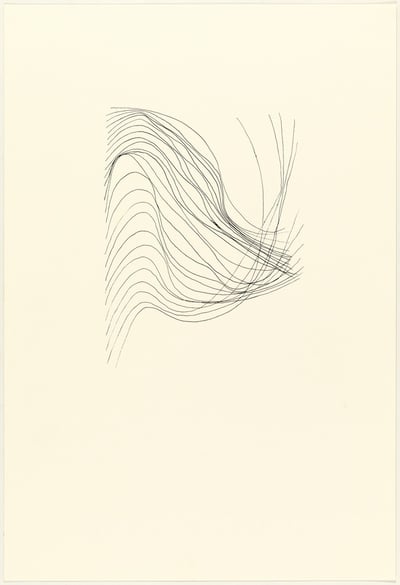
León Ferrari
Mod. 1, 2009
Limited Edition Print
Lithograph
EUR 1,000
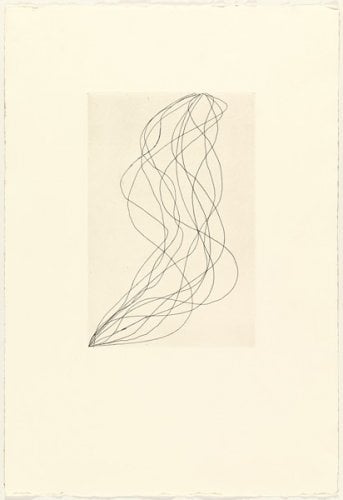
León Ferrari
Mod. 2, 2009
Limited Edition Print
Etching
EUR 1,000
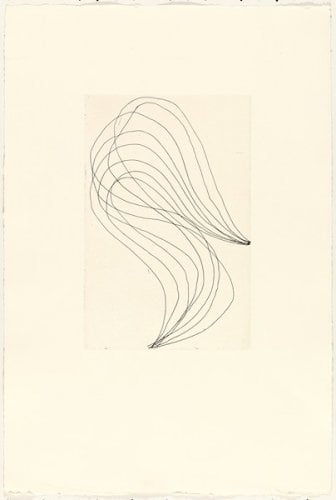
León Ferrari
Mod. 1, 2009
Limited Edition Print
Etching
EUR 1,000
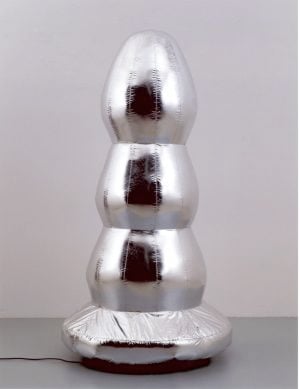
Paul Mccarthy
Brancusi Tree (silver), 2007
Sculpture / Object
Mixed Media
Currently Not Available
Related Articles

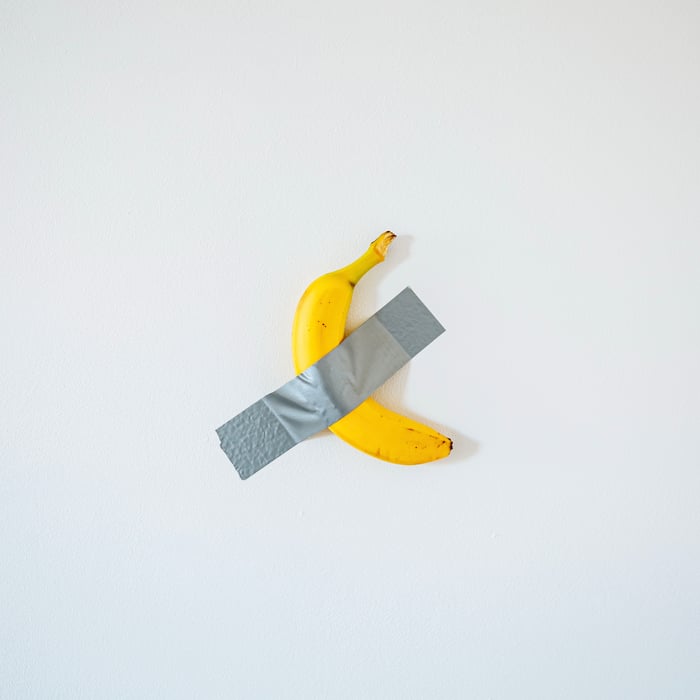
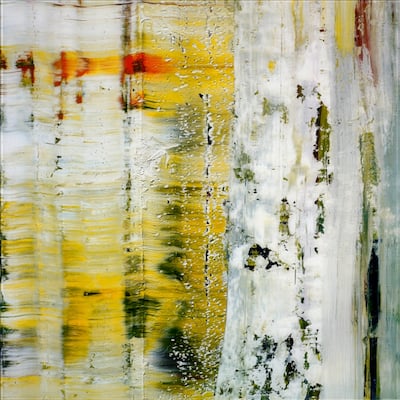
Capitalist Realism is a German form of political pop art that emerged in Cold War-era Berlin in 1963. It sought to challenge the dominance of American pop art in the Western world. The movement blended the ideologies of both pop art and socialist realism, offering a critique of consumer culture and political power.

New Topographics is a term coined in 1975 by curator William Jenkins to describe a group of photographers whose work focused on formal black-and-white images of urban and industrial landscapes. Jenkins initially described their aesthetic as banal, but the photographers themselves argued that their compositions were as significant as those of natural landscapes, emphasizing the beauty in everyday, man-made environments.
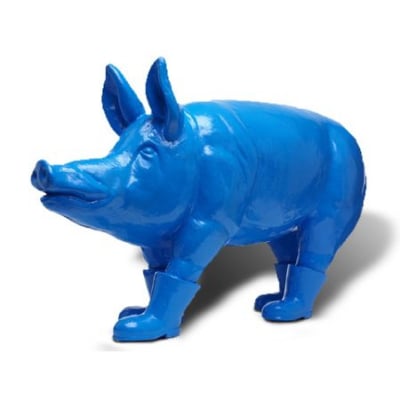
Environmental art is a collective term that refers to a wide range of artistic practices and works that engage with historical and ecological themes. The term often encompasses ecological concerns, although it is not exclusively defined by them. Environmental art acknowledges and appreciates the early history of the environmental art movement, including works with activist themes and those celebrating the connection between nature and the artist through the use of natural materials.
Can't find your Answer?
Thank you! Your question has been sent — we'll get back to you shortly.
