
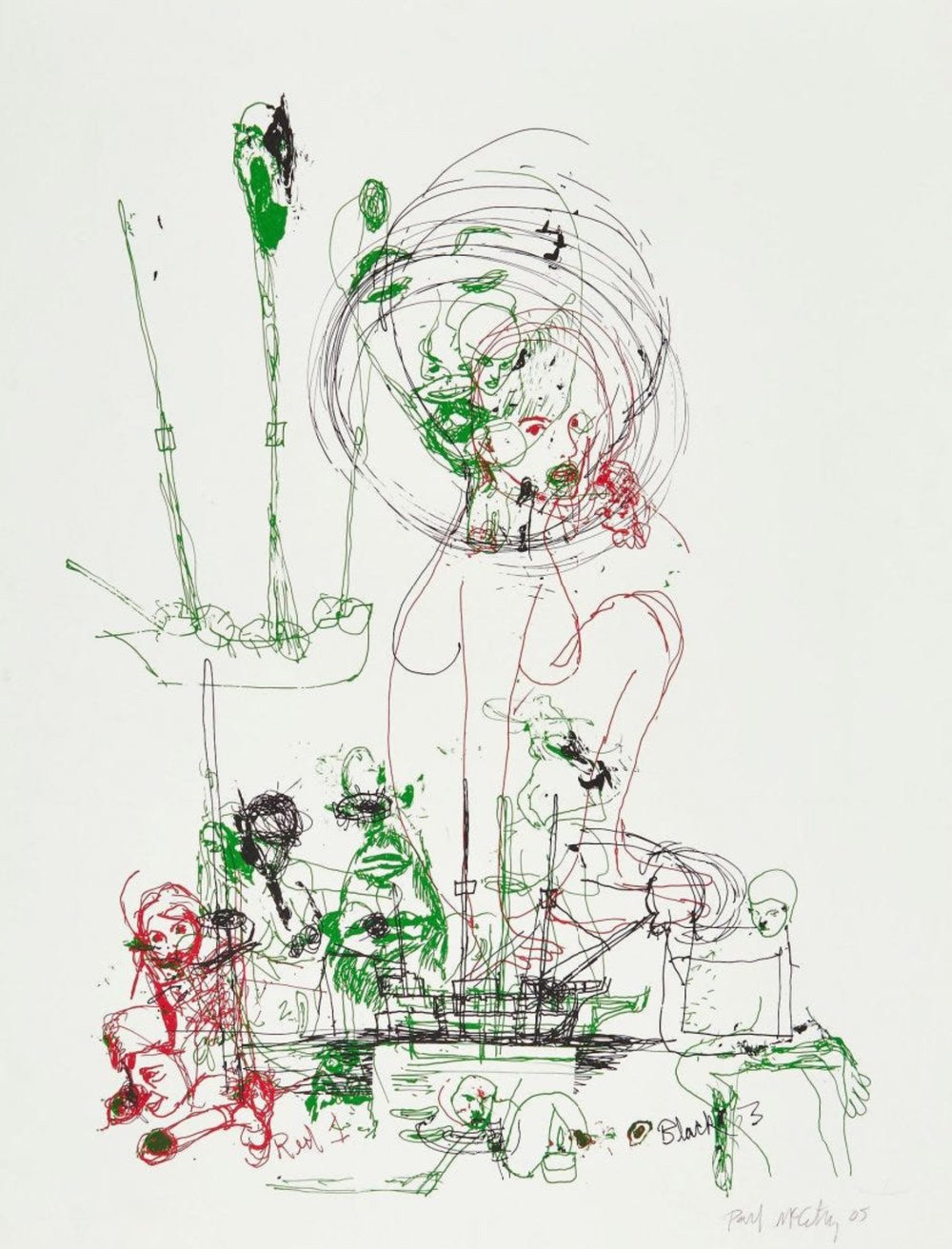
Screenprint on paper
- Printed by Jose Alpuche
- Signed, dated and numbered in pencil on recto
Red, Green, Black by Paul McCarthy, a silkscreen print from 2005, is an intricate and layered composition that combines chaotic, gestural lines with figurative elements. Rendered in vibrant shades of red, green, and black, the artwork portrays various overlapping figures and objects that seem to merge and blend into each other, creating a sense of disarray and motion. McCarthy’s characteristic raw and provocative style is evident, as he often explores themes of identity, culture, and societal taboos. The dynamic use of color and frenetic line work lend the piece an unsettling energy, drawing viewers into a complex visual narrative that invites interpretation. Signed and numbered, this limited-edition print reflects McCarthy's intense exploration of human expression and psychological depth.
Artwork Copyright © Paul MccarthyPaul McCarthy (USA, 1945) is a provocative contemporary artist known for his subversive performances, installations, and sculptures. Addressing themes of consumerism, power, and taboo, his works often challenge social norms with dark humor and grotesque imagery. McCarthy's art pushes boundaries, sparking debate about cultural values and artistic freedom.
Artwork Copyright © Paul MccarthyRed, Green, Black, 2005
Form
Medium
Size
- Inches
- Centimeters
Edition
Price
- USD
- EUR
- GBP
- CHF
- Authenticity Guaranteed
- Insured Shipping
- Online Since 2005
●Inventory 3226
●Signed
●Comes with gallery invoice and certificate
●Sell Us a Similar Artwork. Learn more.
Screenprint on paper
- Printed by Jose Alpuche
- Signed, dated and numbered in pencil on recto
Red, Green, Black by Paul McCarthy, a silkscreen print from 2005, is an intricate and layered composition that combines chaotic, gestural lines with figurative elements. Rendered in vibrant shades of red, green, and black, the artwork portrays various overlapping figures and objects that seem to merge and blend into each other, creating a sense of disarray and motion. McCarthy’s characteristic raw and provocative style is evident, as he often explores themes of identity, culture, and societal taboos. The dynamic use of color and frenetic line work lend the piece an unsettling energy, drawing viewers into a complex visual narrative that invites interpretation. Signed and numbered, this limited-edition print reflects McCarthy's intense exploration of human expression and psychological depth.
Artwork Copyright © Paul MccarthyPaul McCarthy (USA, 1945) is a provocative contemporary artist known for his subversive performances, installations, and sculptures. Addressing themes of consumerism, power, and taboo, his works often challenge social norms with dark humor and grotesque imagery. McCarthy's art pushes boundaries, sparking debate about cultural values and artistic freedom.
Artwork Copyright © Paul Mccarthy- Recently Added
- Price (Low-High)
- Price (High-Low)
- Year (Low-High)
- Year (High-Low)

Paul Mccarthy
Red, Green, Black, 2005
Limited Edition Print
Silkscreen
USD 4,500

Paul Mccarthy
Pudding, 1999
Sculpture / Object
Mixed Media
EUR 1,500
Paul Mccarthy
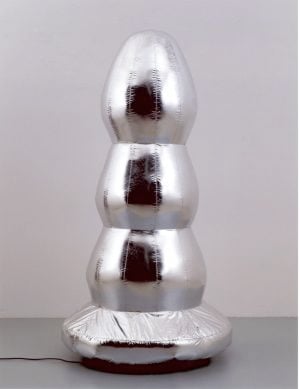
Brancusi Tree (silver), 2007
Sculpture / Object
Mixed Media
Currently Not Available
Related Artists



Artwork by Araki
What is Shock Art?
Shock Art is an art movement that uses disturbing images, scents, or sounds to provoke a strong, often shocked, reaction from viewers. It is often regarded as a form of social commentary, with critics and supporters debating whether its impact is positive or negative. Shock Art frequently employs taboo, obscene, or outrageous elements to challenge societal norms and provoke critical thought.

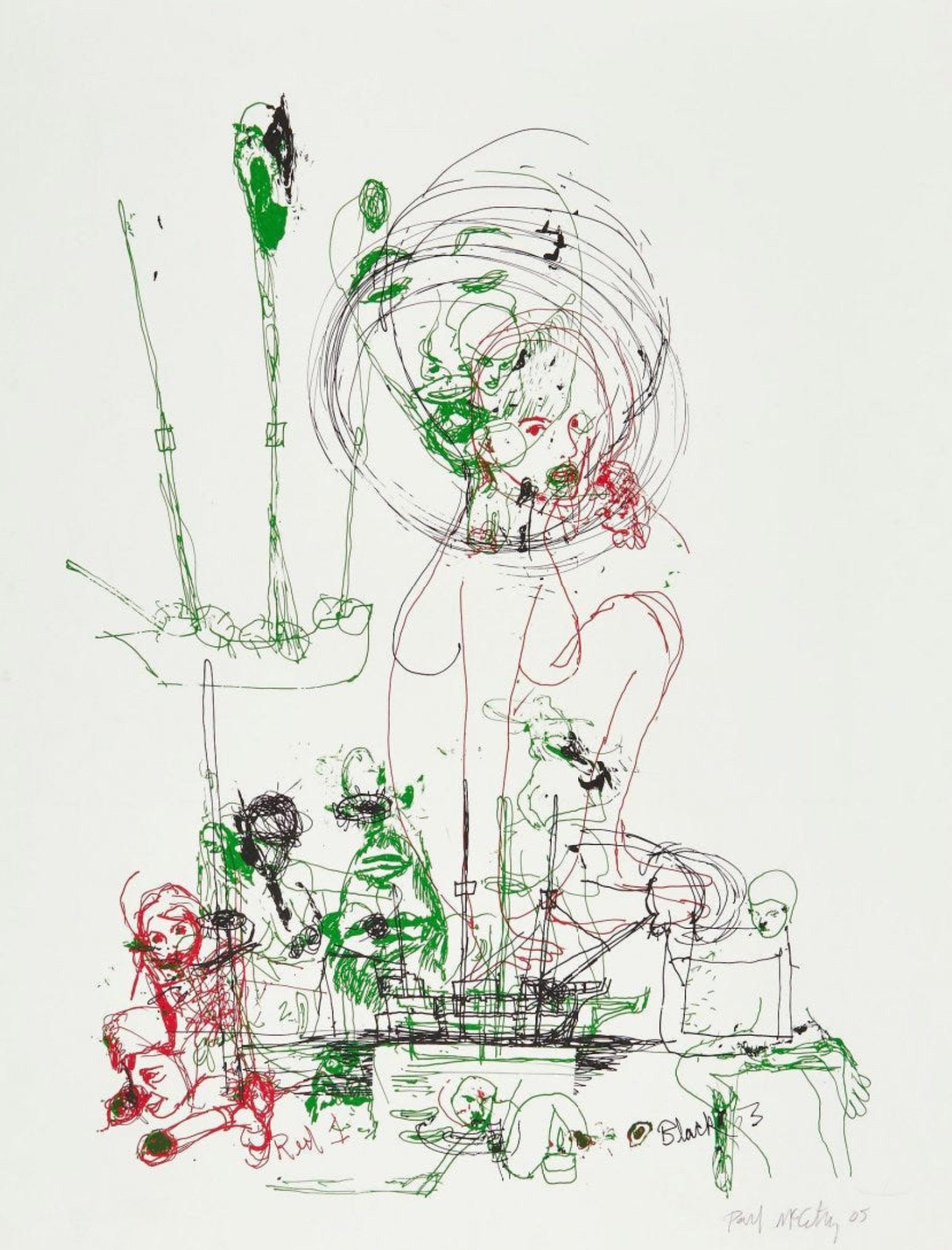
Paul Mccarthy
Red, Green, Black, 2005
91 x 71 cm


