
What is Environmental Art?
- Show All
- Established
- Discoveries
- Show All
Artworks Related to Environmental art

Yayoi Kusama
Flower, 1982
Limited Edition Print
Collage
Inquire For Price

Yayoi Kusama
Grapes In The City, 1989
Limited Edition Print
Screen-print
Inquire For Price

Vik Muniz
Flora Industrialis B/N, 2026
Photography
Photograph
EUR 25,000
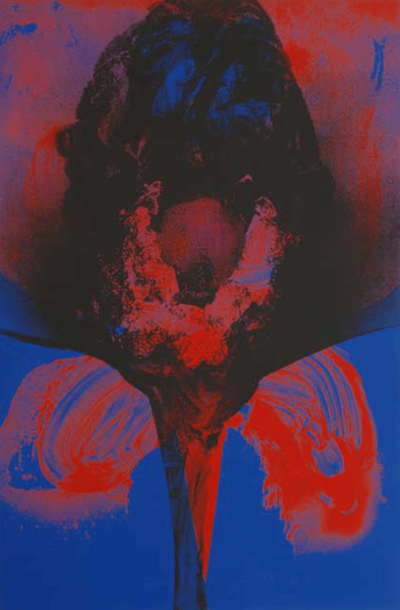
Otto Piene
Addis Abeba X, 1972
Limited Edition Print
Screen-print
EUR 3,400
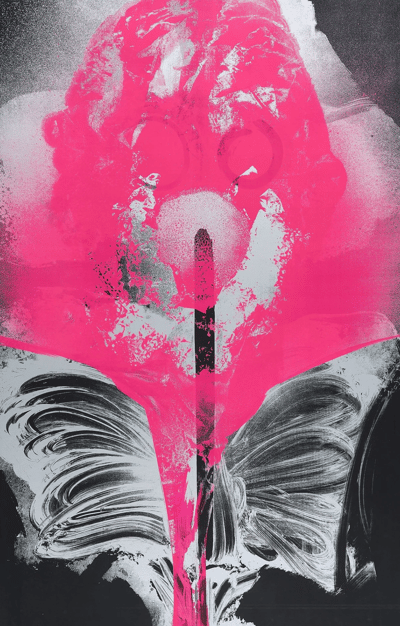
Otto Piene
Addis Abeba V, 1972
Limited Edition Print
Screen-print
EUR 3,300
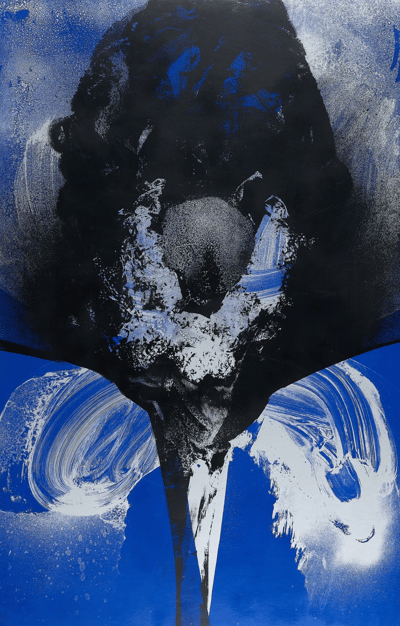
Otto Piene
Addis Abeba VI, 1972
Limited Edition Print
Screen-print
EUR 3,100
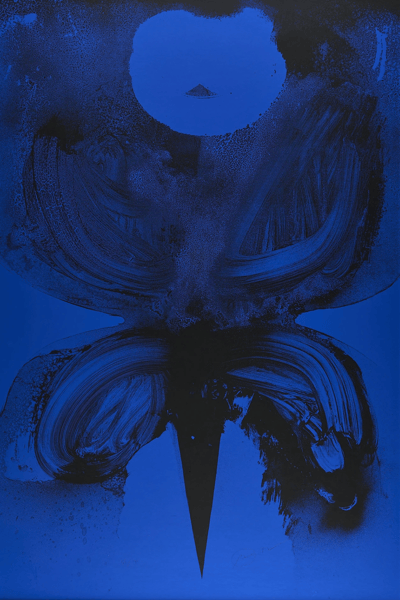
Otto Piene
Addis Abeba IX, 1972
Limited Edition Print
Screen-print
EUR 2,800
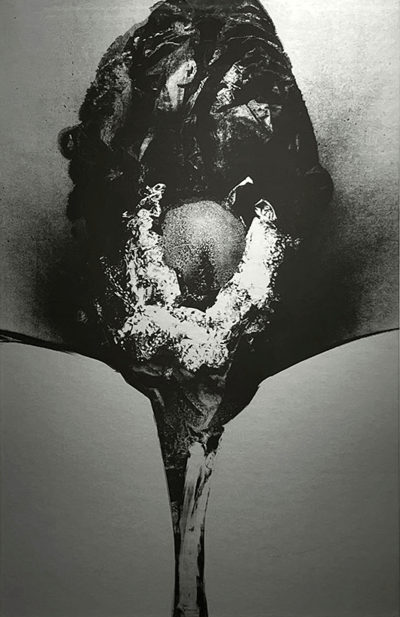
Otto Piene
Addis Abeba II, 1972
Limited Edition Print
Screen-print
EUR 2,800
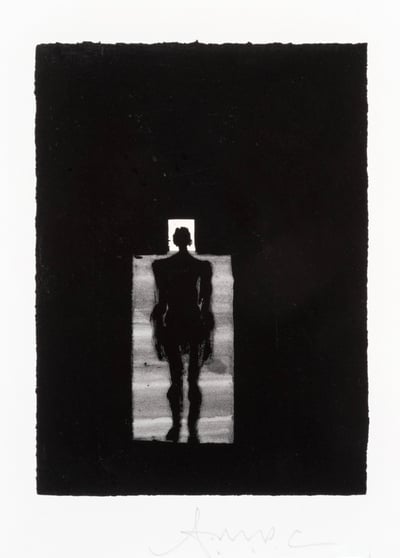
Antony Gormley
Room, 2008
Limited Edition Print
Digital Print on paper
GBP 2,500 - 3,200
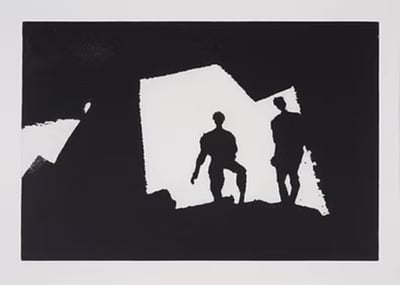
Antony Gormley
From The Cave, 2010
Limited Edition Print
Mixed Media
GBP 3,500 - 4,500
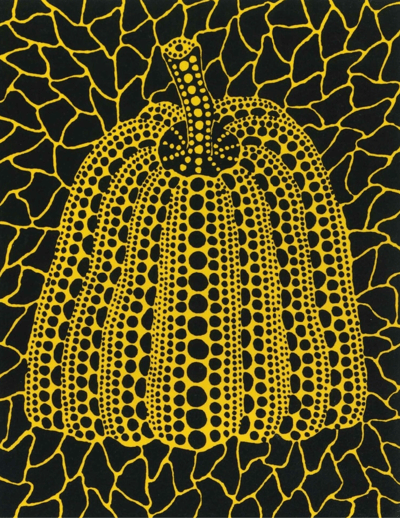
Yayoi Kusama
Pumpkin (S), 1992
Limited Edition Print
Screen-print
GBP 37,500
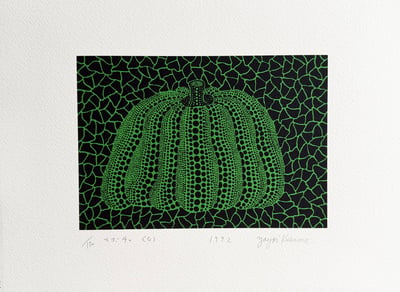
Yayoi Kusama
Pumpkin (G), 1992
Limited Edition Print
Screen-print
USD 45,750
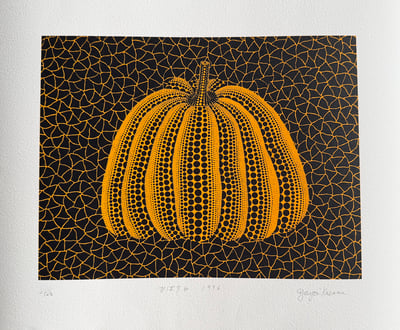
Yayoi Kusama
Pumpkin (YY), 1996
Limited Edition Print
Screen-print
USD 50,000 - 60,000
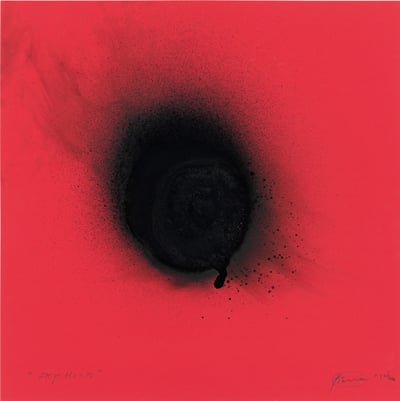
Otto Piene
Sky Hook, 2014
Painting
Gouache
Inquire For Price
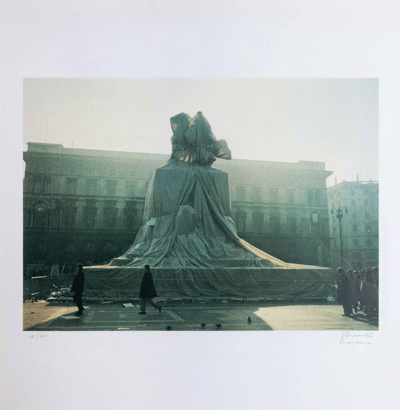
Javacheff Christo
Wrapped Monumento to Vittorio Emanuele, Piazza del Duomo, 1970
Limited Edition Print
Photograph
EUR 2,400
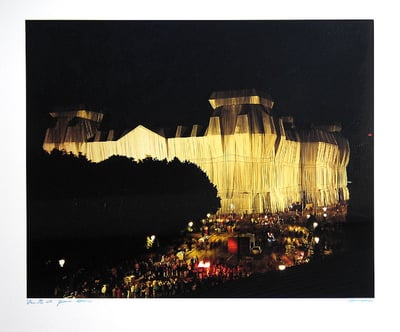
Javacheff Christo
Reichstag/Berlin Nacht, Wrapped, 1995
Limited Edition Print
Photograph
EUR 10,000
Related Articles
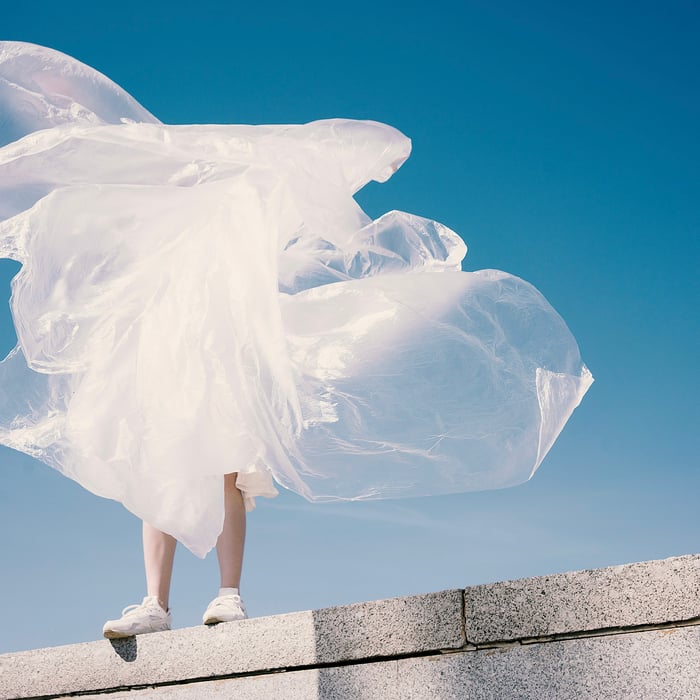


Sand consists of loose grains of material primarily made up of minerals like quartz, mica, and feldspar, as well as small fragments of rocks. Sand paintings are created by pouring colored sand into intricate designs, often for cultural rituals or special celebrations. These designs can take many days to complete and are traditionally brushed away after the ceremony, emphasizing the impermanence of the artwork.

Abstract Expressionism is an art movement that emerged in the United States during the 1940s and 1950s. Characterized by large, abstract canvases, the movement emphasized spontaneous, expressive brushwork and the use of color and form to convey emotion rather than represent reality. Artists like Jackson Pollock, Mark Rothko, and Willem de Kooning are key figures in this movement. Abstract Expressionism marked a shift in the art world, making New York City a center of the international art scene.
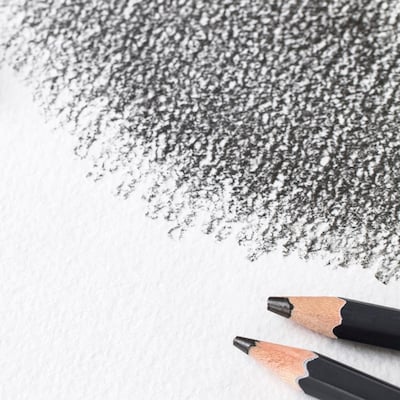
A pencil is a writing and drawing tool with a core of solid pigment, typically graphite or colored, encased in a protective layer of wood or composite material. Pencils make marks on paper by transferring part of the core pigment onto the surface.
Can't find your Answer?
Thank you! Your question has been sent — we'll get back to you shortly.
