

What is Environmental Art?
- Show All
- Established
- Discoveries
- Show All
Artworks Related to Environmental art
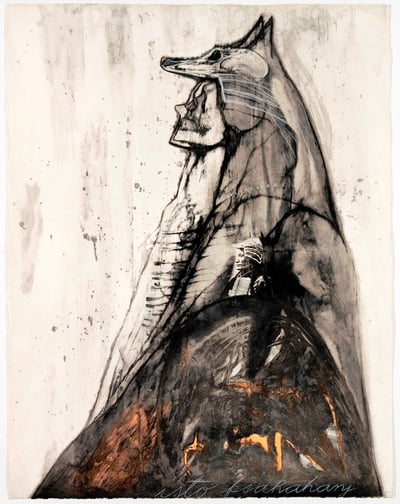
José Bedia
Isto psakahanj, 2008
Limited Edition Print
Etching
EUR 2,000
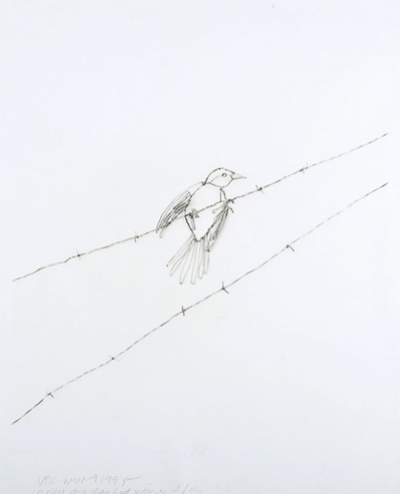
Vik Muniz
Vireo on Barbed Wire, 1995
Photography
Photograph
USD 6,200
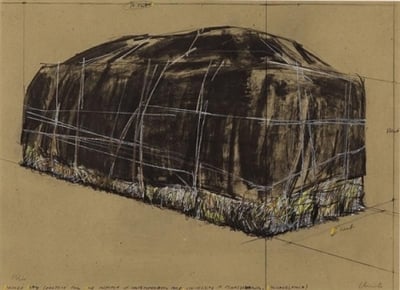
Javacheff Christo
Packed Hay, 1973
Limited Edition Print
Screen-print
EUR 3,800
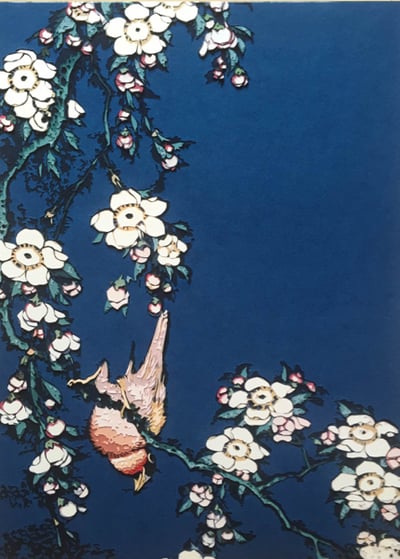
Vik Muniz
Bullfinch and weeping cherry, 2010
Photography
C-Print
EUR 6,500
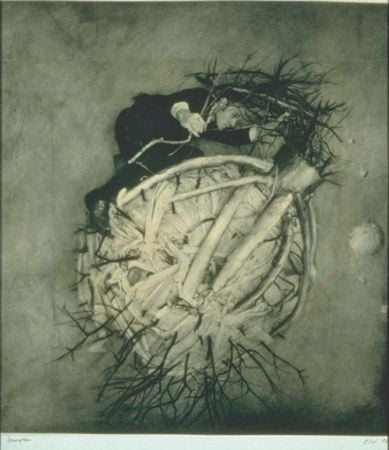
Robert ParkeHarrison
Consumption, 1997
Photography
Photograph
Currently Not Available
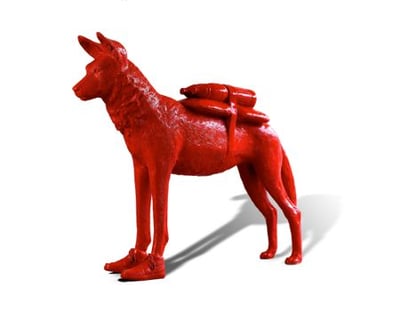
William Sweetlove
African dog with shoes and water bottles, 2011
Sculpture / Object
Resin
EUR 6,000 - 8,000
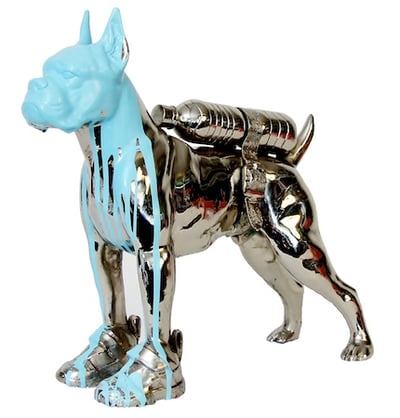
William Sweetlove
Cloned bronze bulldog with bottle water, 2011
Sculpture / Object
Bronze
EUR 6,000
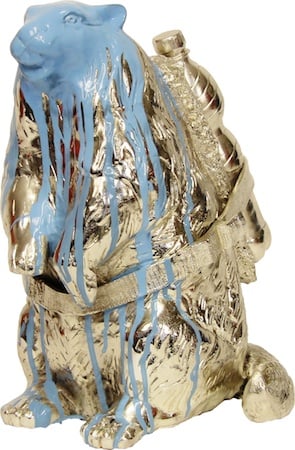
William Sweetlove
Cloned bronze marmot with bottle, 2011
Sculpture / Object
Bronze
EUR 5,000
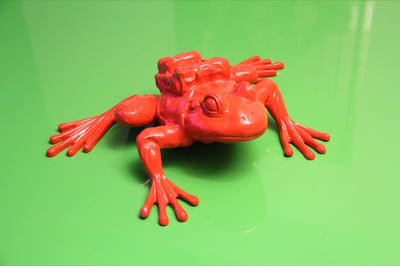
William Sweetlove
Cloned RED Aluminum FROG with backpack, 2011
Sculpture / Object
Metal
EUR 1,400
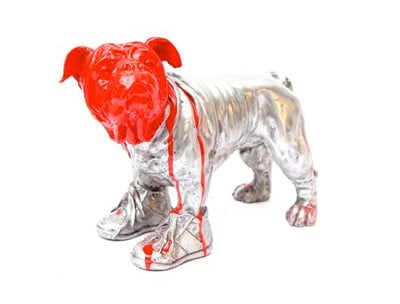
William Sweetlove
Cloned aluminum Bouly with red head, 2009
Sculpture / Object
Metal
EUR 4,000
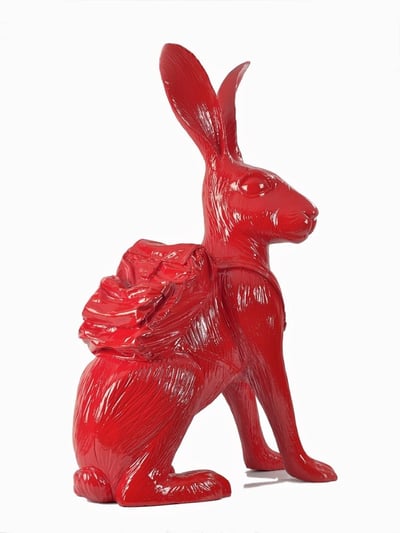
William Sweetlove
Cloned Hare with backpack, 2009
Sculpture / Object
Resin
EUR 10,000
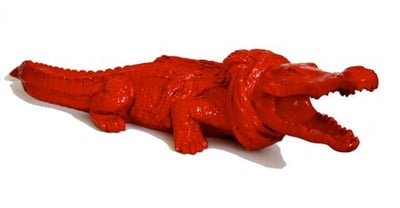
William Sweetlove
Cloned Krocky with scarf, 2009
Sculpture / Object
Resin
EUR 3,000
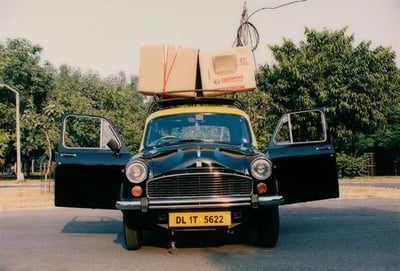
Subodh Gupta
title unknown, 2006
Photography
Photograph
Currently Not Available
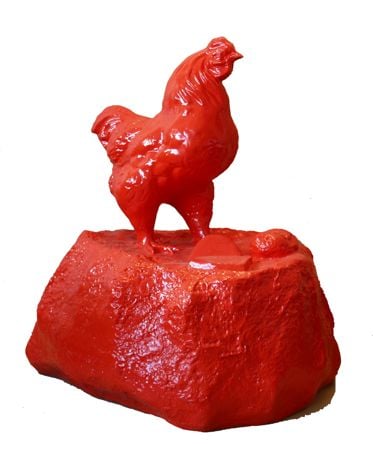
William Sweetlove
Cloned red chicken on a rock, 2005
Sculpture / Object
Resin
EUR 2,500
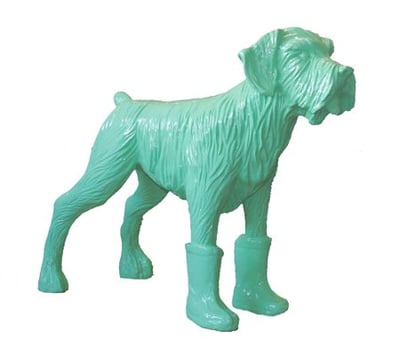
William Sweetlove
Cloned pistachio dog with plastic boots, 2008
Sculpture / Object
Resin
EUR 2,500
Related Articles




Monotype is a printmaking technique where an image is painted or drawn on a nonabsorbent, smooth surface, traditionally an etching plate of copper, but now also acrylic, zinc, or glass. The image is then transferred to paper using a printing press, creating a unique print. The first pressing removes most of the ink, making it difficult to produce additional prints with the same richness, resulting in a one-of-a-kind artwork.

A curator is a professional responsible for managing and overseeing a collection of art pieces or artifacts. Employed by a gallery or museum, curators use their expertise to acquire, develop, display, and care for the collection. They also organize exhibitions and ensure that the collection is accessible to the public.

Wire is a single strand or rod of flexible metal. It has been used since ancient times to make chains and jewelry decorations. Wire comes in various thicknesses and can be bent, braided, and cut using wire tools to create sculptures, assemblages, and mobiles. Different metals, such as copper, aluminum, and steel, are commonly used for wire art.
Can't find your Answer?
Thank you! Your question has been sent — we'll get back to you shortly.
