
What is Environmental Art?
- Show All
- Established
- Discoveries
- Show All
Artworks Related to Environmental art

Nancy Graves
Vertigo, 1980
Limited Edition Print
Screen-print
USD 3,680

Otto Piene
Addis Abeba 8, 1972
Limited Edition Print
Screen-print
EUR 3,200

Javacheff Christo
Store Front Corridor two parts
Limited Edition Print
Silkscreen
EUR 9,800

Javacheff Christo
Wrapped Automobile, Project for Studebaker, 2015
Limited Edition Print
Collage
EUR 9,800

Richard Long
Untitled (from Artists Against Torture portfolio), 2003
Limited Edition Print
Lithograph
EUR 2,900
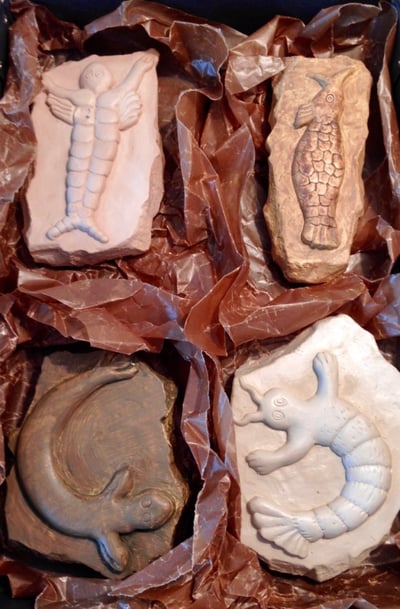
Mark Dion
Emanations of the Earth, 2017
Sculpture / Object
Plaster
Currently Not Available

Javacheff Christo
5600 m3, Kassel, 1968
Limited Edition Print
Silkscreen
EUR 3,900
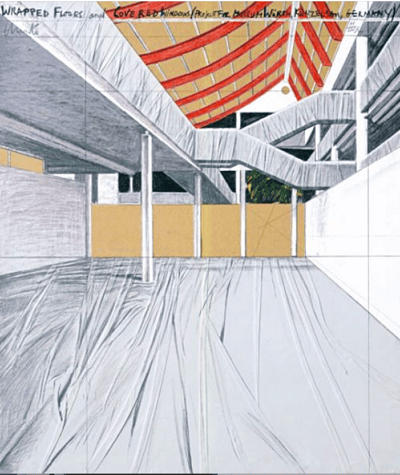
Javacheff Christo
Wrapped Floors and Covered Windows, Museum Würth, 1994
Limited Edition Print
Collage
EUR 9,800

Javacheff Christo
Toronto Edition, The Umbrellas, Japan
Photography
Photograph
Currently Not Available
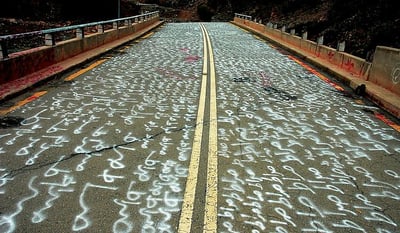
Abdulnasser Gharem
The Path, 2012
Limited Edition Print
Silkscreen
Currently Not Available

Michael Dweck
Wendy At The Panoramic View, Montauk, 2002
Photography
Gelatin Silver Print
Currently Not Available

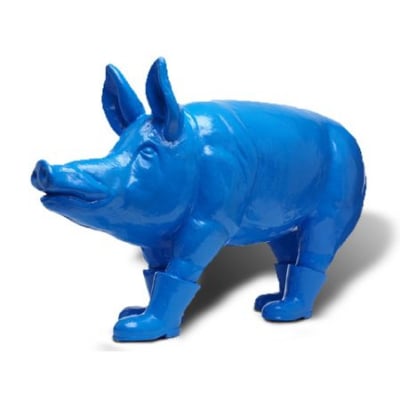
William Sweetlove
Sunday Handbag, 2016
Sculpture / Object
Bronze
EUR 9,900

Antony Gormley
Matrix X, 2016
Limited Edition Print
Aquatint
Currently Not Available
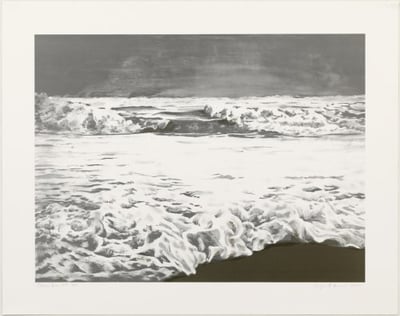
April Gornik
Storm sea, 2011
Limited Edition Print
Lithograph
Currently Not Available
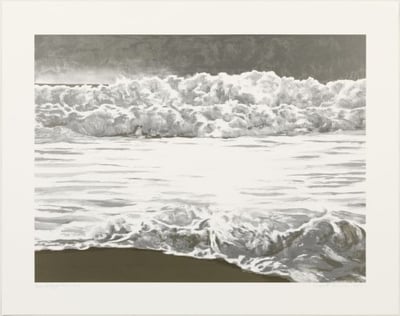
April Gornik
Sea edge, 2011
Limited Edition Print
Lithograph
Currently Not Available

Javacheff Christo
Wrapped Fountain, 2009
Limited Edition Print
Collage
EUR 8,000
Related Articles
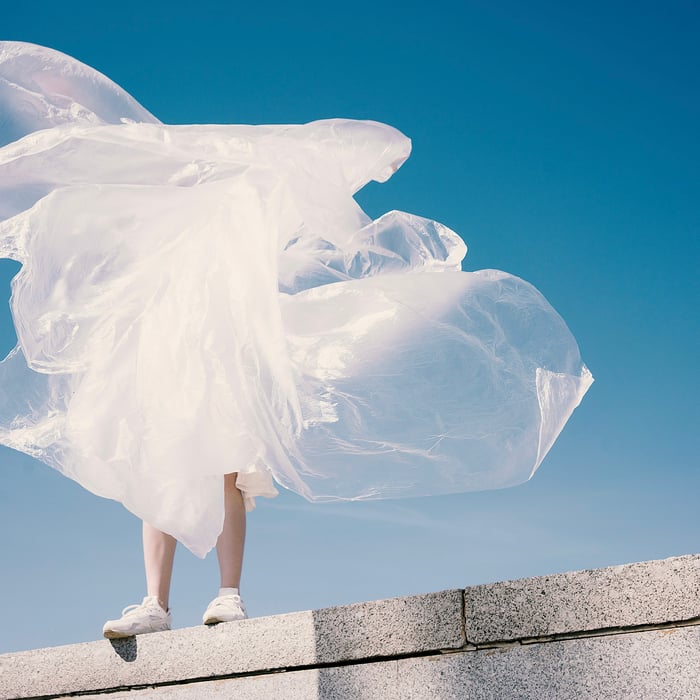


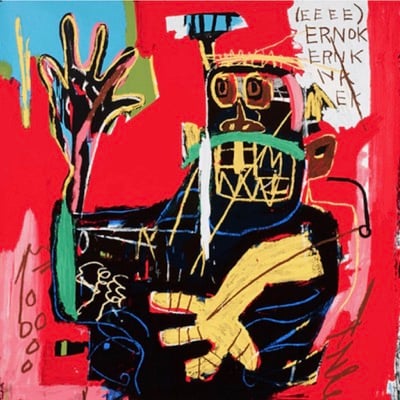
In 1981, Patti Astor opened the first art gallery in New York City's East Village, helping to launch the careers of various artists and musicians. The gallery started small but quickly gained popularity, contributing to the emergence of art movements such as Neo-Expressionism and Street Art in the area. The East Village became a hub for these new artistic expressions. However, the gallery closed in 1985 due to waning interest.

Crayon is a French word that means pencil. In art, a crayon is a stick made of colored wax, chalk, charcoal, or clay used for drawing and coloring. Crayons are typically made from paraffin wax, which is derived from petroleum, coal, or wood. Types of crayons include wax crayons, pastel crayons, and oil pastels.
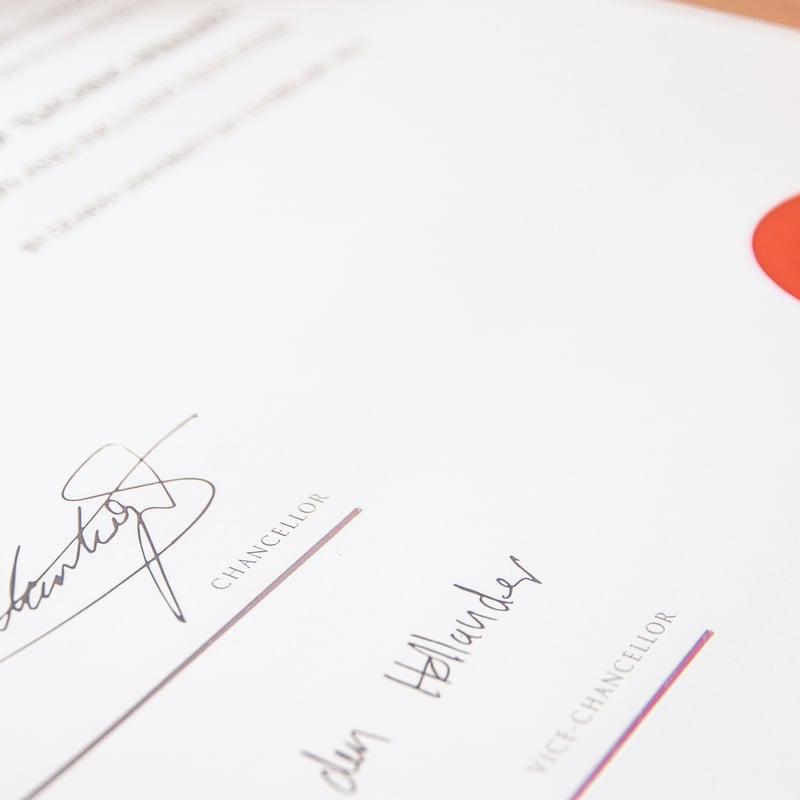
Authenticity refers to the qualities that define an original artwork as genuine, created by the artist under the original circumstances. A reproduction lacks authenticity because it was not made by the original artist and does not share the same context or creation process. The authenticity of an original artwork can be questioned when reproductions exist, which can diminish its value. Authenticity is often established through provenance, expert analysis, and documentation, ensuring the artwork's originality.
Can't find your Answer?
Thank you! Your question has been sent — we'll get back to you shortly.
