

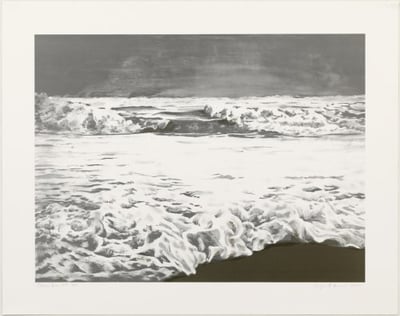
// April Gornik’s Storm Sea from 2011 is a limited-edition lithograph that captures the turbulent power of the ocean in monochromatic tones. Rendered in shades of black, white, and gray, the piece conveys a sense of movement and depth as waves crash and churn under a moody sky. Gornik’s attention to detail and mastery of light and shadow highlight the foam and texture of the waves, evoking both calm and intensity. This piece draws viewers into the natural drama of the sea, capturing the untamed beauty and power of nature through a carefully balanced grayscale palette.
Artwork Copyright © April GornikApril Gornik (United States, 1953) is an American artist renowned for her luminous landscape paintings that blend realism with dreamlike qualities. Her works often depict serene yet dramatic natural scenes, exploring the interplay between light and atmosphere. Gornik's art invites viewers to reflect on the beauty and complexity of the natural world.
Artwork Copyright © April GornikStorm sea, 2011
Form
Medium
Size
- Inches
- Centimeters
Edition
Price
Available works →
- Authenticity Guaranteed
- Insured Shipping
- Online Since 2005
●
●Inventory 2976
●Signed
●Comes with gallery invoice and certificate
●Sell Us a Similar Artwork. Learn more.
// April Gornik’s Storm Sea from 2011 is a limited-edition lithograph that captures the turbulent power of the ocean in monochromatic tones. Rendered in shades of black, white, and gray, the piece conveys a sense of movement and depth as waves crash and churn under a moody sky. Gornik’s attention to detail and mastery of light and shadow highlight the foam and texture of the waves, evoking both calm and intensity. This piece draws viewers into the natural drama of the sea, capturing the untamed beauty and power of nature through a carefully balanced grayscale palette.
Artwork Copyright © April GornikApril Gornik (United States, 1953) is an American artist renowned for her luminous landscape paintings that blend realism with dreamlike qualities. Her works often depict serene yet dramatic natural scenes, exploring the interplay between light and atmosphere. Gornik's art invites viewers to reflect on the beauty and complexity of the natural world.
Artwork Copyright © April Gornik- Recently Added
- Price (Low-High)
- Price (High-Low)
- Year (Low-High)
- Year (High-Low)

April Gornik
Remember the Sabbath Day, 1987
Limited Edition Print
Lithograph
Currently Not Available
April Gornik
Storm sea, 2011
Limited Edition Print
Lithograph
Currently Not Available
April Gornik
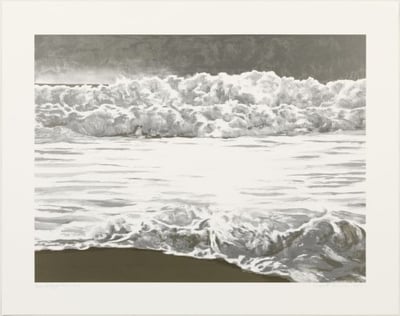
Sea edge, 2011
Limited Edition Print
Lithograph
Currently Not Available
Related Artists
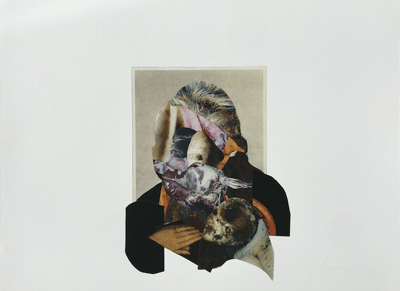
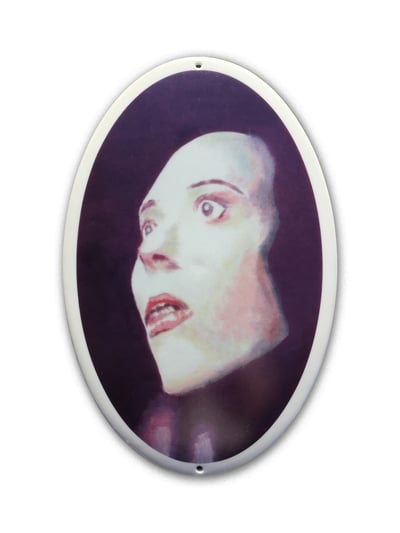

Artwork by Miles Aldridge
What is contemporary art?
Contemporary art refers to avant-garde or innovative art created in the recent past or present day. The exact starting point of contemporary art varies depending on the institution, often tied to the founding year of museums or galleries that showcase the style. Contemporary art is characterized by its focus on current ideas, diverse media, and the exploration of new concepts and techniques.

April Gornik
Storm sea, 2011
50 x 73 cm


