

What is new figuration?
- Show All
- Established
- Discoveries
- Show All
Artworks Related to New Figuration
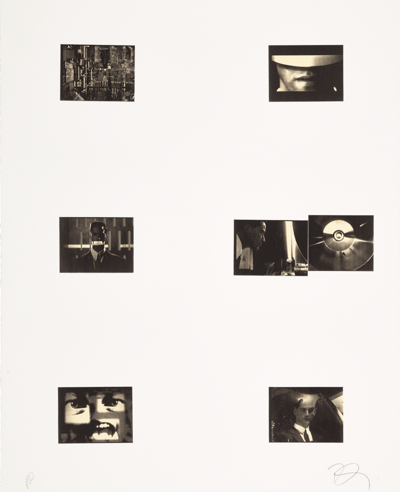
Robert Longo
Mnemonic Pictures 4, 1995
Limited Edition Print
Mixed Media
Inquire For Price
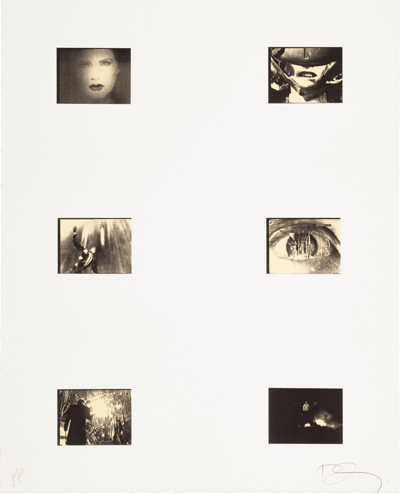
Robert Longo
Mnemonic Pictures 3, 1995
Limited Edition Print
Mixed Media
Inquire For Price
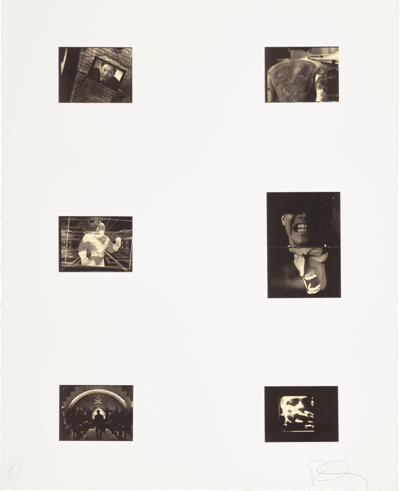
Robert Longo
Mnemonic Pictures 2, 1995
Limited Edition Print
Mixed Media
Inquire For Price
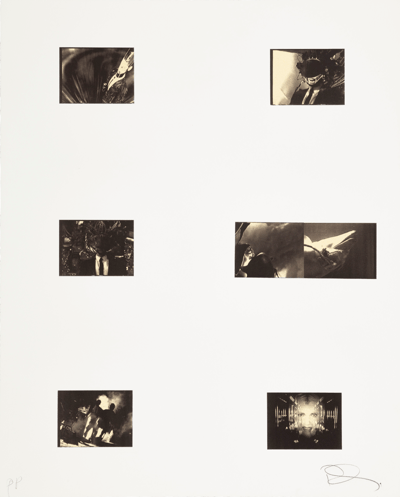
Robert Longo
Mnemonic Pictures 1, 1995
Limited Edition Print
Mixed Media
Inquire For Price

David Hockney
Self Portrait in My Living Room, 2021
Limited Edition Print
Inkjet print
GBP 27,000 - 33,000

David Hockney
Sunflower I, 1995
Limited Edition Print
Etching and Aquatint
GBP 29,000 - 35,000

David Hockney
Jamie McHale 1, 2008
Limited Edition Print
Inkjet print
Inquire For Price
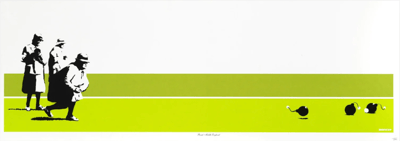
Banksy
Bomb Middle England (Unsigned), 2002
Limited Edition Print
Screen-print
GBP 15,000 - 2,000

Banksy
Western Super Mare, 2003
Limited Edition Print
Screen-print
GBP 15,000 - 2,000

Banksy
Napalm, 2004
Limited Edition Print
Screen-print
GBP 32,000 - 38,000
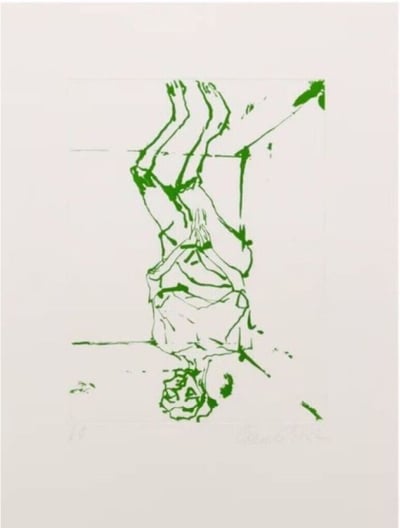
Georg Baselitz
Serpentine - green, 2022
Limited Edition Print
Etching and Aquatint
Inquire For Price

Banksy
Donuts - Strawberry, 2009
Limited Edition Print
Screen-print
Inquire For Price
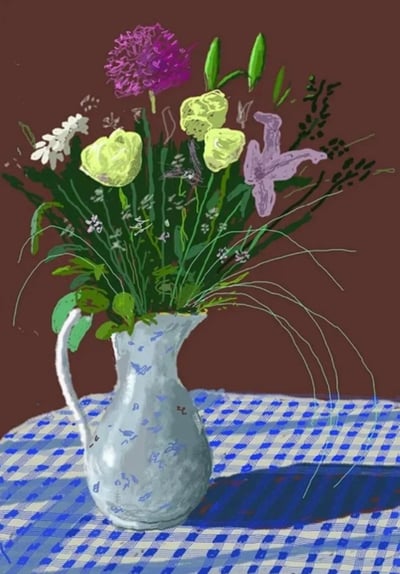
David Hockney
20th February 2021, Jug With Flowers, 2021
Limited Edition Print
Mixed Media
Inquire For Price

David Hockney
23rd March 2021, Flowers in a Milk Bottle, 2021
Limited Edition Print
Mixed Media
GBP 120,000 - 140,000

David Hockney
4th February 2021, Flowers in a White Vase with Chair, 2021
Limited Edition Print
Mixed Media
Inquire For Price
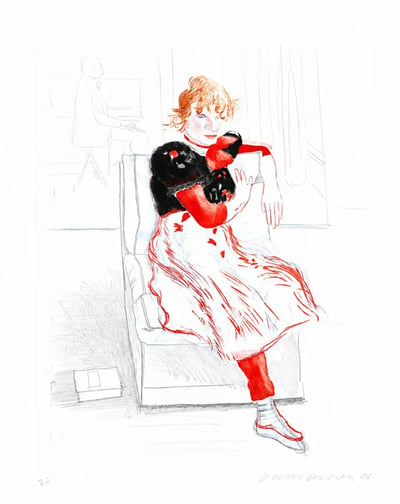
David Hockney
Celia Observing, 1976
Limited Edition Print
Etching and Aquatint
GBP 33,000 - 40,000
Related Articles


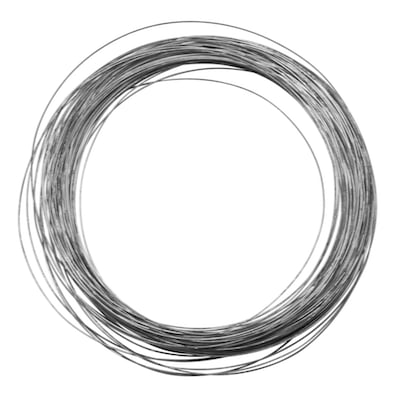
Wire is a single strand or rod of flexible metal. It has been used since ancient times to make chains and jewelry decorations. Wire comes in various thicknesses and can be bent, braided, and cut using wire tools to create sculptures, assemblages, and mobiles. Different metals, such as copper, aluminum, and steel, are commonly used for wire art.
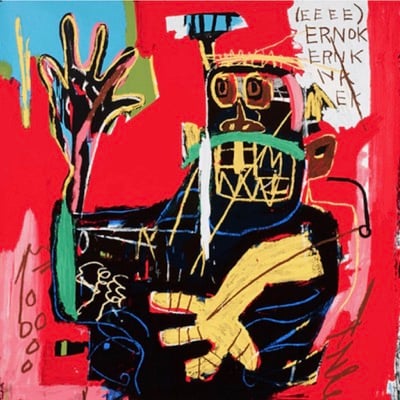
In 1981, Patti Astor opened the first art gallery in New York City's East Village, helping to launch the careers of various artists and musicians. The gallery started small but quickly gained popularity, contributing to the emergence of art movements such as Neo-Expressionism and Street Art in the area. The East Village became a hub for these new artistic expressions. However, the gallery closed in 1985 due to waning interest.

Neo-Dada is a minor visual and audio art movement with intents similar to those of Dada artwork. While it revives some of Dada's objectives, Neo-Dada emphasizes the importance of the produced artwork rather than the concept behind it. The movement is considered the foundation of Pop Art, Nouveau Réalisme, and Fluxus. Neo-Dada is known for its use of absurdist contrasts, popular imagery, and modern materials, blending high and low culture in a way that challenges traditional artistic conventions.
Can't find your Answer?
Thank you! Your question has been sent — we'll get back to you shortly.
