

Fang Lijun
Fang Lijun (China, 1963) is a leading figure in the Cynical Realism movement, reflecting the disillusionment of China's youth post-Tiananmen Square. His works often feature bald, aggressive-looking figures, incorporating imagery from pop culture, folk art, and traditional Chinese painting.
© Fang Lijun. All rights reserved.
- Recently Added
- Price (Low-High)
- Price (High-Low)
- Year (Low-High)
- Year (High-Low)
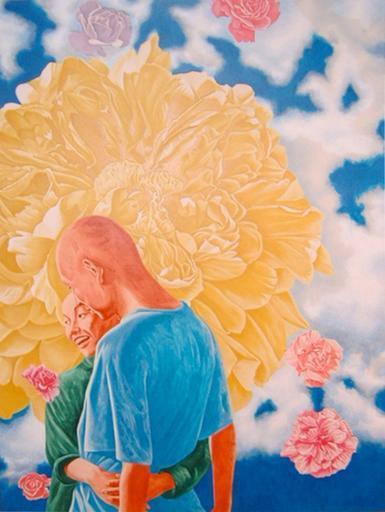
Fang Lijun
Flower, 2005
Limited Edition Print
Screen-print
Currently Not Available
A life with friends is a wonderland.
- Fang Lijun
- Fang Lijun
Fang Lijun is a contemporary Chinese painter who works with both paint and wood as part of the cynical realism movement. This movement is Chinese and, in its original language, is called 'Wanshi' which is usually translated to the English word 'cynical'. Here, there is a lot of emphasis on the connection between reality and life, with a lot of the works produced in it being centered around self-mockery. Many of the subjects of these pieces are distorted or giving a strange reflection of modern life. Fang Lijun’s work, in particular, often features young bald men doing different things and performing different tasks such as smiling or yawning. These young men are part of modern society and are confused by it. What it further represents is the loss of direction that modern Chinese youths are thought to have. On top of this, the figures, in some ways, resemble monks, and yet their expressions and body language challenges traditional orthodoxy. One particularly important aspect of Fang Lijun’s work is the idea of individuality. Fang Lijun uses the traditional method of carving wood with a negative image before covering it with ink and pressing it to the paper to create the image. He uses several different carvings for one picture so that it results in the color immersion that he wants.
Related Artists


Related Articles
News, Popular, Collecting, Artists - August 12, 2026
In Minor Keys: Finding Intimacy and Identity at the 61st Venice Biennale — and in Your Collection
Explore how Koyo Kouoh’s 61st Venice Biennale vision, In Minor Keys, is shifting contemporary collecting toward quiet introspection, memory, and personal identi…Read More
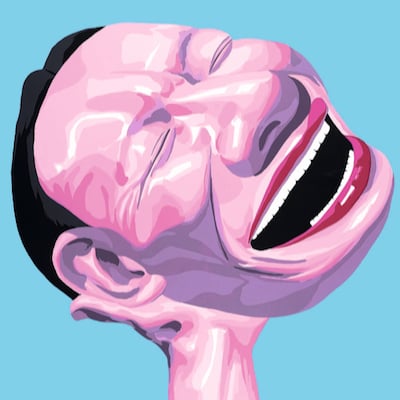 Artwork by Yue Minjun
What is Cynical Realism?
Cynical Realism is a term first used in 1992 by art critic Li Xianting to describe a group of Beijing artists who created satirical social realist paintings. The group aimed to depict the psychological turmoil experienced in China as the country grappled with new political ideologies.
Explore »

