
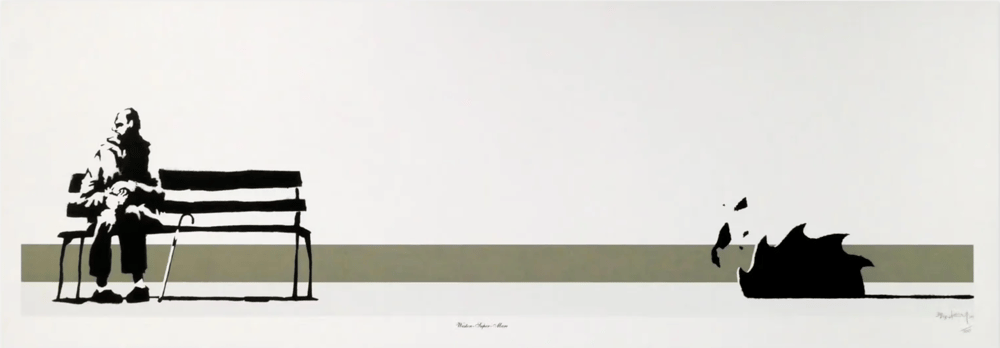
Western Super Mare, 2003
Form
Medium
Size
- Inches
- Centimeters
Edition
Price
- Authenticity Guaranteed
- Insured Shipping
- Online Since 2005
Banksy
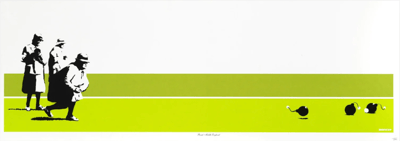
Bomb Middle England (Unsigned), 2002
Limited Edition Print
Screen-print
GBP 15,000 - 2,000

Banksy
Western Super Mare, 2003
Limited Edition Print
Screen-print
GBP 15,000 - 2,000

Banksy
Napalm, 2004
Limited Edition Print
Screen-print
GBP 32,000 - 38,000

Banksy
Donuts - Strawberry, 2009
Limited Edition Print
Screen-print
Inquire For Price

Banksy
Gangsta Rat (Unsigned), 2004
Limited Edition Print
Screen-print
GBP 18,000 - 23,000

Banksy
CND Soldiers (Unsigned), 2005
Limited Edition Print
Screen-print
GBP 14,000 - 18,200
Banksy
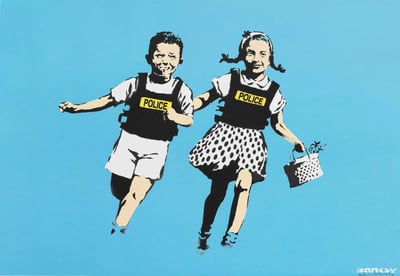
Jack & Jill, 2005
Limited Edition Print
Screen-print
GBP 33,000 - 40,000
Banksy
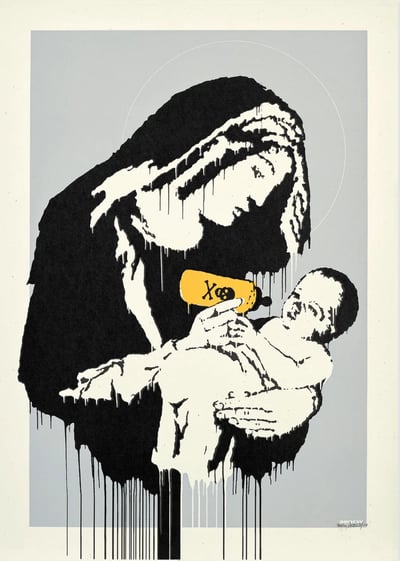
Toxic Mary, 2003
Limited Edition Print
Screen-print
GBP 34,000 - 42,000
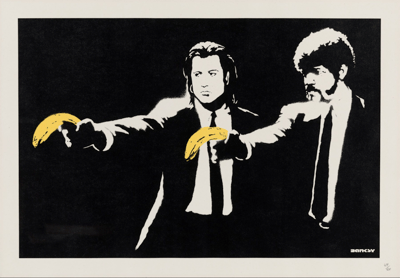
Banksy
Pulp Fiction, 2004
Limited Edition Print
Screen-print
Inquire For Price
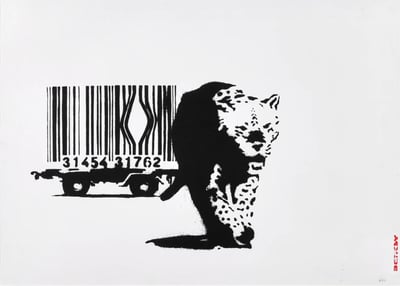
Banksy
Barcode (unsigned), 2004
Limited Edition Print
Screen-print
EUR 25,000 - 30,000
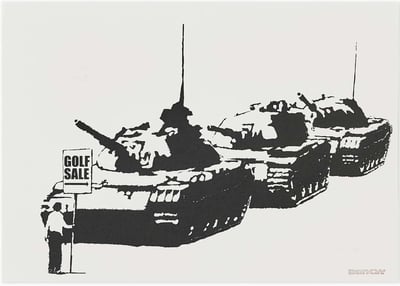
Banksy
Golf Sale (Unsigned), 2003
Limited Edition Print
Screen-print
GBP 14,300

Banksy
Trolleys (Black & White Unsigned), 2007
Limited Edition Print
Screen-print
GBP 14,870
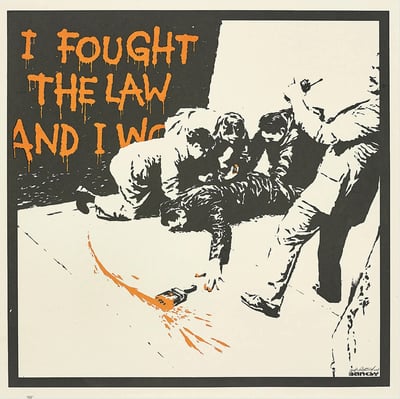
Banksy
I Fought The Law, 2004
Limited Edition Print
Screen-print
Inquire For Price
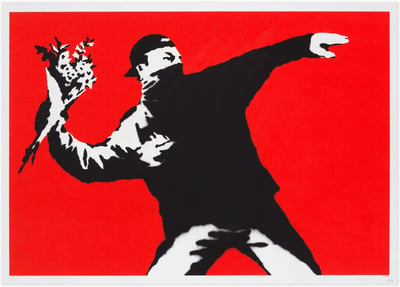
Banksy
Love Is In The Air (Unsigned), 2003
Limited Edition Print
Screen-print
Inquire For Price
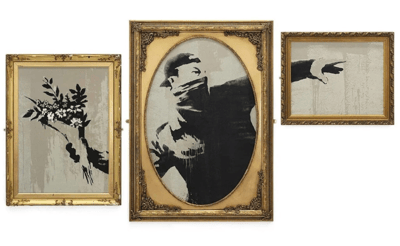
Banksy
Thrower Triptych (VIP), 2019
Limited Edition Print
Screen-print
Inquire For Price

Banksy
No Ball Games - grey, 2009
Limited Edition Print
Screen-print
GBP 70,000 - 80,000

Banksy
Laugh Now (unsigned), 2003
Limited Edition Print
Screen-print
GBP 40,000 - 55,000

Banksy
Precision Bombing, 2000
Limited Edition Print
Mixed Media
GBP 250,000 - 280,000
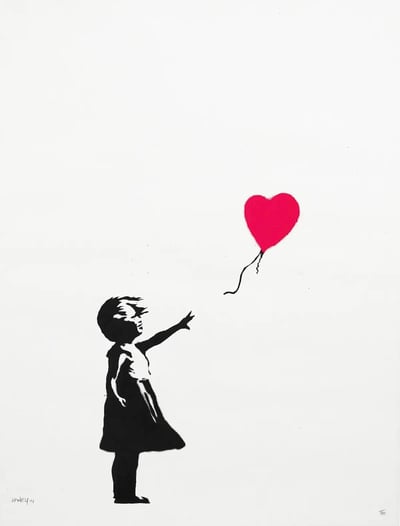
Banksy
Girl With A Balloon, 2004
Limited Edition Print
Screen-print
GBP 240,000 - 270,000

Banksy
Trolley Hunters, 2007
Limited Edition Print
Screen-print
GBP 30,000 - 40,000
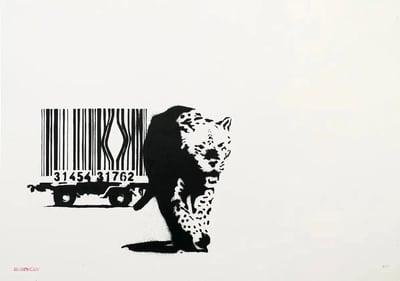
Banksy
Barcode, 2004
Limited Edition Print
Screen-print
GBP 70,000 - 90,000
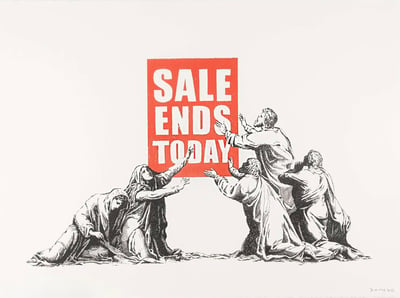
Banksy
Sale Ends (v2), 2017
Limited Edition Print
Screen-print
GBP 35,000 - 45,000

Banksy
Four Soup Cans - Gold on Cream, 2005
Limited Edition Print
Screen-print
GBP 40,000 - 60,000
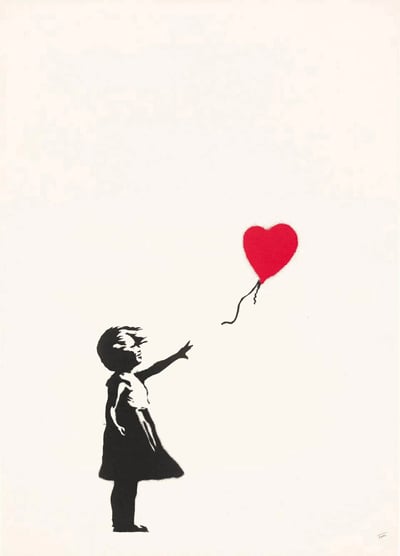
Banksy
Girl With A Balloon (unsigned), 2004
Limited Edition Print
Screen-print
GBP 90,000 - 110,000
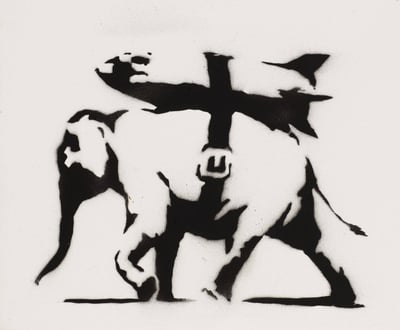
Banksy
Heavy Weaponry, 2004
Limited Edition Print
Mixed Media
GBP 150,000 - 170,000

Banksy
Pulp Fiction (unsigned), 2004
Limited Edition Print
Screen-print
GBP 40,000 - 50,000

Banksy
Morons (Sepia), 2007
Limited Edition Print
Screen-print
USD 80,000 - 95,000

Banksy
Turf war , 2003
Limited Edition Print
Screen-print
GBP 34,800
Related Artists
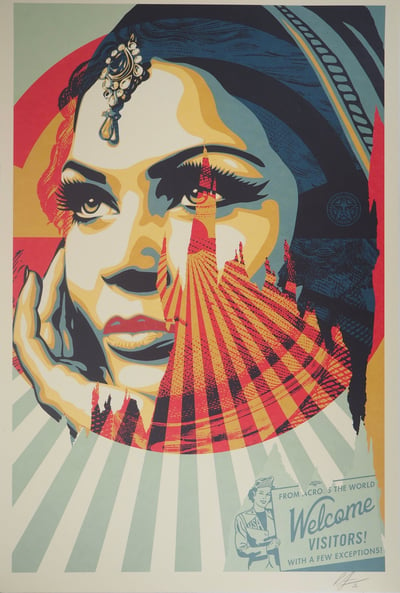

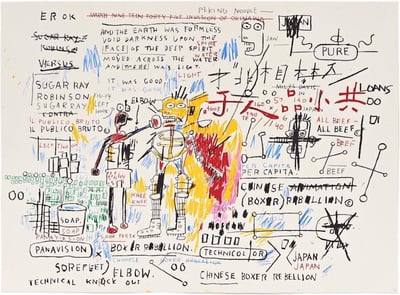

What is Lettrism?
Lettrism is an art form that uses letters, words, and symbols to create artwork. The movement was established in Paris in the 1940s and later gained popularity in the 1950s in America. Lettrisme is the French spelling of the movement's name, derived from the French word for letter.

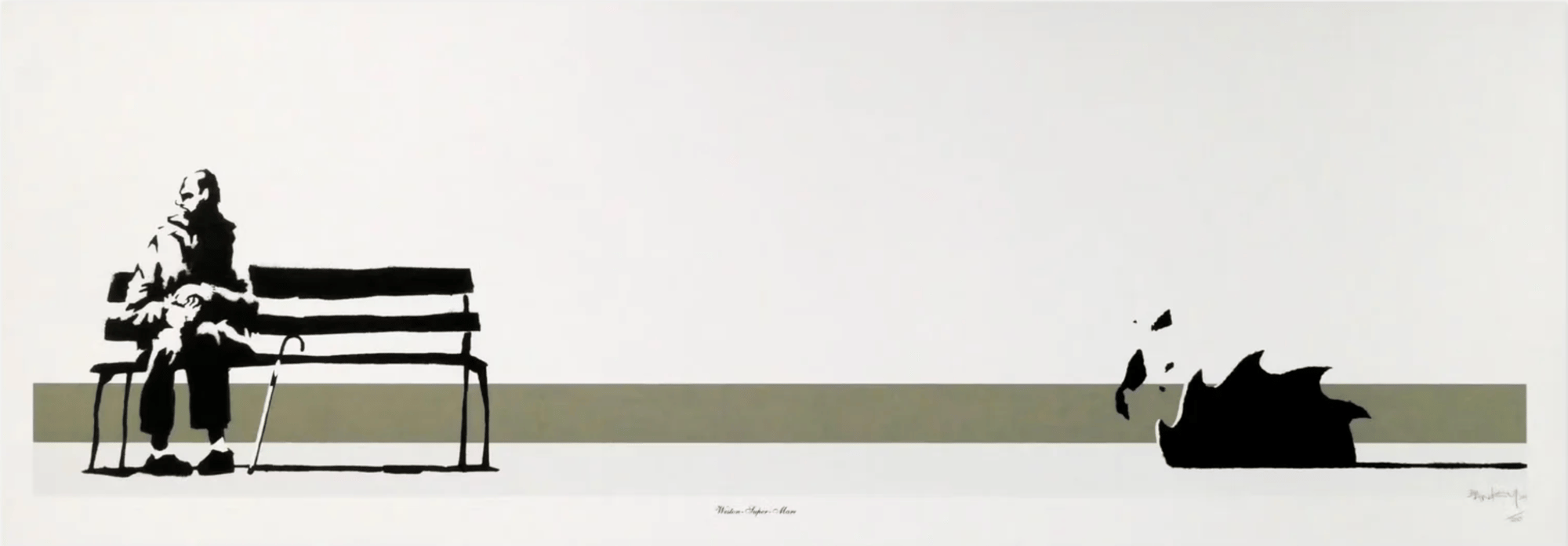
Banksy
Western Super Mare, 2003
35 x 100 cm


