
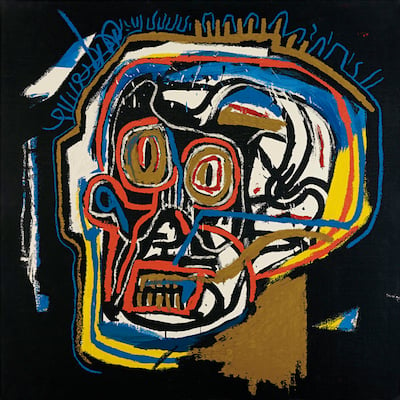
What is Street art?
- Show All
- Established
- Discoveries
- Show All
Artworks Related to Street Art

KAWS
Blame Game, 2014
Limited Edition Print
Screen-print
USD 190,000 - 200,000
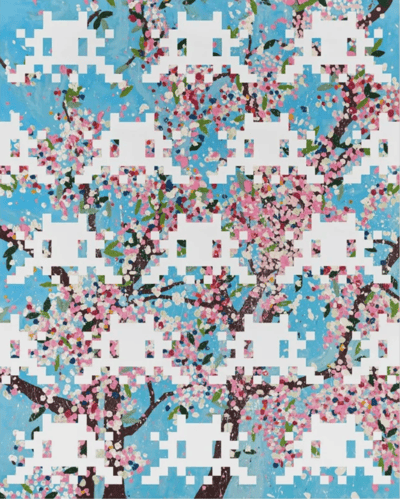
Invader
Invaded Blossom, 2026
Limited Edition Print
Giclée printing
EUR 6,500 - 9,000
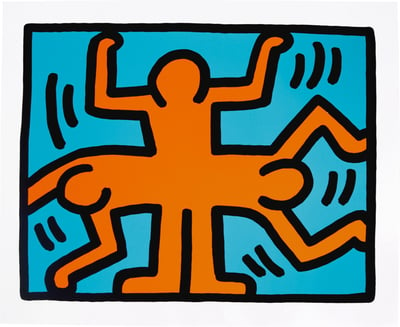
Keith Haring
Pop Shop VI , 1989
Limited Edition Print
Screen-print
EUR 17,750
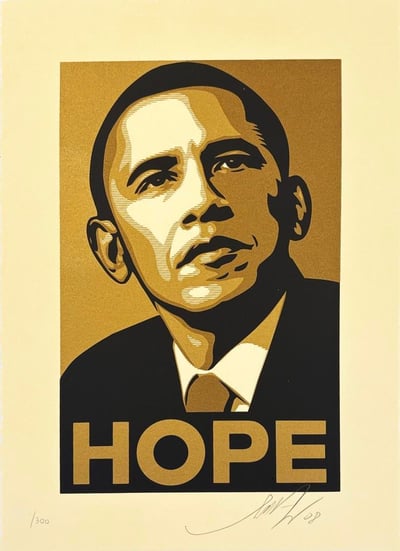
Shepard Fairey
Obama Hope Gold, 2008
Limited Edition Print
Screen-print
Inquire For Price
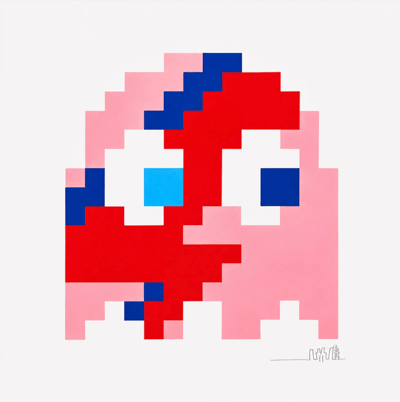
Invader
Aladdin Sane (Pinky), 2014
Limited Edition Print
Screen-print
Currently Not Available
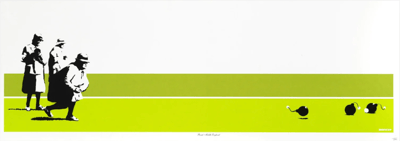
Banksy
Bomb Middle England (Unsigned), 2002
Limited Edition Print
Screen-print
GBP 15,000 - 2,000

Banksy
Western Super Mare, 2003
Limited Edition Print
Screen-print
GBP 15,000 - 2,000

Banksy
Napalm, 2004
Limited Edition Print
Screen-print
GBP 32,000 - 38,000

Nicolas Party
Untitled, Red Portrait, 2017
Painting
Watercolor
GBP 50,000 - 60,000

Nicolas Party
Untitled (portrait), 2014
Painting
Watercolor
GBP 23,000 - 29,900
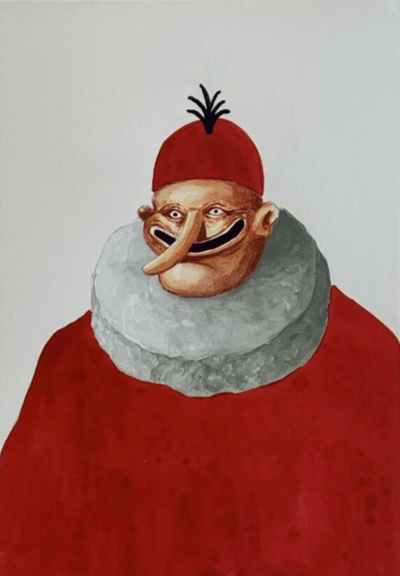
Nicolas Party
Untitled (face), 2015
Painting
Watercolor
GBP 35,000 - 45,500
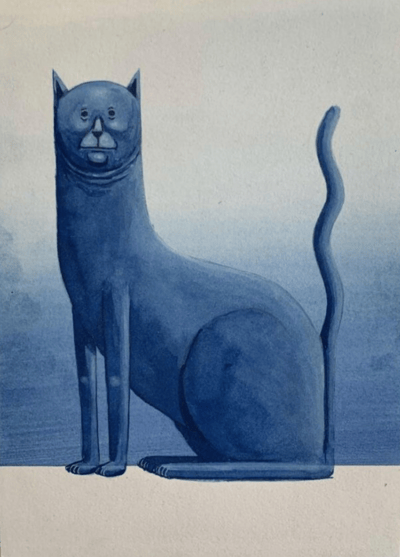
Nicolas Party
Untitled (cat), 2017
Painting
Watercolor
GBP 37,500 - 50,000

Banksy
Donuts - Strawberry, 2009
Limited Edition Print
Screen-print
Inquire For Price
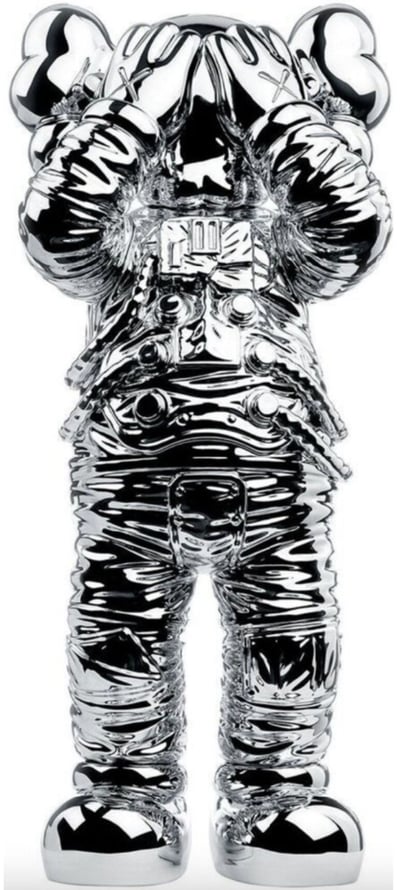
KAWS
Holiday Space: 11.5, 2020
Sculpture / Object
Mixed Media
GBP 3,500
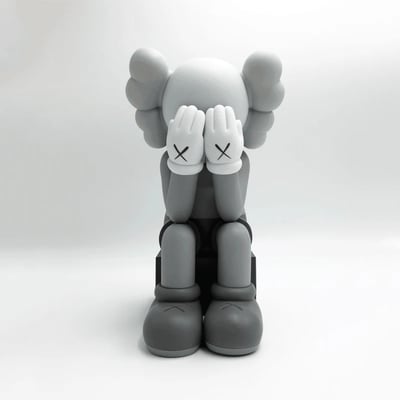
KAWS
Passing Through (Mono), 2013
Sculpture / Object
Mixed Media
GBP 1,950

KAWS
Lost Time, Alone Again, Far Far Down, 2018
Limited Edition Print
Screen-print
GBP 40,000 - 50,000
Related Articles
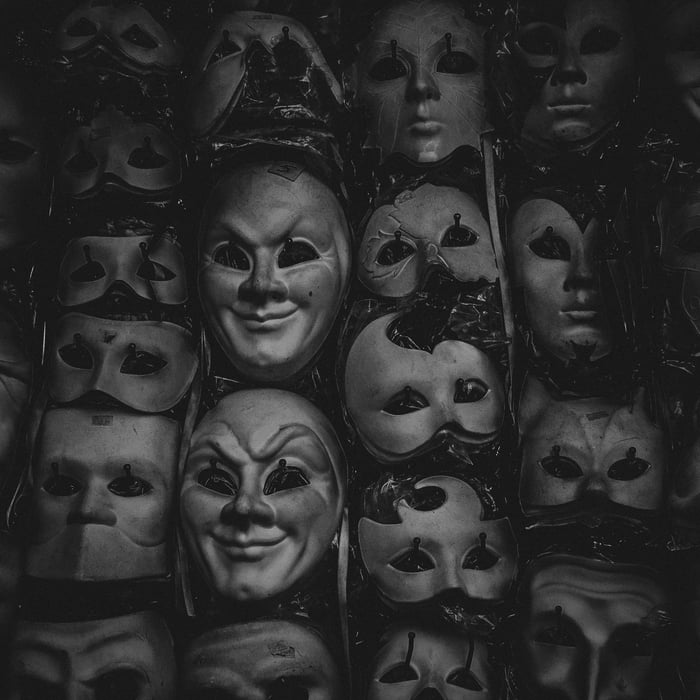

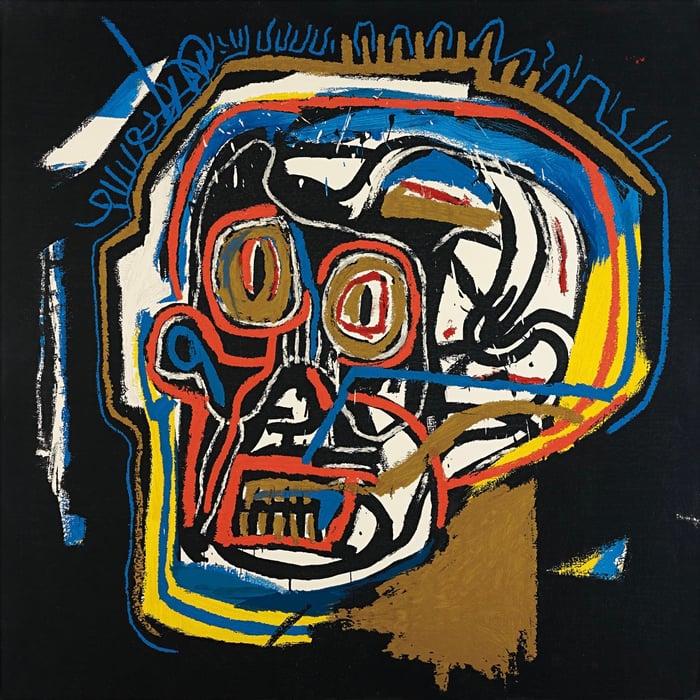

Colour Field Painting is an abstract style characterized by large areas of a single color or simple, solid colors. The term was first used in the 1950s to describe the work of three American Abstract Expressionist painters—Barnett Newman, Mark Rothko, and Clyfford Still. Their work emphasized the emotional power of color and the creation of vast, meditative spaces through expansive color fields.

Figuration Libre is an art movement that is equivalent to the French Bad Painting and Neo-Expressionism in Europe and America. The term was coined by Ben Vautier and the Fluxus movement. In 1981, Robert Combas, François Boisrond, Hervé Di Rosa, and Rémi Blanchard formed the Figuration Libre group. The term can be interpreted as free style art, emphasizing spontaneity, freedom, and a rejection of traditional artistic conventions.

Graffiti art refers to drawings and writings that are painted, scratched, or scribbled on walls or other surfaces, typically in public spaces. This art form ranges from small tags to elaborate wall paintings. Graffiti has been in existence since ancient times, with examples dating back to the Roman Empire, Ancient Greece, and Ancient Egypt.
Can't find your Answer?
Thank you! Your question has been sent — we'll get back to you shortly.
