

Untitled (cat), 2017
Form
Medium
Size
- Inches
- Centimeters
Edition
Price
- Authenticity Guaranteed
- Insured Shipping
- Online Since 2005

Nicolas Party
Untitled, Red Portrait, 2017
Painting
Watercolor
GBP 50,000 - 60,000

Nicolas Party
Untitled (portrait), 2014
Painting
Watercolor
GBP 23,000 - 29,900
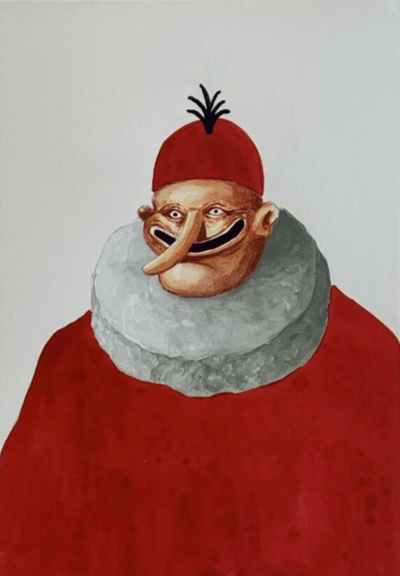
Nicolas Party
Untitled (face), 2015
Painting
Watercolor
GBP 35,000 - 45,500
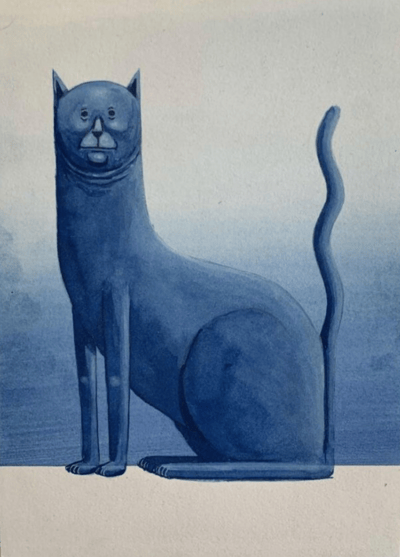
Nicolas Party
Untitled (cat), 2017
Painting
Watercolor
GBP 37,500 - 50,000

Nicolas Party
Untitled (Teapot), 2010
Drawing / Watercolor
Graphite
Inquire For Price

Nicolas Party
Elephant, 2012
Sculpture / Object
Mixed Media
Inquire For Price
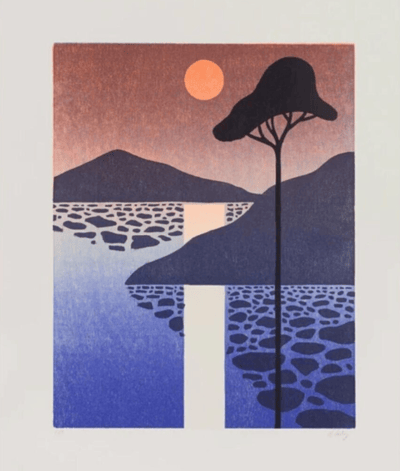
Nicolas Party
Sunset, 2021
Limited Edition Print
Woodcut
GBP 7,000 - 10,000

Nicolas Party
Portrait With Shells, 2021
Limited Edition Print
Woodcut
GBP 5,000 - 7,000

Nicolas Party
Purple Peaches, 2024
Limited Edition Print
Screen-print
GBP 6,000 - 10,000

Nicolas Party
Untitled (Artist's Blanket), 2017
Tapestry
Tapestry
USD 2,500

Nicolas Party
Trees, 2020
Limited Edition Print
Woodcut
GBP 6,000

Nicolas Party
Untitled Blue, 2016
Limited Edition Print
Mixed Media
GBP 4,850

Nicolas Party
Untitled Green, 2016
Limited Edition Print
Mixed Media
GBP 4,850

Nicolas Party
Flowers and few colors, 2013
Limited Edition Print
Screen-print
USD 9,000 - 12,000
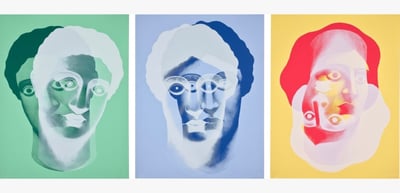
Nicolas Party
Karma Series of Portraits, 2017
Limited Edition Print
Screen-print
GBP 25,000 - 30,000

Nicolas Party
Portrait for RXArt Children's Hospital Commission, 2019
Limited Edition Print
Screen-print
Inquire For Price

Nicolas Party
Portrait With A Mustache, 2013
Limited Edition Print
Mixed Media
Inquire For Price
Related Artists

What is figurative art?
Sometimes known as Figurativism, figurative art refers to sculptures and paintings that are clearly or specifically derived from real objects, making them representational. The term figurative art is often used in contrast to abstract art. However, since the emergence of abstract art, figurative art has come to describe any form of modern art that has strong references to the real world or actual situations.

Nicolas Party
Untitled (cat), 2017
18 x 13.5 cm


