

Cloned pistachio dog with plastic boots, 2008
Form
Medium
Size
- Inches
- Centimeters
Edition
Price
- USD
- EUR
- GBP
- CHF
- Authenticity Guaranteed
- Insured Shipping
- Online Since 2005

William Sweetlove
Gratful Dead Dancing Bear, 2023
Sculpture / Object
Resin
USD 25,000
William Sweetlove
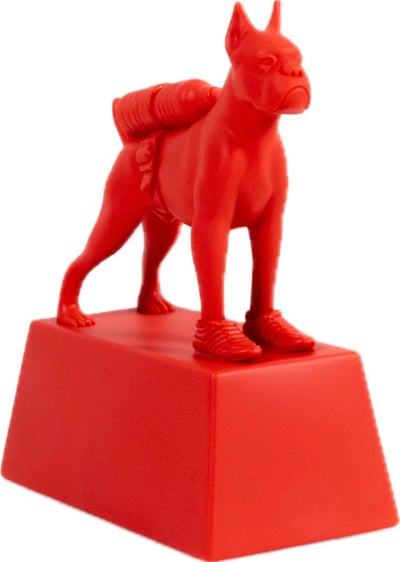
Water Warrior Red, 2022
Sculpture / Object
Plastic
USD 320
William Sweetlove
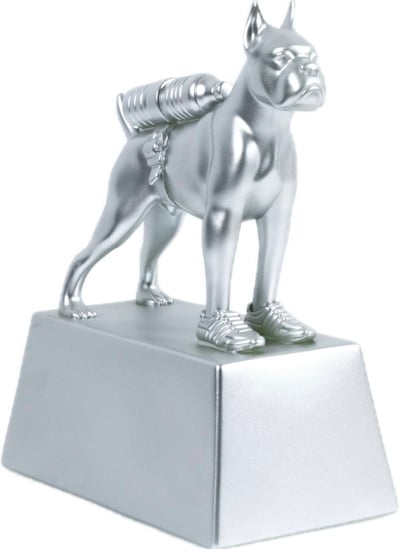
Water Warrior Silver, 2022
Sculpture / Object
Plastic
USD 320

William Sweetlove
Cloned Schnauzer with water bottle, 2019
Sculpture / Object
Plastic
EUR 600
William Sweetlove
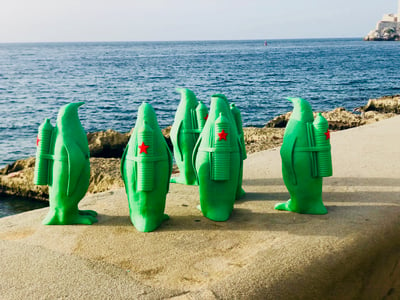
Cuban Cloned Penguin, 2020
Sculpture / Object
Plastic
EUR 500

William Sweetlove
Cloned Chihuahua with shoes, 2008
Sculpture / Object
Object
EUR 1,750

William Sweetlove
Sunday Handbag, 2016
Sculpture / Object
Bronze
EUR 9,900
William Sweetlove
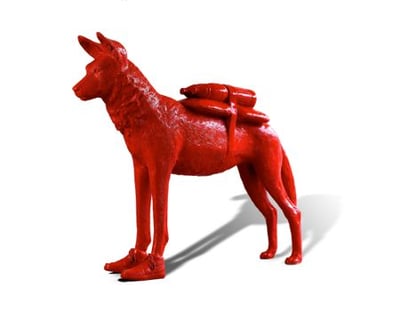
African dog with shoes and water bottles, 2011
Sculpture / Object
Resin
EUR 6,000 - 8,000
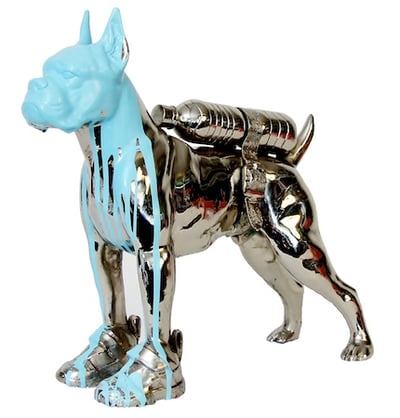
William Sweetlove
Cloned bronze bulldog with bottle water, 2011
Sculpture / Object
Bronze
EUR 6,000
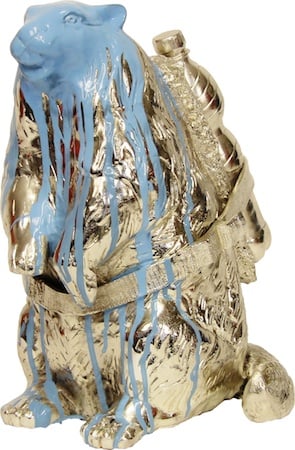
William Sweetlove
Cloned bronze marmot with bottle, 2011
Sculpture / Object
Bronze
EUR 5,000
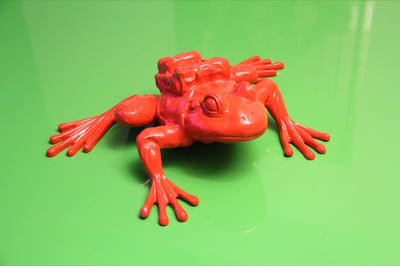
William Sweetlove
Cloned RED Aluminum FROG with backpack, 2011
Sculpture / Object
Metal
EUR 1,400
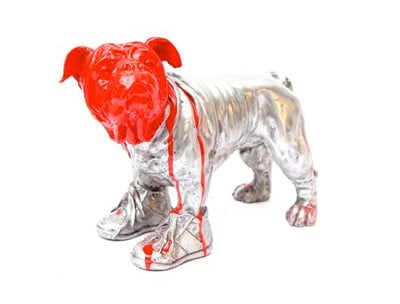
William Sweetlove
Cloned aluminum Bouly with red head, 2009
Sculpture / Object
Metal
EUR 4,000
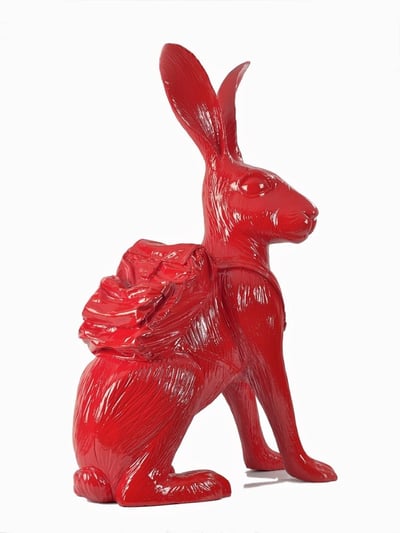
William Sweetlove
Cloned Hare with backpack, 2009
Sculpture / Object
Resin
EUR 10,000
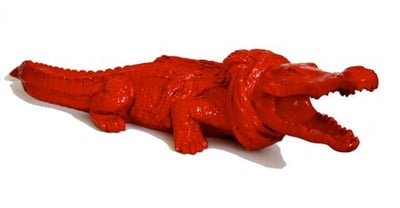
William Sweetlove
Cloned Krocky with scarf, 2009
Sculpture / Object
Resin
EUR 3,000
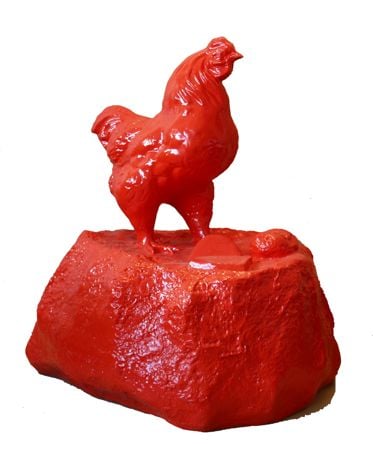
William Sweetlove
Cloned red chicken on a rock, 2005
Sculpture / Object
Resin
EUR 2,500
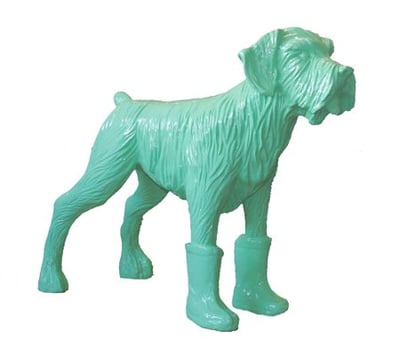
William Sweetlove
Cloned pistachio dog with plastic boots, 2008
Sculpture / Object
Resin
EUR 2,500

William Sweetlove
Cloned black elephant with watercans, 2010-11
Sculpture / Object
Mixed Media
Currently Not Available
William Sweetlove
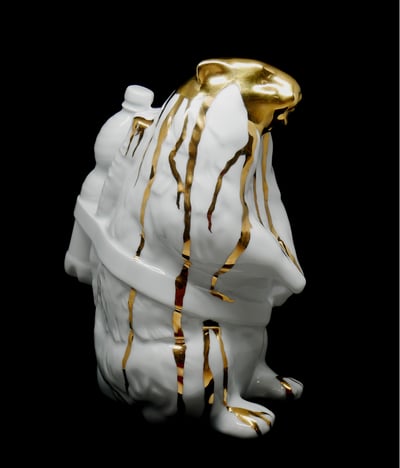
Cloned Marmot with Gold , 2018
Sculpture / Object
Porcelain
Currently Not Available
Related Artists


What is contemporary art?
Contemporary art refers to avant-garde or innovative art created in the recent past or present day. The exact starting point of contemporary art varies depending on the institution, often tied to the founding year of museums or galleries that showcase the style. Contemporary art is characterized by its focus on current ideas, diverse media, and the exploration of new concepts and techniques.



