Sweetlove, William | Cloned Marmot with Gold , 2018 — available on Composition Gallery
Series of 50 pieces, all numbered sold with a certificate of authenticity signed by Artist, delivered in a luxury box.
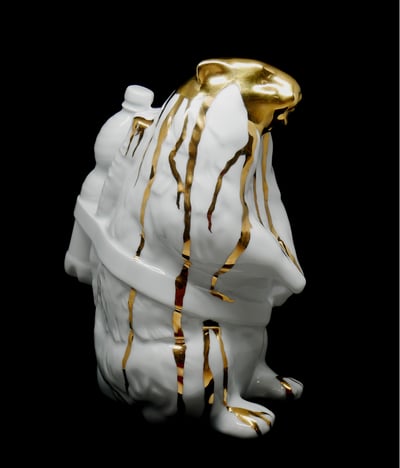
William Sweetlove’s Cloned Marmot with Gold (2018) is a porcelain sculpture, part of a limited edition of 50 pieces, each signed and accompanied by a certificate of authenticity. The sculpture portrays a marmot adorned with streaks of gleaming gold paint that flow down its white body, creating a striking contrast. This combination of natural form and luxurious metallic detailing suggests themes of preservation, cloning, and environmental intervention, characteristic of Sweetlove's work. The marmot’s distinct, almost surreal appearance invites reflection on humanity’s impact on nature and the artificiality imposed on living beings.
Artwork Copyright © William Sweetlove
William Sweetlove (Belgium, 1949) is a contemporary sculptor and member of the Cracking Art Group. His vibrant, often oversized animal sculptures, crafted from recycled materials, address themes of environmental sustainability and climate change. Sweetlove's works have been exhibited internationally, emphasizing the impact of human activity on nature.
Artwork Copyright © William Sweetlove

Cloned Marmot with Gold , 2018

Form

Medium

Edition

Price

Available works →
  • Authenticity Guaranteed
  • Insured Shipping
  • Online Since 2005
Inventory 5423
Signed
Comes with gallery invoice and certificate
Sell Us a Similar Artwork. Learn more.
Series of 50 pieces, all numbered sold with a certificate of authenticity signed by Artist, delivered in a luxury box.
William Sweetlove’s Cloned Marmot with Gold (2018) is a porcelain sculpture, part of a limited edition of 50 pieces, each signed and accompanied by a certificate of authenticity. The sculpture portrays a marmot adorned with streaks of gleaming gold paint that flow down its white body, creating a striking contrast. This combination of natural form and luxurious metallic detailing suggests themes of preservation, cloning, and environmental intervention, characteristic of Sweetlove's work. The marmot’s distinct, almost surreal appearance invites reflection on humanity’s impact on nature and the artificiality imposed on living beings.
Artwork Copyright © William Sweetlove
William Sweetlove (Belgium, 1949) is a contemporary sculptor and member of the Cracking Art Group. His vibrant, often oversized animal sculptures, crafted from recycled materials, address themes of environmental sustainability and climate change. Sweetlove's works have been exhibited internationally, emphasizing the impact of human activity on nature.
Artwork Copyright © William Sweetlove
Gratful Dead Dancing Bear

William Sweetlove

Gratful Dead Dancing Bear, 2023

Sculpture / Object

Resin

USD 25,000
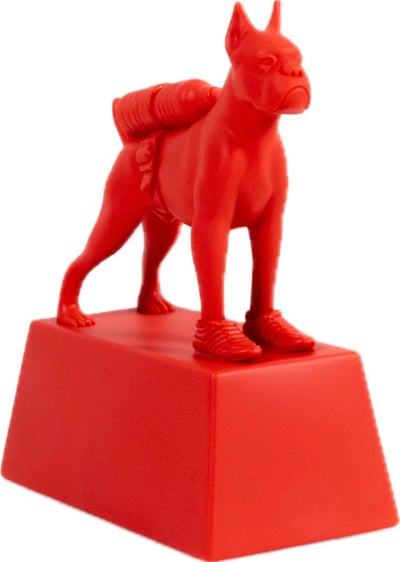
Water Warrior Red

William Sweetlove

Water Warrior Red, 2022

Sculpture / Object

Plastic

USD 320
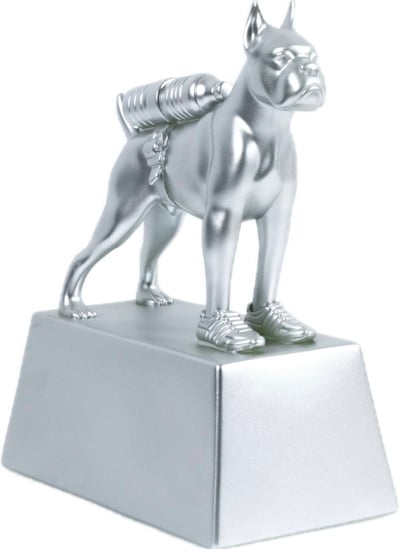
Water Warrior Silver

William Sweetlove

Water Warrior Silver, 2022

Sculpture / Object

Plastic

USD 320

Cloned Schnauzer with water bottle

William Sweetlove

Cloned Schnauzer with water bottle, 2019

Sculpture / Object

Plastic

EUR 600
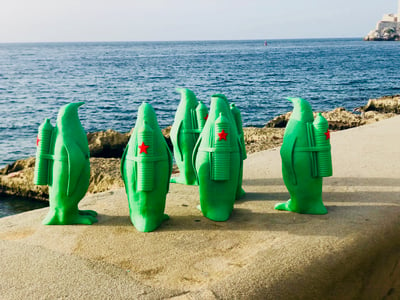
Cuban Cloned Penguin

William Sweetlove

Cuban Cloned Penguin, 2020

Sculpture / Object

Plastic

EUR 500

Cloned Chihuahua with shoes

William Sweetlove

Cloned Chihuahua with shoes, 2008

Sculpture / Object

Object

EUR 1,750

Sunday Handbag

William Sweetlove

Sunday Handbag, 2016

Sculpture / Object

Bronze

EUR 9,900
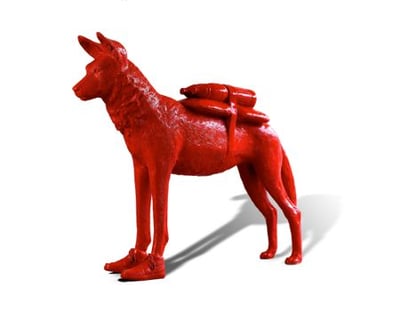
African dog with shoes and water bottles

William Sweetlove

African dog with shoes and water bottles, 2011

Sculpture / Object

Resin

EUR 6,000 - 8,000
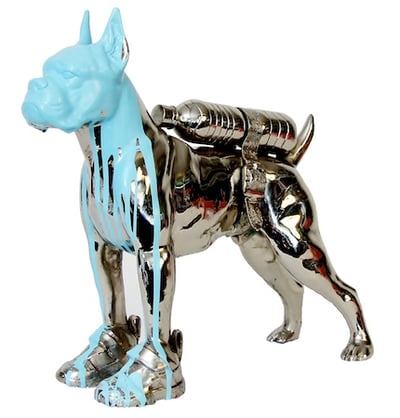
Cloned bronze bulldog with bottle water

William Sweetlove

Cloned bronze bulldog with bottle water, 2011

Sculpture / Object

Bronze

EUR 6,000
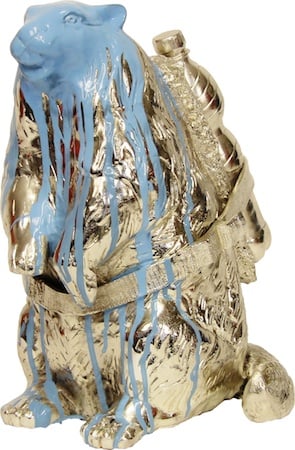
Cloned bronze marmot with bottle

William Sweetlove

Cloned bronze marmot with bottle, 2011

Sculpture / Object

Bronze

EUR 5,000
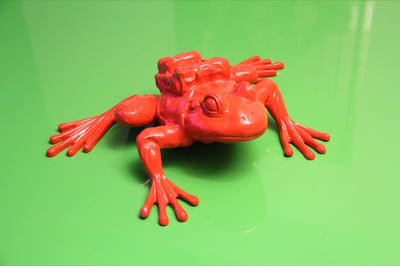
Cloned RED Aluminum FROG with backpack

William Sweetlove

Cloned RED Aluminum FROG with backpack, 2011

Sculpture / Object

Metal

EUR 1,400
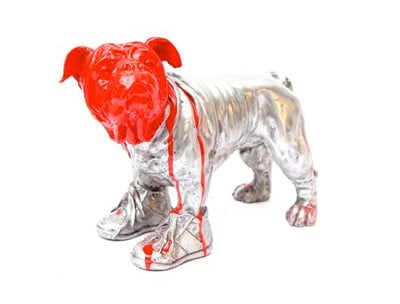
Cloned aluminum Bouly with red head

William Sweetlove

Cloned aluminum Bouly with red head, 2009

Sculpture / Object

Metal

EUR 4,000
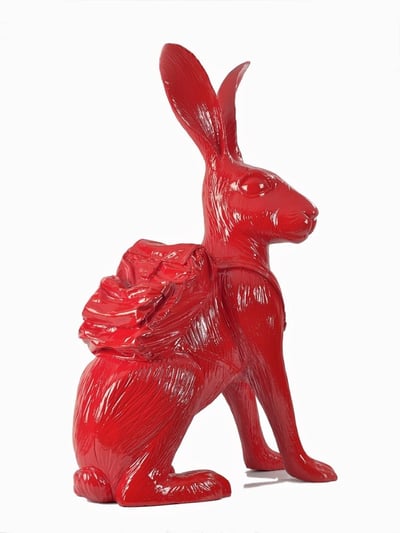
Cloned Hare with backpack

William Sweetlove

Cloned Hare with backpack, 2009

Sculpture / Object

Resin

EUR 10,000
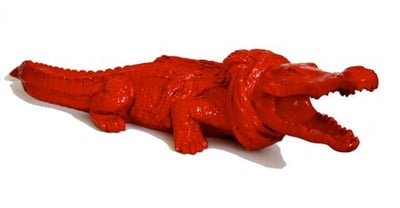
Cloned Krocky with scarf

William Sweetlove

Cloned Krocky with scarf, 2009

Sculpture / Object

Resin

EUR 3,000
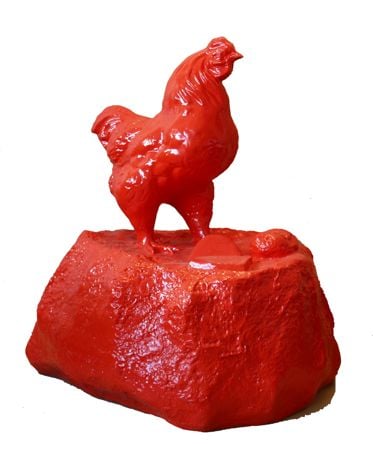
Cloned red chicken on a rock

William Sweetlove

Cloned red chicken on a rock, 2005

Sculpture / Object

Resin

EUR 2,500
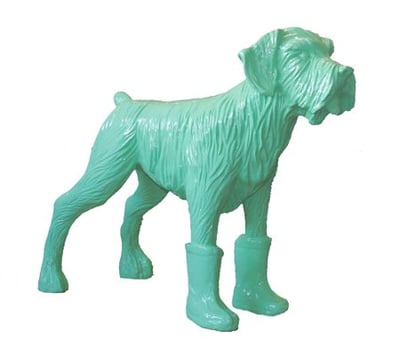
Cloned pistachio dog with plastic boots

William Sweetlove

Cloned pistachio dog with plastic boots, 2008

Sculpture / Object

Resin

EUR 2,500

Cloned black elephant with watercans

William Sweetlove

Cloned black elephant with watercans, 2010-11

Sculpture / Object

Mixed Media

Currently Not Available
Cloned Marmot with Gold

William Sweetlove

Cloned Marmot with Gold , 2018

Sculpture / Object

Porcelain

Currently Not Available

Available works by William Sweetlove

See all →
Gratful Dead Dancing Bear

William Sweetlove

Gratful Dead Dancing Bear, 2023

Sculpture / Object

Resin

USD 25,000

Water Warrior Red

William Sweetlove

Water Warrior Red, 2022

Sculpture / Object

Plastic

USD 320

Water Warrior Silver

William Sweetlove

Water Warrior Silver, 2022

Sculpture / Object

Plastic

USD 320

Cloned Schnauzer with water bottle

William Sweetlove

Cloned Schnauzer with water bottle, 2019

Sculpture / Object

Plastic

EUR 600

Cuban Cloned Penguin

William Sweetlove

Cuban Cloned Penguin, 2020

Sculpture / Object

Plastic

EUR 500

Cloned Chihuahua with shoes

William Sweetlove

Cloned Chihuahua with shoes, 2008

Sculpture / Object

Object

EUR 1,750

Stay Updated on William Sweetlove

Subscribe to receive updates on new artworks, exhibitions and news about William Sweetlove.

We respect your privacy and protect your information.
What is Kitsch?

What is Kitsch?

Kitsch is a term used to describe cheap, commercial, sentimental, or vulgar art and objects commonly associated with popular culture. The word is borrowed from German, where it originally means trash. Since the 1920s, kitsch has been used to denote the opposite of high art, often implying that the work lacks sophistication or artistic merit.


Est. 2005 — twenty years of collecting, online.