

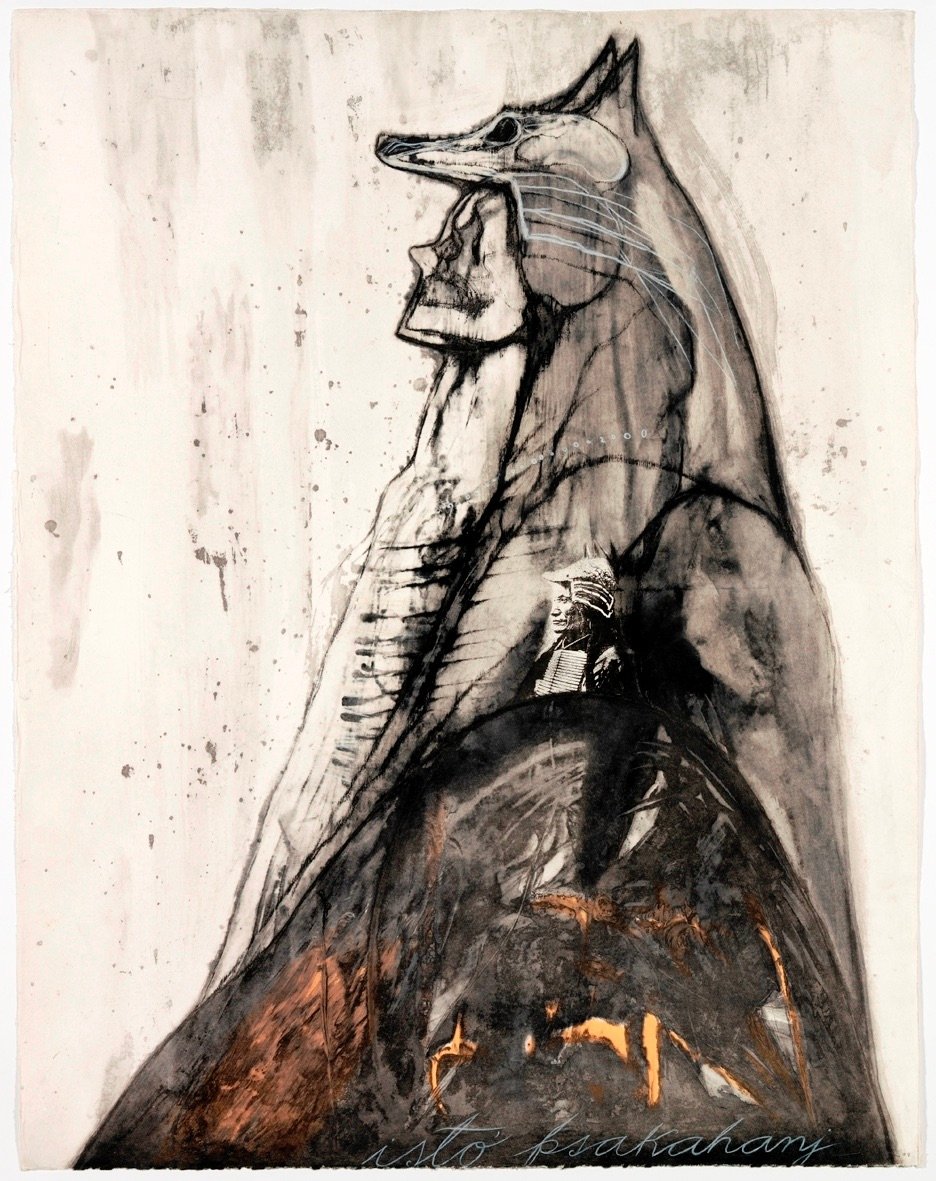
// José Bedia’s Isto psakahanj (2008) is a powerful etching that reflects the artist’s deep engagement with indigenous and spiritual themes. This limited edition print features a striking fusion of human and animal forms, depicting a figure with the head of a wolf or coyote enveloping a human figure. The monochromatic tones, accented with earthy browns and blacks, lend a raw, primal energy to the piece. Bedia’s work often explores themes of transformation, shamanism, and cultural identity, and Isto psakahanj encapsulates these elements, invoking a sense of mysticism and the connection between humanity and the natural world. The piece invites viewers to reflect on the intersection of spirit and form, a recurring motif in Bedia’s art.
Artwork Copyright © José BediaJosé Bedia (Cuba, 1959) is a Cuban contemporary artist whose work bridges African, Caribbean, and indigenous spiritual traditions. Known for his dynamic paintings and installations, Bedia explores themes of migration, ritual, and cultural identity. His art is showcased in prestigious collections worldwide, including the Museum of Modern Art in New York and the Smithsonian Institution.
Artwork Copyright © José BediaIsto psakahanj, 2008
Form
Medium
Size
- Inches
- Centimeters
Edition
Price
- USD
- EUR
- GBP
- CHF
- Authenticity Guaranteed
- Insured Shipping
- Online Since 2005
●Inventory 2800
●Signed
●Comes with gallery invoice and certificate
●Any questions?
// José Bedia’s Isto psakahanj (2008) is a powerful etching that reflects the artist’s deep engagement with indigenous and spiritual themes. This limited edition print features a striking fusion of human and animal forms, depicting a figure with the head of a wolf or coyote enveloping a human figure. The monochromatic tones, accented with earthy browns and blacks, lend a raw, primal energy to the piece. Bedia’s work often explores themes of transformation, shamanism, and cultural identity, and Isto psakahanj encapsulates these elements, invoking a sense of mysticism and the connection between humanity and the natural world. The piece invites viewers to reflect on the intersection of spirit and form, a recurring motif in Bedia’s art.
Artwork Copyright © José BediaJosé Bedia (Cuba, 1959) is a Cuban contemporary artist whose work bridges African, Caribbean, and indigenous spiritual traditions. Known for his dynamic paintings and installations, Bedia explores themes of migration, ritual, and cultural identity. His art is showcased in prestigious collections worldwide, including the Museum of Modern Art in New York and the Smithsonian Institution.
Artwork Copyright © José BediaAvailability
SORT BY

José Bedia
Güije espíritu burlón, 2009
Limited Edition Print
Etching
EUR 1,800

José Bedia
Sunka Wakan, 2007
Limited Edition Print
Etching
EUR 1,800

José Bedia
Otra temporada, 2008
Limited Edition Print
Etching
EUR 1,800

José Bedia
Mbele mboba, 1997
Limited Edition Print
Etching
EUR 1,800
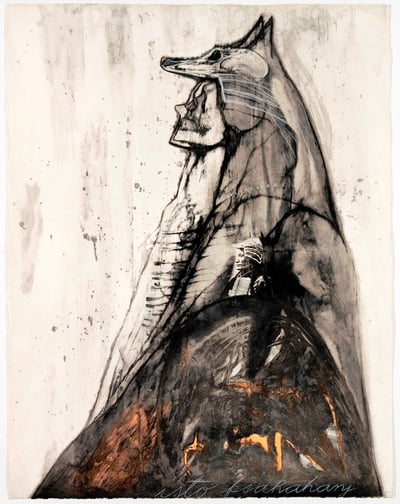
José Bedia
Isto psakahanj, 2008
Limited Edition Print
Etching
EUR 2,000
Related Artists

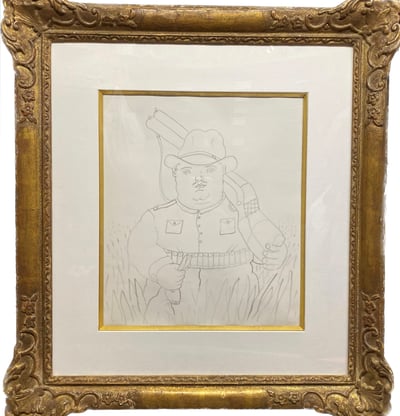
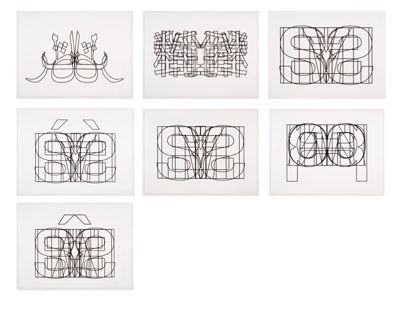
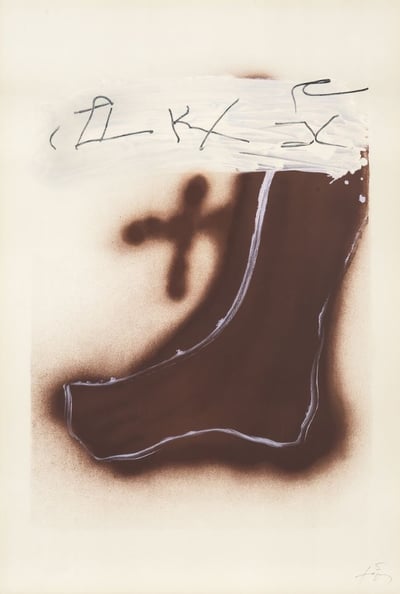

Artwork by Carlos Cruz-Diez
What is Latin American art?
Latin American Art is a style which takes inspiration from its culture, society, politics, native traditions, religions and landscape. Op-Art and Kinetic Art figure prominently in Latin artworks. Colors in Latin American compositions are often bold. Latin American artists work in all media and movements.

José Bedia
Isto psakahanj, 2008
115 x 89 cm


