

Sunka Wakan (2007) by José Bedia is an etching and engraving measuring 88 × 114 cm, part of an edition of 50. The composition features silhouetted figures on horseback set beneath a monumental, semi-transparent outline of a larger horse dominating the upper register. The title, which translates from Lakota as "sacred dog"—a traditional term for horse—reflects Bedia’s deep engagement with Indigenous American cosmology and spirituality. Rendered with raw lines and an earthy palette, the work blends narrative, myth, and ritual, capturing the symbolic weight of the horse as a conduit between the earthly and the spiritual.
Artwork Copyright © José BediaJosé Bedia (Cuba, 1959) is a Cuban contemporary artist whose work bridges African, Caribbean, and indigenous spiritual traditions. Known for his dynamic paintings and installations, Bedia explores themes of migration, ritual, and cultural identity. His art is showcased in prestigious collections worldwide, including the Museum of Modern Art in New York and the Smithsonian Institution.
Artwork Copyright © José BediaSunka Wakan, 2007
Form
Medium
Size
- Inches
- Centimeters
Edition
Price
- USD
- EUR
- GBP
- CHF
- Authenticity Guaranteed
- Insured Shipping
- Online Since 2005
●Inventory 16356
●Signed
●Comes with gallery invoice and certificate
●Sell Us a Similar Artwork. Learn more.
Sunka Wakan (2007) by José Bedia is an etching and engraving measuring 88 × 114 cm, part of an edition of 50. The composition features silhouetted figures on horseback set beneath a monumental, semi-transparent outline of a larger horse dominating the upper register. The title, which translates from Lakota as "sacred dog"—a traditional term for horse—reflects Bedia’s deep engagement with Indigenous American cosmology and spirituality. Rendered with raw lines and an earthy palette, the work blends narrative, myth, and ritual, capturing the symbolic weight of the horse as a conduit between the earthly and the spiritual.
Artwork Copyright © José BediaJosé Bedia (Cuba, 1959) is a Cuban contemporary artist whose work bridges African, Caribbean, and indigenous spiritual traditions. Known for his dynamic paintings and installations, Bedia explores themes of migration, ritual, and cultural identity. His art is showcased in prestigious collections worldwide, including the Museum of Modern Art in New York and the Smithsonian Institution.
Artwork Copyright © José BediaAvailability
SORT BY

José Bedia
Güije espíritu burlón, 2009
Limited Edition Print
Etching
EUR 1,800

José Bedia
Sunka Wakan, 2007
Limited Edition Print
Etching
EUR 1,800

José Bedia
Otra temporada, 2008
Limited Edition Print
Etching
EUR 1,800

José Bedia
Mbele mboba, 1997
Limited Edition Print
Etching
EUR 1,800
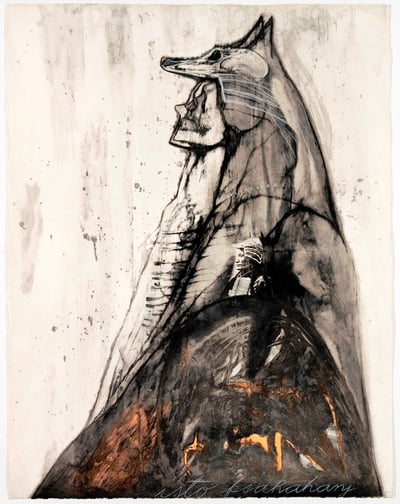
José Bedia
Isto psakahanj, 2008
Limited Edition Print
Etching
EUR 2,000
Related Artists

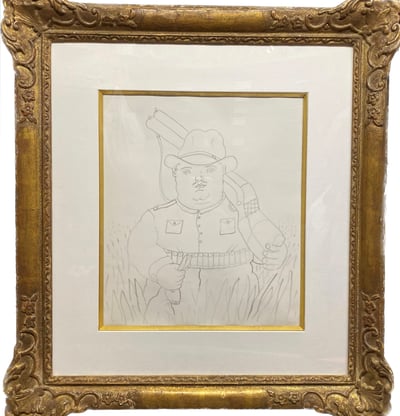
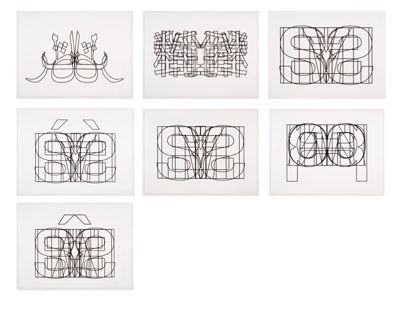
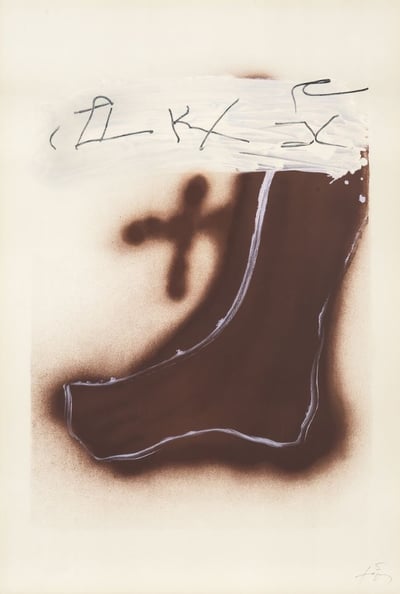

Artwork by Carlos Cruz-Diez
What is Latin American art?
Latin American Art is a style which takes inspiration from its culture, society, politics, native traditions, religions and landscape. Op-Art and Kinetic Art figure prominently in Latin artworks. Colors in Latin American compositions are often bold. Latin American artists work in all media and movements.


José Bedia
Sunka Wakan, 2007
88 x 114 cm


