


// Bullfinch and Weeping Cherry by Vik Muniz is a striking C-print photograph that juxtaposes natural elegance with meticulous detail. Set against a deep blue background, branches of a weeping cherry tree adorned with clusters of delicate white blossoms frame a perched bullfinch. The vibrant colors and intricate composition echo the aesthetics of traditional Japanese woodblock prints, blending photographic realism with artistic interpretation. Muniz’s work often explores themes of perception and beauty, and this piece, with its serene yet detailed portrayal of nature, invites viewers to appreciate the harmony and subtle contrasts within natural forms.
Artwork Copyright © Vik MunizVik Muniz (Brazil, 1961) is a celebrated contemporary artist known for his innovative use of unconventional materials like chocolate, garbage, and thread. He recreates iconic images with these mediums, blurring the line between high art and everyday objects. Muniz’s works explore perception, memory, and the relationship between art and reality.
Artwork Copyright © Vik MunizBullfinch and weeping cherry, 2010
Form
Medium
Size
- Inches
- Centimeters
Edition
Price
- USD
- EUR
- GBP
- CHF
- Authenticity Guaranteed
- Insured Shipping
- Online Since 2005
●Inventory 1810
●Signed
●Comes with gallery invoice and certificate
●Any questions?
// Bullfinch and Weeping Cherry by Vik Muniz is a striking C-print photograph that juxtaposes natural elegance with meticulous detail. Set against a deep blue background, branches of a weeping cherry tree adorned with clusters of delicate white blossoms frame a perched bullfinch. The vibrant colors and intricate composition echo the aesthetics of traditional Japanese woodblock prints, blending photographic realism with artistic interpretation. Muniz’s work often explores themes of perception and beauty, and this piece, with its serene yet detailed portrayal of nature, invites viewers to appreciate the harmony and subtle contrasts within natural forms.
Artwork Copyright © Vik MunizVik Muniz (Brazil, 1961) is a celebrated contemporary artist known for his innovative use of unconventional materials like chocolate, garbage, and thread. He recreates iconic images with these mediums, blurring the line between high art and everyday objects. Muniz’s works explore perception, memory, and the relationship between art and reality.
Artwork Copyright © Vik MunizAvailability
Size
Form
Medium
SORT BY

Vik Muniz
Flora Industrialis B/N, 2026
Photography
Photograph
EUR 25,000
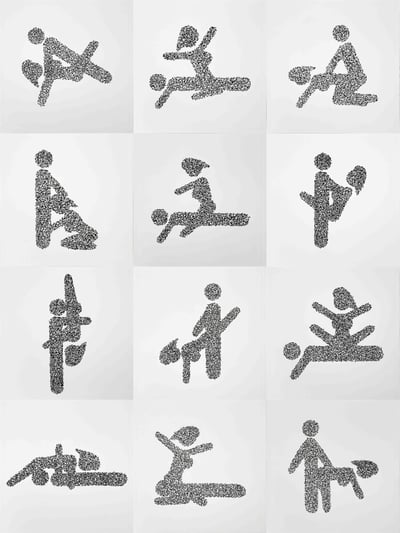
Vik Muniz
Love Bug Suite, 2014
Limited Edition Print
C-Print
Inquire For Price
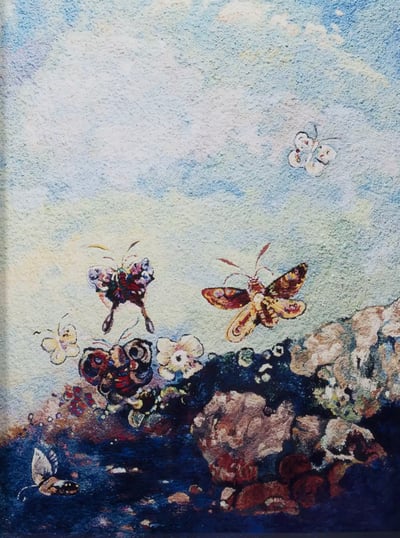
Vik Muniz
Butterflies, after Odilon Redon , 2006
Limited Edition Print
Mixed Media
USD 40,000 - 50,000
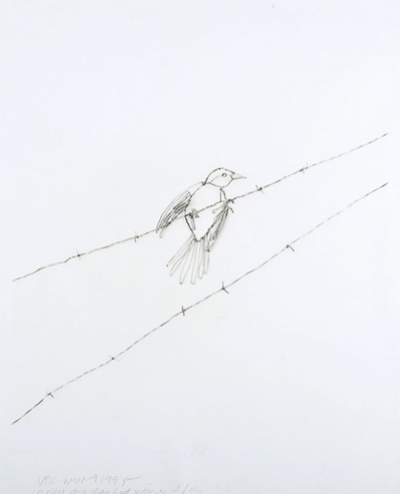
Vik Muniz
Vireo on Barbed Wire, 1995
Photography
Photograph
USD 6,200
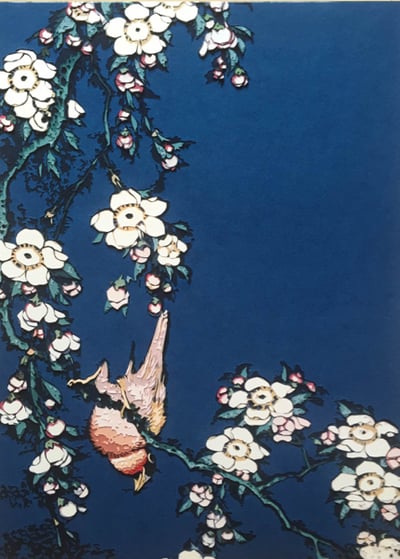
Vik Muniz
Bullfinch and weeping cherry, 2010
Photography
C-Print
EUR 6,500
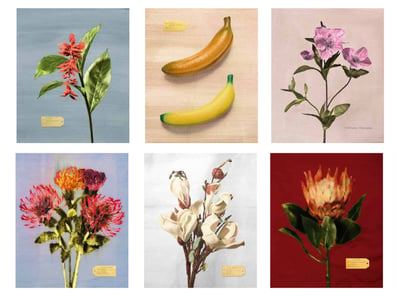
Vik Muniz
Flora Industrialis, 2024
Photography
Photograph
Currently Not Available
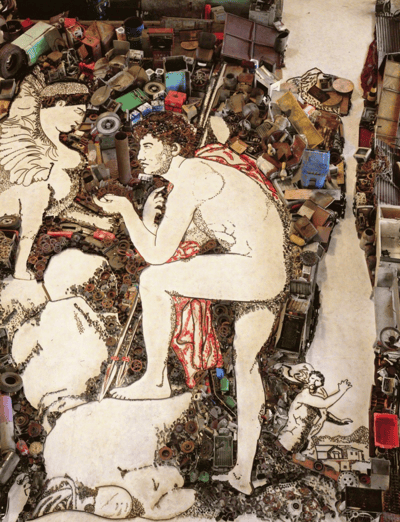
Vik Muniz
Oedipus and Sphinx, after Jean Auguste Dominique Ingres (Pictures of Junk), 2006
Photography
C-Print
Currently Not Available
Related Artists

© Composition.gallery
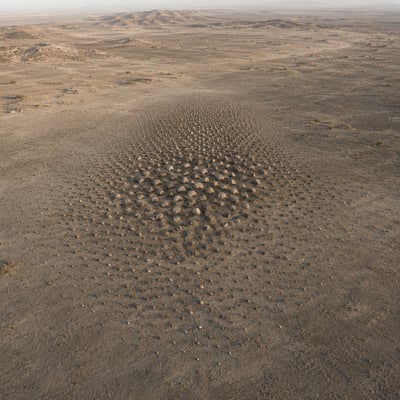
What is Earth Art?
Earth art, also known as Land Art, emerged in the 1960s and 70s as part of the conceptual art movement. It involves creating artworks by sculpting the land or constructing structures in the landscape using natural materials like earth, rocks, or twigs. These works are often large-scale and emphasize the relationship between art and nature.


Vik Muniz
Bullfinch and weeping cherry, 2010
70 x 51 cm


