

What is a C-print?
A C-type print, also known as a chromogenic print, is a photographic print made from a color negative or slide. The print is created on chromogenic paper, which contains three emulsion layers, each sensitized to a different primary color. After exposure, the paper is processed in a series of chemical baths, where each layer reacts to the chemicals to produce the final image. C-type prints are known for their rich color depth and are widely used in fine art and commercial photography.
Show All
- Show All
- Established
- Discoveries
Show All
- Show All
Artworks Related to C-Print

Sterling Ruby
Curving (Tree), 2006
Limited Edition Print
C-Print
USD 29,250
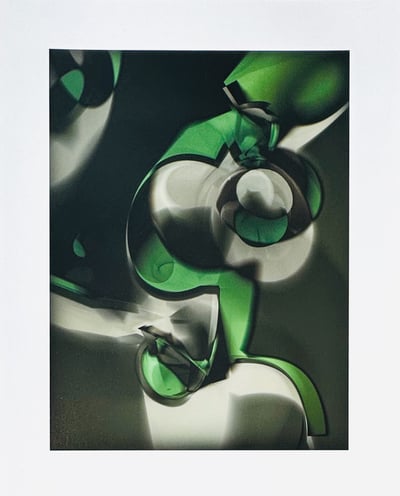
Thomas Ruff
phg.s.01, 2012-2020
Photography
C-Print
EUR 1,350

Nan Goldin
Desert at Night, Aswan, Egypt, 2003
Photography
C-Print
GBP 2,200

David Hockney
Still Life with Hats, 1973
Photography
C-Print
GBP 10,200

Nan Goldin
Suzanne With Mona Lisa, Mexico City 1981, 2025
Photography
C-Print
GBP 3,000

Nan Goldin
Mod Kid With Dog, London 1978, 2025
Photography
C-Print
GBP 1,800

Nan Goldin
Triptyk, Zingaro Equestrian Theater, Paris, 2004, 2025
Photography
C-Print
GBP 5,900

Nan Goldin
Sunny at the spa, distortion. L’Hotel de Paris, 2010/2020
Photography
C-Print
EUR 1,100

Nan Goldin
Swan-like Embrace, Paris, 2001
Photography
C-Print
GBP 6,950
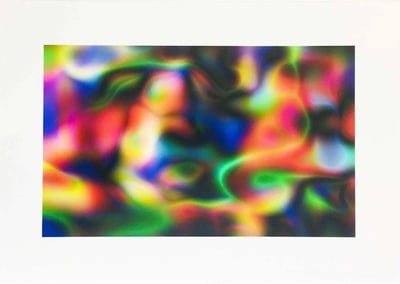
Thomas Ruff
Substrat 21 III, 2003-2019
Photography
C-Print
EUR 1,750

Massimo Vitali
Mondello Paddle Boats, 2007
Photography
C-Print
EUR 20,000
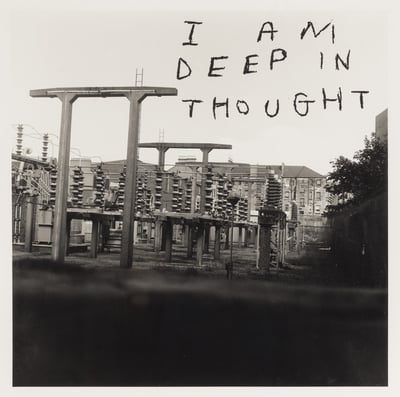
David Shrigley
I Am Deep In Thought, 2003
Limited Edition Print
C-Print
EUR 1,500
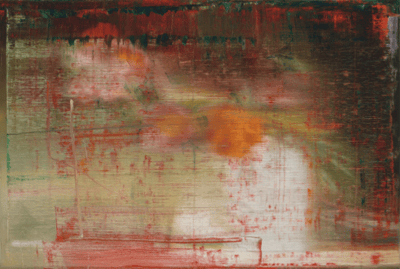
Gerhard Richter
Bouquet, 2014
Limited Edition Print
C-Print
Inquire For Price

Nobuyoshi Araki
Bondage Girl, 1997
Photography
C-Print
Inquire For Price

Andreas Gursky
Fotograf, Düsseldorf, 1988
Photography
C-Print
Artwork On Hold

Kiki Smith
Untitled (Head of Kuan Yin), 2002
Photography
C-Print
EUR 7,000
Related Articles


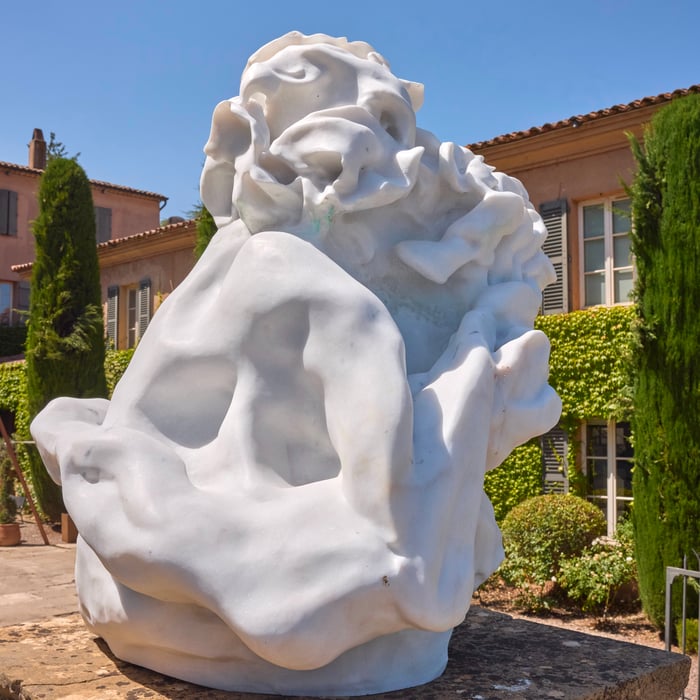

Mosaic is an art form that involves creating images by arranging many small pieces of colored tile, glass, or other materials. These pieces, often numbering in the hundreds, are placed closely together like a puzzle, each piece contributing to the overall picture.

An object in art refers to any tangible thing that exists and can be depicted in a work of art. Sometimes, the object becomes the focal point of a painting, drawing, or sculpture, meaning it is the most important element in the composition. An object can be anything that can be seen or touched, and it is often used to convey meaning or emphasize certain aspects of the artwork.

A silver gelatin print is a type of photographic print made using the silver process. In this process, photographic materials such as black and white films and printing papers are coated with a light-sensitive emulsion of silver salts suspended in gelatin. This emulsion is applied to a support, which could be flexible plastic, glass, resin-coated paper, or baryta paper. The materials are light-sensitive and remain stable under normal storage conditions, making them ideal for long-term preservation.
Can't find your Answer?
Thank you! Your question has been sent — we'll get back to you shortly.
