

What is a C-print?
A C-type print, also known as a chromogenic print, is a photographic print made from a color negative or slide. The print is created on chromogenic paper, which contains three emulsion layers, each sensitized to a different primary color. After exposure, the paper is processed in a series of chemical baths, where each layer reacts to the chemicals to produce the final image. C-type prints are known for their rich color depth and are widely used in fine art and commercial photography.
Show All
- Show All
- Established
- Discoveries
Show All
- Show All
Artworks Related to C-Print

Rashid Rana
Veil II, 2004
Photography
C-Print
Currently Not Available

Jurgen Klauke
Bewusstseinserweiterung, 2001
Photography
C-Print
EUR 500
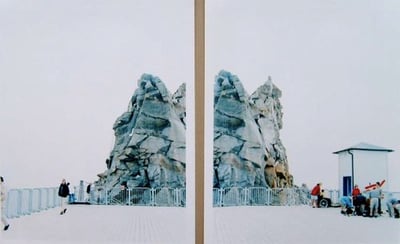
Walter Niedermayr
Hintertuxergletscher XXIII (set of 2), 2004
Photography
C-Print
Currently Not Available
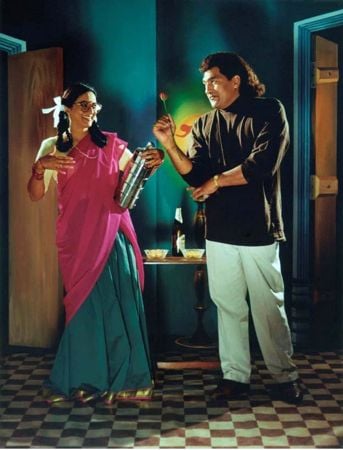
N. Pushpamala
The Native Types - Flirting, 2006
Photography
C-Print
EUR 4,100
Related Articles



Ceramic is a term used to describe objects made from clay or other inorganic materials. These objects can be either decorative or functional and have been created since at least 4,000 B.C. Ceramic art involves making, decorating, and firing these objects in a kiln, a special high-temperature oven.

Watercolor refers to both the medium and the resulting artwork created using pigments suspended in a water-soluble vehicle. Watercolors are known for their luminous, transparent appearance because the pigments are applied in pure form with minimal fillers. By adding Chinese white, the watercolor can become opaque, resembling gouache.

Light art refers to artworks that use light as the primary medium. These can include sculptures or installations that interact with the natural or urban environment. Light art can be suspended, in relief, ground-based, permanent, or temporary. There are two main types of light art: one displayed indoors in galleries and another exhibited outdoors. Light art has been used throughout human history, from ancient times to contemporary public installations.
Can't find your Answer?
Thank you! Your question has been sent — we'll get back to you shortly.
