

What is a C-print?
- Show All
- Established
- Discoveries
- Show All
Artworks Related to C-Print

Candida Hofer
Historisch-Geographischer Schul-Atlas, 2009
Photography
C-Print
EUR 1,350

Marina Abramovic
512 Hours (2014), 2021
Photography
C-Print
EUR 2,400
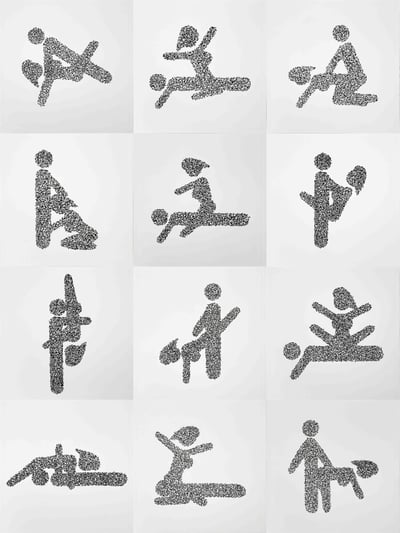
Vik Muniz
Love Bug Suite, 2014
Limited Edition Print
C-Print
Inquire For Price

David LaChapelle
First I need your hand then forever can begin, 2009
Photography
C-Print
USD 11,900

Cindy Sherman
Untitled (Twinkle-Nose), 2021
Photography
C-Print
GBP 2,300

Tracey Emin
I Kiss You (Kentish Town), 2015
Photography
C-Print
GBP 4,400
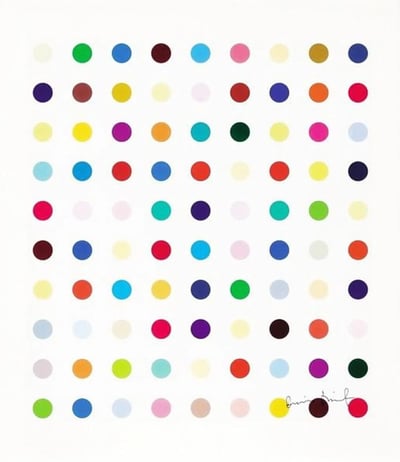
Damien Hirst
Opium, 2000
Limited Edition Print
C-Print
GBP 15,750

Robert Rauschenberg
Studies for Chinese Summerhall, Painted Lamp, 1983
Photography
C-Print
EUR 15,500

Massimo Vitali
Bari, 2003
Photography
C-Print
Currently Not Available
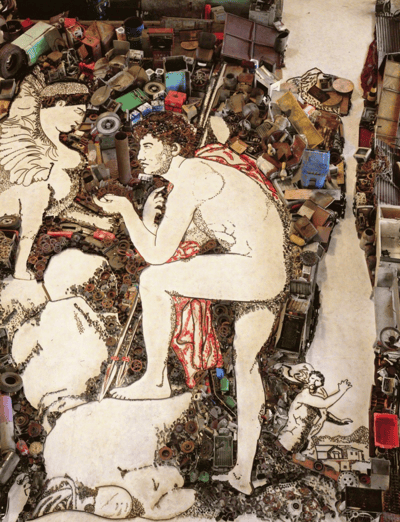
Vik Muniz
Oedipus and Sphinx, after Jean Auguste Dominique Ingres (Pictures of Junk), 2006
Photography
C-Print
Currently Not Available

Franz West
Platonic Moon, 2003
Limited Edition Print
C-Print
EUR 1,500
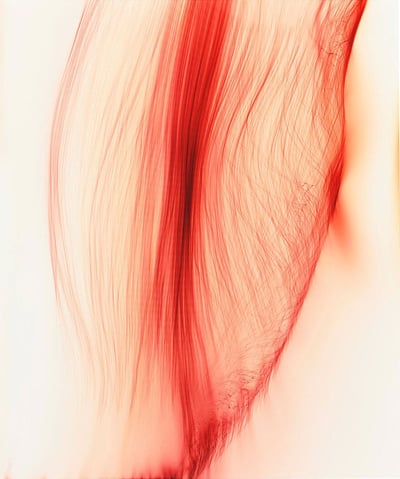
Wolfgang Tillmans
Doing well, 2001
Photography
C-Print
USD 100,000 - 110,000

Damien Hirst
Six Pills (Large), 2008
Limited Edition Print
C-Print
USD 17,700

Nan Goldin
Second Tip, Bangkok (1992), 2020
Photography
C-Print
Currently Not Available

Sarah Morris
Geigy (Clips), 2011
Limited Edition Print
C-Print
Currently Not Available

Bettina Rheims
Chambre close, 2008
Limited Edition Print
C-Print
Currently Not Available
Related Articles

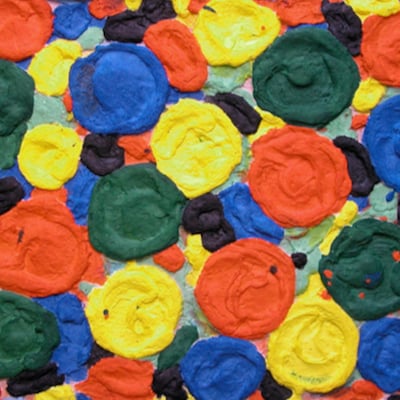
Aquagravure is a technique that combines multiple processes. It involves compressing wet paper pulp in a carved wood mold until the water drains off. The compressed paper is then painted, and ink is added to the mold to print onto the painted paper. The final work is allowed to dry. This method results in a unique textural and visual effect, blending elements of printmaking and papermaking.

Linocut is a printmaking technique similar to woodcut, where a sheet of linoleum is used as the relief surface. The design is carved into the linoleum using a V-shaped gouge or chisel, creating raised areas that form a mirror image of the final print. Ink is applied to the raised areas with a roller, and the linoleum sheet is then pressed onto fabric or paper. The printing can be done by hand or with a press.
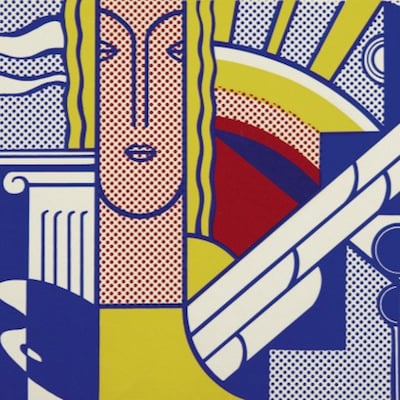
Late Modernism refers to the continuation and evolution of Modernist principles in art, architecture, and literature from the mid-20th century into the late 20th century. This movement maintains a focus on form, abstraction, and the rejection of traditional styles, but it often incorporates more complexity and ambiguity compared to early Modernism. Late Modernism explores themes such as alienation, identity, and the fragmentation of reality, reflecting the social and cultural shifts of the post-war period. It is seen in the works of architects like Louis Kahn and artists like Francis Bacon, who pushed the boundaries of Modernism while responding to the changing world around them.
Can't find your Answer?
Thank you! Your question has been sent — we'll get back to you shortly.
