

What is a C-print?
- Show All
- Established
- Discoveries
- Show All
Artworks Related to C-Print

Marilyn Minter
Vamp, 2011
Photography
C-Print
Currently Not Available

Anne Collier
Double exposure, 2011
Photography
C-Print
Currently Not Available

Hellen Van Meene
De Zeven Werken van Barmhartigheid / bezoek de zieken, 2019
Photography
C-Print
Currently Not Available

Wim Delvoye
Cloaca x rayed B/W, 2003
Photography
C-Print
EUR 14,500

Rebecca Horn
Zenith of the Ocean II, 2007
Photography
C-Print
Currently Not Available
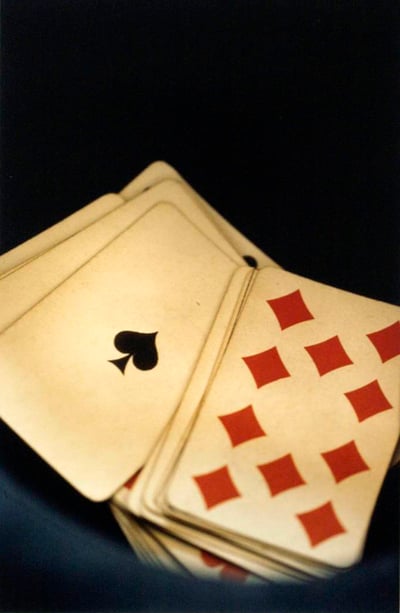
Ralph Gibson
Cards (from L' Histoire de France), 1991
Photography
C-Print
USD 2,500

Nobuyoshi Araki
Bondage Series #3, 1997
Photography
C-Print
Inquire For Price
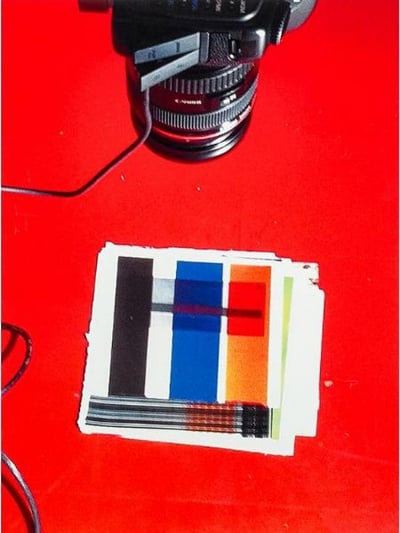
Wade Guyton
IMG_1919, 2013
Limited Edition Print
C-Print
Currently Not Available
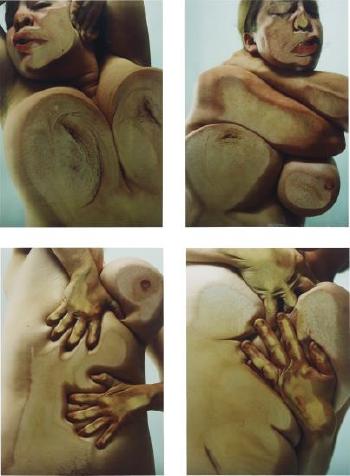
Jenny Saville
Close Contact, 2002
Photography
C-Print
Currently Not Available

Thomas Struth
Deutsche Stadtbaukunst, 2010
Photography
C-Print
EUR 2,900

Nan Goldin
Joey in my Mirror, Berlin, 1992
Photography
C-Print
Currently Not Available
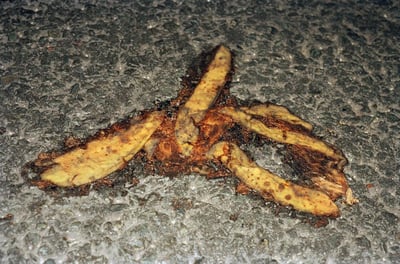
Martin Parr
#27, 2015
Photography
C-Print
EUR 950
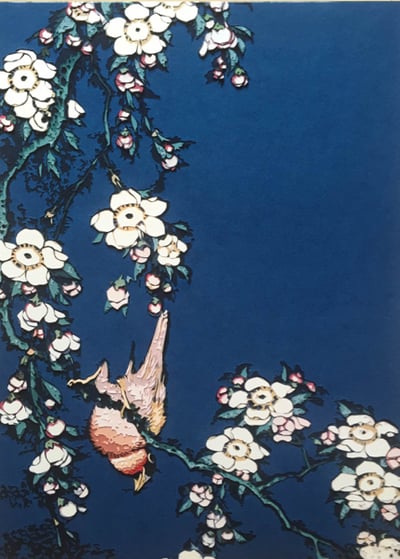
Vik Muniz
Bullfinch and weeping cherry, 2010
Photography
C-Print
EUR 6,500

Thomas Ruff
Zycles III, 2009
Photography
C-Print
EUR 9,400

Gregory Crewdson
Brightview, 2005
Photography
C-Print
Currently Not Available

Jack Pierson
Stardust, 2012
Photography
C-Print
EUR 900
Related Articles


Relief printing is a printmaking process where the design to be printed is etched or cut into a surface, leaving only the raised areas to transfer ink. The non-printing areas are removed, so only the design is inked and printed. Common relief printing techniques include woodcut, linocut, and wood engraving.

Minimalism is a style in music and visual arts characterized by pared-down designs and simplicity. It began in Western art after World War II, gaining prominence particularly in American visual arts. Minimalism draws heavily on aspects of modernism and is often viewed as a reaction against Abstract Expressionism, as well as a precursor to post-minimal art practices. Prominent minimalist artists include Agnes Martin, Donald Judd, Robert Morris, Frank Stella, and Dan Flavin.

Collage is a production art technique commonly used in visual arts where a new artwork is created by assembling various materials. These materials can include ribbons, newspaper and magazine clippings, pieces of handmade or colored paper, photographs, text fragments, and other objects, all combined to form a cohesive whole.
Can't find your Answer?
Thank you! Your question has been sent — we'll get back to you shortly.
