

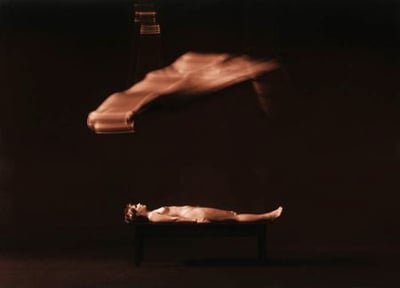
// Jürgen Klauke’s Bewusstseinserweiterung (translated as Expansion of Consciousness) is a haunting C-print photograph that explores themes of existence, transformation, and the metaphysical. The composition features a nude figure lying motionless on a table, evoking a sense of vulnerability and stillness. Above the figure, a blurred, ethereal form appears to move or hover, suggesting an out-of-body experience or a transcendence of physical limitations. The soft, sepia-toned lighting enhances the dreamlike quality of the image, adding to its contemplative and surreal atmosphere. Created in 2001 and limited to an edition of 100, this piece reflects Klauke’s fascination with the boundaries of human consciousness and the psychological depths of the self.
Artwork Copyright © Jurgen KlaukeJürgen Klauke (Germany, 1943) is a pioneering photographer and performance artist known for his exploration of identity, gender, and the human condition. His staged, conceptual photographs often challenge societal norms and blur the boundaries between art and life. A central figure in contemporary art, Klauke’s work is both provocative and introspective.
Artwork Copyright © Jurgen KlaukeBewusstseinserweiterung, 2001
Form
Medium
Size
- Inches
- Centimeters
Edition
Price
- USD
- EUR
- GBP
- CHF
- Authenticity Guaranteed
- Insured Shipping
- Online Since 2005
●Inventory 1456
●Signed
●Comes with gallery invoice and certificate
●Sell Us a Similar Artwork. Learn more.
// Jürgen Klauke’s Bewusstseinserweiterung (translated as Expansion of Consciousness) is a haunting C-print photograph that explores themes of existence, transformation, and the metaphysical. The composition features a nude figure lying motionless on a table, evoking a sense of vulnerability and stillness. Above the figure, a blurred, ethereal form appears to move or hover, suggesting an out-of-body experience or a transcendence of physical limitations. The soft, sepia-toned lighting enhances the dreamlike quality of the image, adding to its contemplative and surreal atmosphere. Created in 2001 and limited to an edition of 100, this piece reflects Klauke’s fascination with the boundaries of human consciousness and the psychological depths of the self.
Artwork Copyright © Jurgen KlaukeJürgen Klauke (Germany, 1943) is a pioneering photographer and performance artist known for his exploration of identity, gender, and the human condition. His staged, conceptual photographs often challenge societal norms and blur the boundaries between art and life. A central figure in contemporary art, Klauke’s work is both provocative and introspective.
Artwork Copyright © Jurgen KlaukeAvailability
Form
Medium
SORT BY
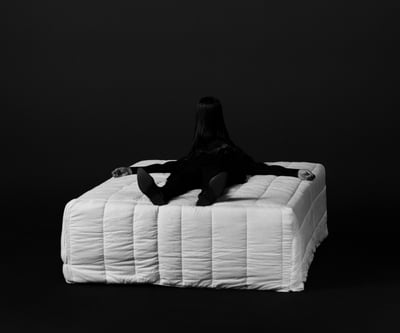
Jurgen Klauke
Attraktiver Attraktor, 2006 - 2010
Limited Edition Print
Lambda print
EUR 2,000

Jurgen Klauke
The Big Sleep 8, 1991
Limited Edition Print
Screen-print
EUR 1,700

Jurgen Klauke
The Big Sleep 3
Limited Edition Print
Screen-print
EUR 1,700

Jurgen Klauke
Attraktiver Atraktor
Limited Edition Print
Lithograph
EUR 1,340
Jurgen Klauke
Bewusstseinserweiterung, 2001
Photography
C-Print
EUR 500
Related Artists
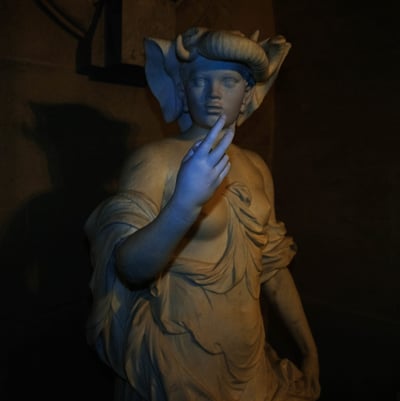

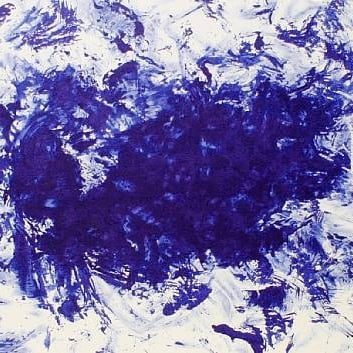
Artwork by Yves Klein
What is body art?
Body art involves creating art directly on or with the human body. Common forms include body piercings and tattoos, but it also encompasses practices like branding, scarification, scalping, body painting, full-body tattoos, body shaping, and sub-dermal implants. Body art can also refer to a subcategory of performance art where the artist's body is central to the artwork.


Jurgen Klauke
Bewusstseinserweiterung, 2001
50 x 60 cm


