

What is Queer Aesthetics?
- Show All
- Established
- Discoveries
- Show All
Artworks Related to Queer aesthetics
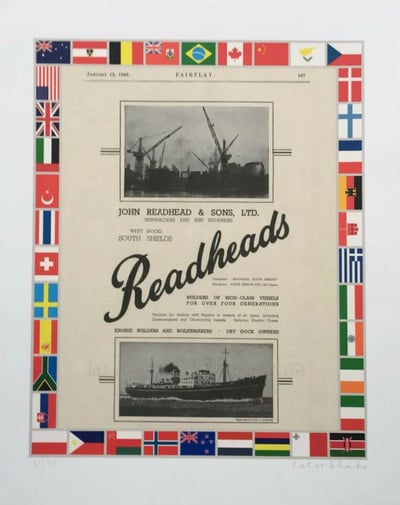
Peter Blake
Readheads (Great North Run), 2010
Limited Edition Print
Giclée printing
GBP 1,700
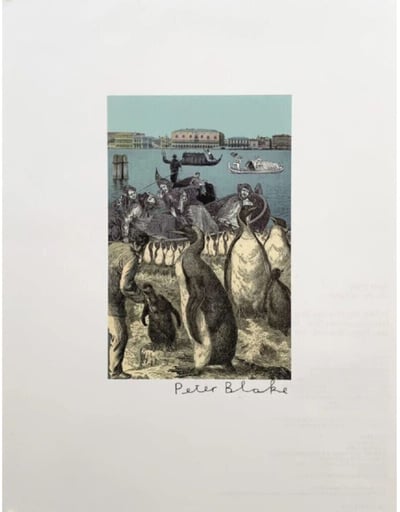
Peter Blake
Venice - Exhibition poster, 2009
Limited Edition Print
Screen-print
GBP 1,300
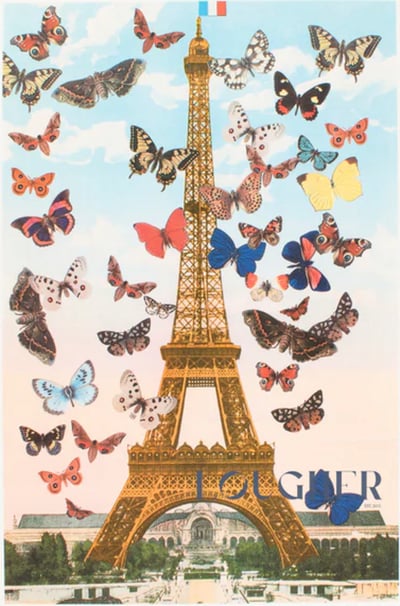
Peter Blake
Eiffel Tower (from the Paris suite), 2010
Limited Edition Print
Silkscreen
GBP 4,700
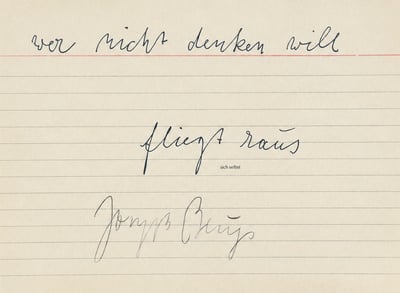
Joseph Beuys
Sich selbst (wer nicht denken will fliegt raus), 1977
Drawing / Watercolor
Mixed Media
EUR 700
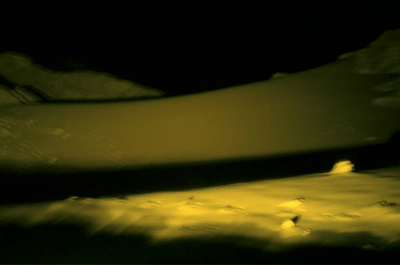
Nan Goldin
Desert at Night, Aswan, Egypt, 2003
Photography
C-Print
GBP 2,200

Joseph Beuys
Eine Rose für direkte Demokratie, 1968
Sculpture / Object
Mixed Media
EUR 2,800

Joseph Beuys
Ja Ja Ja Ja Nee Nee Nee, 1970
Sculpture / Object
Mixed Media
EUR 2,500

Grayson Perry
Magical Thinking, 2024
Limited Edition Print
Mixed Media
GBP 3,000
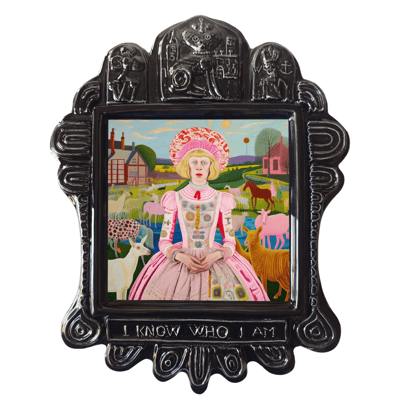
Grayson Perry
Unique Ceramic Thing, 2025
Sculpture / Object
Ceramic
GBP 9,000

Grayson Perry
Sponsored By You (Small), 2019
Limited Edition Print
Etching
GBP 10,000 - 13,000
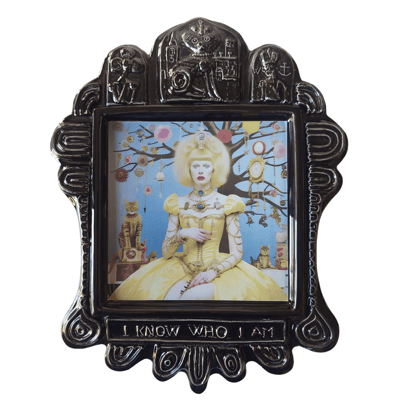
Grayson Perry
Totally Unique Thing, 2025
Sculpture / Object
Ceramic
GBP 9,000

Nan Goldin
Suzanne With Mona Lisa, Mexico City 1981, 2025
Photography
C-Print
GBP 3,000

Nan Goldin
Mod Kid With Dog, London 1978, 2025
Photography
C-Print
GBP 1,800

Nan Goldin
Triptyk, Zingaro Equestrian Theater, Paris, 2004, 2025
Photography
C-Print
GBP 5,900

Nan Goldin
Sunny at the spa, distortion. L’Hotel de Paris, 2010/2020
Photography
C-Print
EUR 1,100

Nan Goldin
Swan-like Embrace, Paris, 2001
Photography
C-Print
GBP 6,950
Related Articles

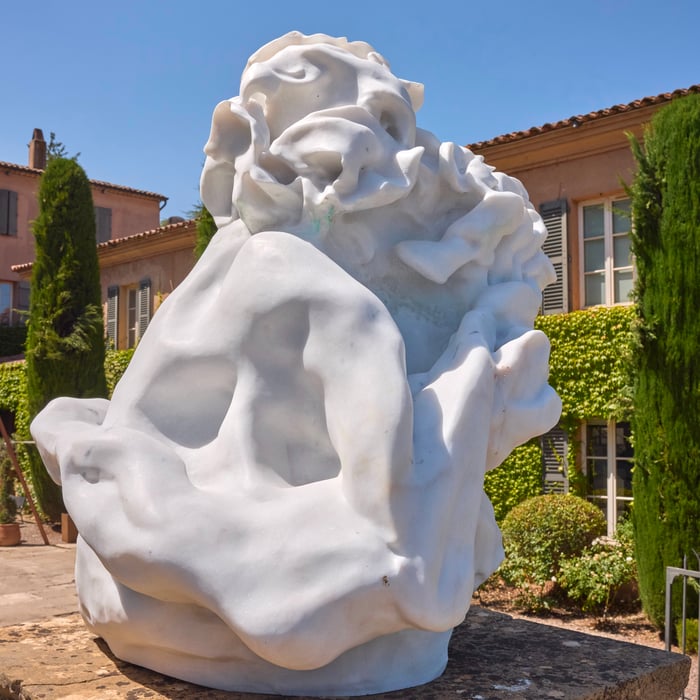

ZERO was an art movement founded by Otto Piene and Heinz Mack, aiming to develop into a large international and cross-border movement. The name ZERO originated from a magazine founded by Heinz Mack in 1957, which became a platform for the group's ideas. The magazine was published for several years before ceasing in 1967. The ZERO movement sought to create a new beginning in art, emphasizing light, space, and movement, and became influential in post-war European art.

Animation is the process of displaying a sequence of static images in rapid succession to create the illusion of movement. Each image, or frame, is slightly altered from the previous one, particularly in the moving parts, so when shown together, they form a continuous motion. Traditionally, illustrators drew each frame by hand to produce this effect.

Matter painting is a technique that involves blending thick impasto paints with materials like cement, mud, sand, or shells. The term first emerged in the 1950s to describe the works of Belgian and Dutch painters who explored the physical properties of painting materials and the different ways paint could be manipulated. This approach emphasizes texture and the tactile qualities of the surface, creating a sculptural effect on the canvas.
Can't find your Answer?
Thank you! Your question has been sent — we'll get back to you shortly.
