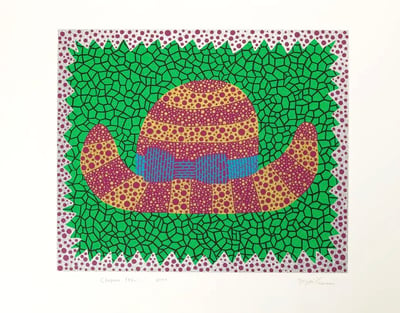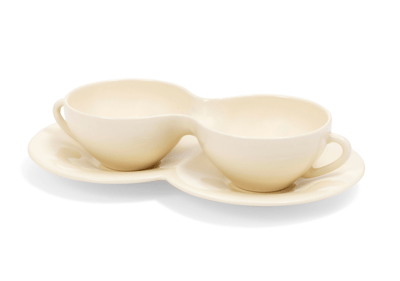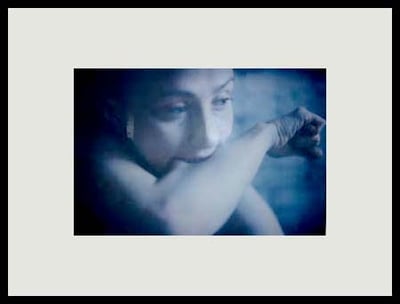
Ceramic tiles, Printed Azulejos - Signed in marker at the back
Azulejos 4 by Joana Vasconcelos is a ceramic mosaic composed of printed tiles that pays homage to the traditional Portuguese azulejo art form. The artwork features abstract, organic shapes in shades of blue and grey against a yellow background, creating a playful and dynamic composition. The hand-drawn aesthetic of the shapes contrasts with the precision of the ceramic medium, blending modern artistic expression with classic craftsmanship. Signed at the back, this piece showcases Vasconcelos' ability to merge tradition with contemporary elements, transforming everyday materials into vibrant, expressive art.
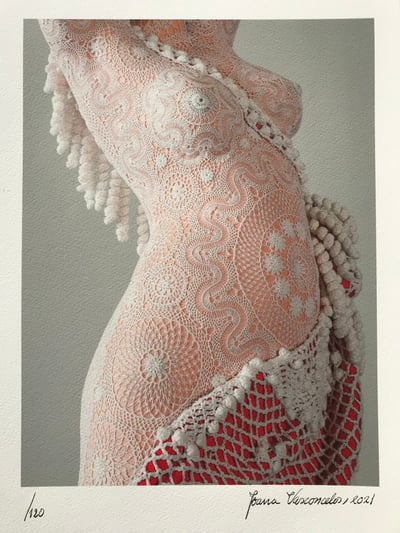
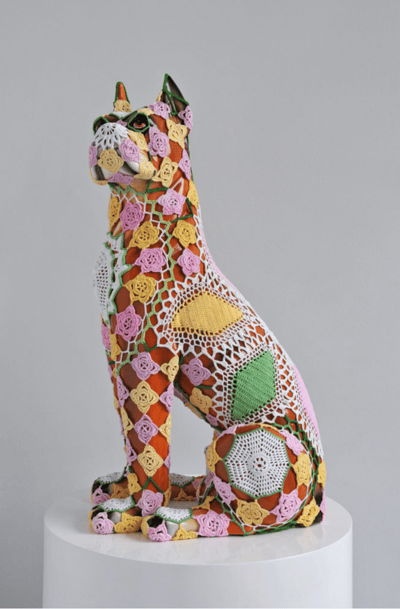
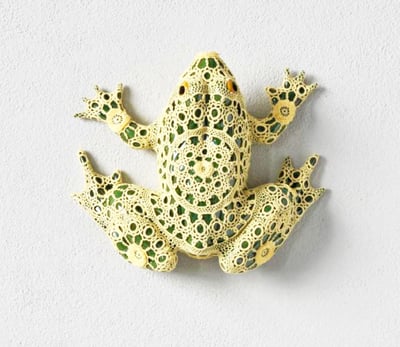
Joana Vasconcelos (Portugal, 1971) is a contemporary artist known for her large-scale, vibrant installations that combine everyday objects with traditional crafts. Her works often explore themes of identity, femininity, and cultural heritage, using materials like textiles, ceramics, and LED lights to challenge social norms and celebrate Portuguese culture.
Mosaic Mosaic is an art form that involves creating images by arranging many small pieces of colored tile, glass, or other materials. These pieces, often numbering in the hundreds, are placed closely together like a puzzle, each piece contributing to the overall picture.
Ceramic tiles, Printed Azulejos - Signed in marker at the back
Azulejos 4 by Joana Vasconcelos is a ceramic mosaic composed of printed tiles that pays homage to the traditional Portuguese azulejo art form. The artwork features abstract, organic shapes in shades of blue and grey against a yellow background, creating a playful and dynamic composition. The hand-drawn aesthetic of the shapes contrasts with the precision of the ceramic medium, blending modern artistic expression with classic craftsmanship. Signed at the back, this piece showcases Vasconcelos' ability to merge tradition with contemporary elements, transforming everyday materials into vibrant, expressive art.
Joana Vasconcelos (Portugal, 1971) is a contemporary artist known for her large-scale, vibrant installations that combine everyday objects with traditional crafts. Her works often explore themes of identity, femininity, and cultural heritage, using materials like textiles, ceramics, and LED lights to challenge social norms and celebrate Portuguese culture.
I don’t do large scale for monumental sake. The scale of my works derives from my choice of materials to convey a message.
- Joana Vasconcelos
Joana Vasconcelos, a Paris-born Portuguese artist, is a well-known artist who has had over 1 million people visit her exhibition(s). Joana Vasconcelos’s work was inspired by the 1960’s Nouveau Realisme movement. She has based her creative process off of overthrowing everyday realities and objects. Most of her work can be associated with feminism and political and social issues. Joana Vasconcelos uses a variety of mediums that include sculptures, performance, video and photographic records, and installations. Joana Vasconcelos has attended a variety of art-events; some of these events include group exhibitions as well as single exhibitions. One of the most important art-events Joana attended was the 51st International Art Exhibition; this is the exhibition in which her work because internationally know. Another important art-event she attended was the 55th International Art Exhibition in which she showcased a project for the Pavlillion of Portugal called Trafaria Praia. One of Vasconcelos's most famous pieces is the A Noiva (The Bridge); this piece consists of a chandelier, which is 20 feet high, made out of tampons rather than glass bulbs and other relative material. In order to create this piece, she used everyday items and turned them into a piece of art; she used over 25 000 tampons to create this piece. (Artist website)
Appropriation in art involves using pre-existing images or objects with little or no modification. This technique has played a significant role across various art forms, including visual arts, music, performance, and literature. In visual arts, appropriation refers to the practice of adopting, sampling, recycling, or borrowing elements—or even entire forms—of existing visual culture, integrating them into new works to create meaning or critique.