

Signed. Authenticated
This untitled collage by Joseph Cornell presents a small reproduction of an Old Master painting, a child in a red dress reminiscent of Velazquez's depictions of the Spanish Infanta, mounted on a weathered grey-blue board within a shadow box. Faint geometric markings trace across the aged surface, lending the assemblage a quality of palimpsest and quiet archaeological discovery. Cornell's poetic juxtaposition of found imagery and worn material transforms the familiar into the mysterious, evoking the passage of time and the fragile persistence of beauty within the intimate confines of the box format he made his own.
Artwork Copyright © Joseph CornellJoseph Cornell (USA, 1903–1972) was a pioneering artist known for his assemblage works, particularly his shadow boxes. Combining found objects, vintage prints, and poetic themes, Cornell’s works evoke nostalgia, wonder, and surrealist dreamscapes. His meticulous creations have left a lasting impact on modern art and inspired countless contemporary artists.
Artwork Copyright © Joseph CornellUntitled, c. 960s
Form
Medium
Size
- Inches
- Centimeters
Edition
Price
- Authenticity Guaranteed
- Insured Shipping
- Online Since 2005
●Inventory 17369
●Signed
●Comes with gallery invoice and certificate
●Sell Us a Similar Artwork. Learn more.
Signed. Authenticated
This untitled collage by Joseph Cornell presents a small reproduction of an Old Master painting, a child in a red dress reminiscent of Velazquez's depictions of the Spanish Infanta, mounted on a weathered grey-blue board within a shadow box. Faint geometric markings trace across the aged surface, lending the assemblage a quality of palimpsest and quiet archaeological discovery. Cornell's poetic juxtaposition of found imagery and worn material transforms the familiar into the mysterious, evoking the passage of time and the fragile persistence of beauty within the intimate confines of the box format he made his own.
Artwork Copyright © Joseph CornellJoseph Cornell (USA, 1903–1972) was a pioneering artist known for his assemblage works, particularly his shadow boxes. Combining found objects, vintage prints, and poetic themes, Cornell’s works evoke nostalgia, wonder, and surrealist dreamscapes. His meticulous creations have left a lasting impact on modern art and inspired countless contemporary artists.
Artwork Copyright © Joseph Cornell- Recently Added
- Price (Low-High)
- Price (High-Low)
- Year (Low-High)
- Year (High-Low)

Joseph Cornell
Untitled, c. 960s
Drawing / Watercolor
Collage
Inquire For Price
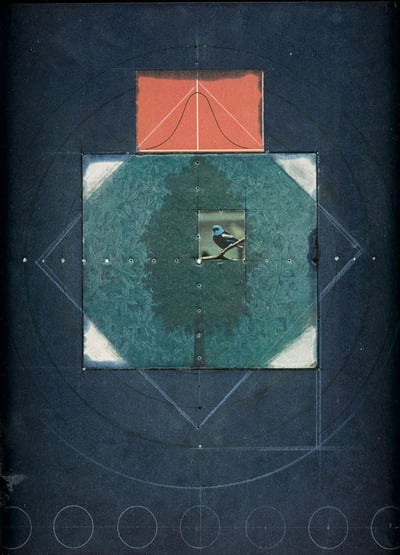
Joseph Cornell
Untitled (2C-38E), 1969
Drawing / Watercolor
Collage
Inquire For Price
Related Artists
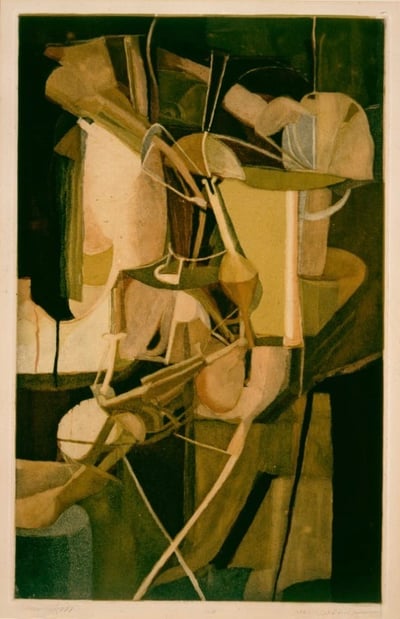



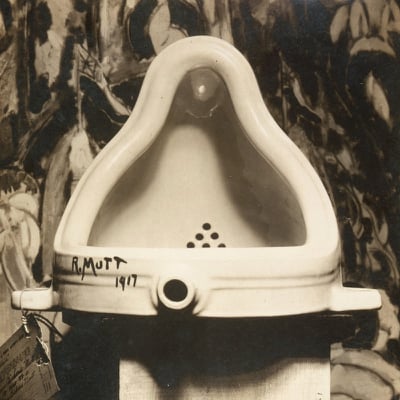
Artwork by Marcel Duchamp
What is Found Object?
A found object is a term used to describe a man-made or natural object, or a fragment of one, that an artist discovers or purchases and keeps for inspiration or as a work of art. The artist may also modify the object or incorporate it into a collage or assemblage, transforming it into a new piece of art.


Joseph Cornell
Untitled, c. 960s
30.5 x 22.9 cm


