


Two unique works - One is pigment print and gouache on paper, the other is pigment print, gouache and metal leaf on paper.
- Each measure 6 x 4 in / 15 x 10 cm
Louise Lawler's Twice Untitled (Traced and Painted) (2019) consists of two minimalist works that merge pigment print, gouache, and metal leaf on paper. Each piece measures 15 x 10 cm and presents two side-by-side prints of a framed artwork, with subtle differences in color and texture. The left work features blue and red lines on a mostly white background, while the right work introduces a darker metallic section at the top and a yellow accent on the right side. Lawler’s approach, which traces existing art, reflects on how art is displayed, contextualized, and altered by its surroundings. The contrast between the two images emphasizes shifts in interpretation based on minimal interventions, exploring themes of reproduction, originality, and presentation.
Artwork Copyright © Louise LawlerLouise Lawler (USA, 1947) is a conceptual artist and photographer associated with the Pictures Generation. She is renowned for her photographs of artworks in various settings—museums, auction houses, private homes—highlighting the influence of context on art's interpretation. Lawler's work critically examines the art world's presentation and consumption practices.
Artwork Copyright © Louise LawlerTwice Untitled (Traced and Painted), 2019
Form
Medium
Size
- Inches
- Centimeters
Edition
Price
- USD
- EUR
- GBP
- CHF
- Authenticity Guaranteed
- Insured Shipping
- Online Since 2005
●Inventory 13449
●Signed
●Comes with gallery invoice and certificate
●Sell Us a Similar Artwork. Learn more.
Two unique works - One is pigment print and gouache on paper, the other is pigment print, gouache and metal leaf on paper.
- Each measure 6 x 4 in / 15 x 10 cm
Louise Lawler's Twice Untitled (Traced and Painted) (2019) consists of two minimalist works that merge pigment print, gouache, and metal leaf on paper. Each piece measures 15 x 10 cm and presents two side-by-side prints of a framed artwork, with subtle differences in color and texture. The left work features blue and red lines on a mostly white background, while the right work introduces a darker metallic section at the top and a yellow accent on the right side. Lawler’s approach, which traces existing art, reflects on how art is displayed, contextualized, and altered by its surroundings. The contrast between the two images emphasizes shifts in interpretation based on minimal interventions, exploring themes of reproduction, originality, and presentation.
Artwork Copyright © Louise LawlerLouise Lawler (USA, 1947) is a conceptual artist and photographer associated with the Pictures Generation. She is renowned for her photographs of artworks in various settings—museums, auction houses, private homes—highlighting the influence of context on art's interpretation. Lawler's work critically examines the art world's presentation and consumption practices.
Artwork Copyright © Louise Lawler- Recently Added
- Price (Low-High)
- Price (High-Low)
- Year (Low-High)
- Year (High-Low)
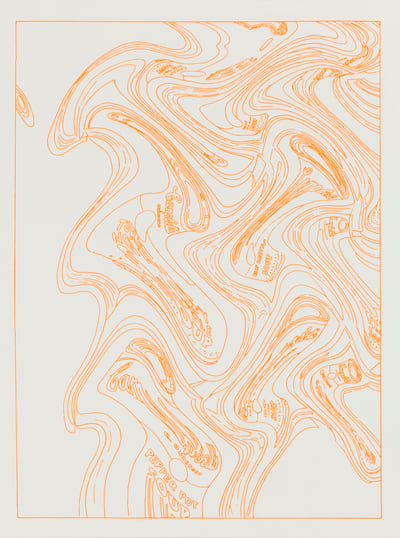
Louise Lawler
Untitled, from the White Columns Print Portfolio, 2024
Limited Edition Print
Silkscreen
USD 1,200

Louise Lawler
Twice Untitled (Traced and Painted), 2019
Drawing / Watercolor
Mixed Media
GBP 6,020

Louise Lawler
Pollyanna (adjusted to fit, distorted for the times, more), 2018
Photography
Digital Print on paper
GBP 1,225

Louise Lawler
Discernible Difference, 2010
Limited Edition Print
Inkjet print
Currently Not Available
Related Artists
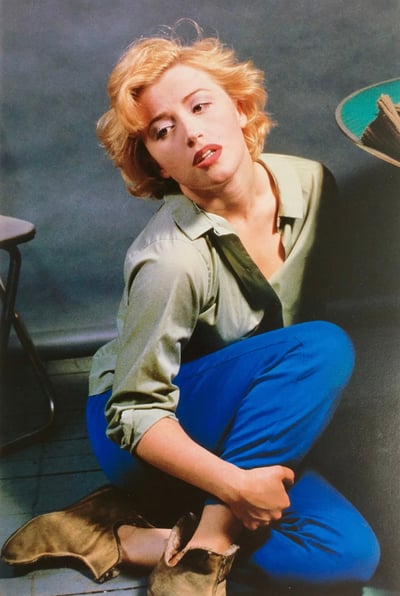

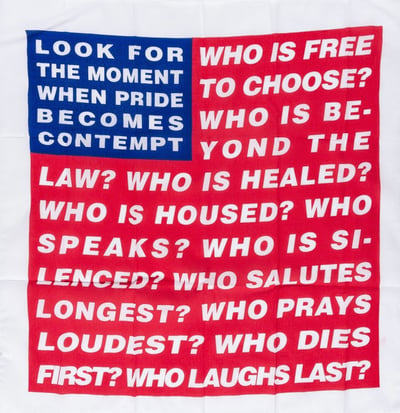


Artwork by Shepard Fairey
What is appropriation?
Appropriation in art involves using pre-existing images or objects with little or no modification. This technique has played a significant role across various art forms, including visual arts, music, performance, and literature. In visual arts, appropriation refers to the practice of adopting, sampling, recycling, or borrowing elements—or even entire forms—of existing visual culture, integrating them into new works to create meaning or critique.



