
Pigment print on paper, signed and numbered verso
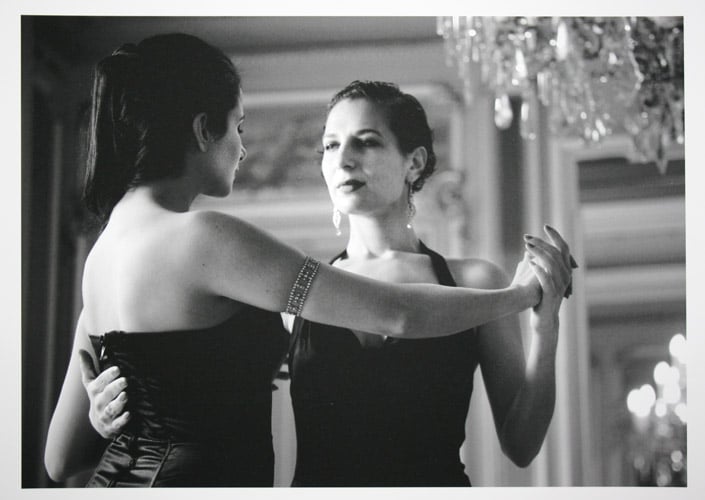
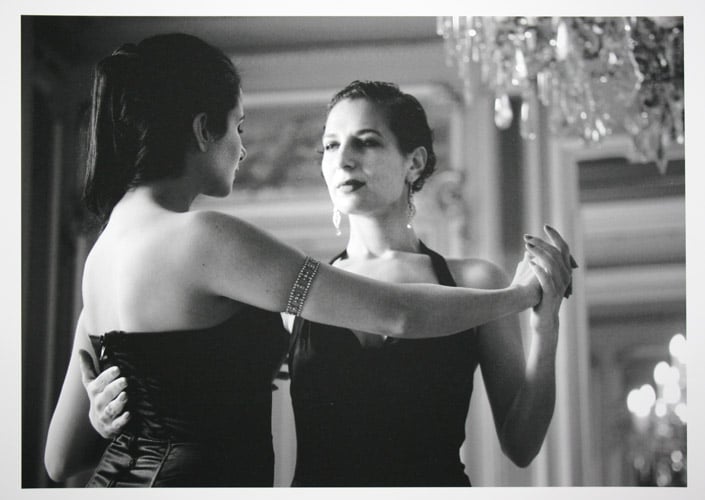
Dance the World 2 by Marie-Jo Lafontaine, created in 2010, is a compelling black-and-white pigment print that captures an intimate moment between two women dancing. The figures, dressed in elegant black attire, share a close, focused connection as they hold each other in a poised dance position. The image exudes a sense of intensity and elegance, amplified by the soft, diffused lighting and the opulent background details, such as chandeliers and ornate mirrors. Lafontaine’s skillful use of light and shadow brings depth and emotion to the scene, highlighting themes of connection, strength, and grace. This limited edition print, signed and numbered on the reverse, measures 26 x 30 cm and is part of an edition of 100 pieces.
Artwork Copyright © Marie-Jo LafontaineMarie-Jo Lafontaine (Belgium, 1950–2026) was a contemporary artist celebrated for her multimedia installations, video sculptures, and monochromatic artworks. Best known for Les Larmes d'Acier (1986), her works explored emotion, memory, and societal issues. Lafontaine's innovative fusion of video and photography left a profound mark on contemporary art.
Artwork Copyright © Marie-Jo LafontaineDance the world 2, 2010
Form
Medium
Size
- Inches
- Centimeters
Edition
Price
- USD
- EUR
- GBP
- CHF
- Authenticity Guaranteed
- Insured Shipping
- Online Since 2005
●Inventory 2215
●Signed
●Comes with gallery invoice and certificate
●Sell Us a Similar Artwork. Learn more.
Pigment print on paper, signed and numbered verso
Dance the World 2 by Marie-Jo Lafontaine, created in 2010, is a compelling black-and-white pigment print that captures an intimate moment between two women dancing. The figures, dressed in elegant black attire, share a close, focused connection as they hold each other in a poised dance position. The image exudes a sense of intensity and elegance, amplified by the soft, diffused lighting and the opulent background details, such as chandeliers and ornate mirrors. Lafontaine’s skillful use of light and shadow brings depth and emotion to the scene, highlighting themes of connection, strength, and grace. This limited edition print, signed and numbered on the reverse, measures 26 x 30 cm and is part of an edition of 100 pieces.
Artwork Copyright © Marie-Jo LafontaineMarie-Jo Lafontaine (Belgium, 1950–2026) was a contemporary artist celebrated for her multimedia installations, video sculptures, and monochromatic artworks. Best known for Les Larmes d'Acier (1986), her works explored emotion, memory, and societal issues. Lafontaine's innovative fusion of video and photography left a profound mark on contemporary art.
Artwork Copyright © Marie-Jo Lafontaine- Recently Added
- Price (Low-High)
- Price (High-Low)
- Year (Low-High)
- Year (High-Low)
Marie-Jo Lafontaine
Dance the world 2, 2010
Limited Edition Print
Pigment print
EUR 300
Marie-Jo Lafontaine
Dance the world 1, 2010
Limited Edition Print
Pigment print
EUR 300
Related Artists



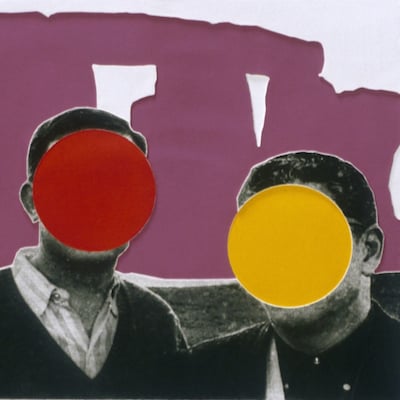
Artwork by John Baldessari
What is conceptual art?
Sometimes referred to as Conceptualism, this is an art form where the idea(s) or concept(s) behind the work take precedence over material concerns and traditional aesthetics. Many conceptual artworks can be created by anyone simply by following written instructions. The concept or idea is the most essential aspect of the artwork.
Marie-Jo Lafontaine
Dance the world 2, 2010
26 x 30 cm


