

Unique work from a series of 100 screenprint - 28 colour screenprints on 410 gsm somerset radiant white paper - In mint condition
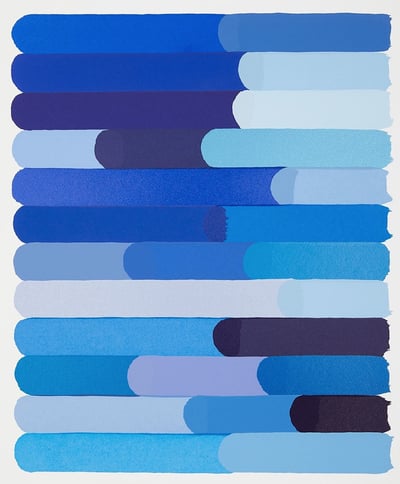
Work No. 3167 by Martin Creed, created in 2018, is a unique piece from a series of 100 screen prints. The artwork features 28 distinct shades of blue arranged in horizontal bands on high-quality Somerset radiant white paper. Each band displays a gradient of tones that transition smoothly, creating a rhythm of blues that evokes a sense of calm and contemplation. The piece captures Creed’s minimalist aesthetic, where simplicity and repetition reveal depth and complexity. The varied shades of blue in this print highlight Creed’s exploration of color and form, inviting viewers to find nuance in the repetition. This work exemplifies his methodical approach, transforming basic color blocks into an engaging visual experience.
Artwork Copyright © Martin CreedMartin Creed (UK, 1968) is a conceptual artist and musician celebrated for his minimalist and provocative works. Winner of the 2001 Turner Prize for Work No. 227: The lights going on and off, his art often transforms mundane objects and actions into thought-provoking pieces. Creed’s multidisciplinary approach includes installations, music, and performance.
Artwork Copyright © Martin CreedWork No. 3167, 2018
Form
Medium
Size
- Inches
- Centimeters
Price
Available works →
- Authenticity Guaranteed
- Insured Shipping
- Online Since 2005
●
●Inventory 8236
●Signed
●Comes with gallery invoice and certificate
●Sell Us a Similar Artwork. Learn more.
Unique work from a series of 100 screenprint - 28 colour screenprints on 410 gsm somerset radiant white paper - In mint condition
Work No. 3167 by Martin Creed, created in 2018, is a unique piece from a series of 100 screen prints. The artwork features 28 distinct shades of blue arranged in horizontal bands on high-quality Somerset radiant white paper. Each band displays a gradient of tones that transition smoothly, creating a rhythm of blues that evokes a sense of calm and contemplation. The piece captures Creed’s minimalist aesthetic, where simplicity and repetition reveal depth and complexity. The varied shades of blue in this print highlight Creed’s exploration of color and form, inviting viewers to find nuance in the repetition. This work exemplifies his methodical approach, transforming basic color blocks into an engaging visual experience.
Artwork Copyright © Martin CreedMartin Creed (UK, 1968) is a conceptual artist and musician celebrated for his minimalist and provocative works. Winner of the 2001 Turner Prize for Work No. 227: The lights going on and off, his art often transforms mundane objects and actions into thought-provoking pieces. Creed’s multidisciplinary approach includes installations, music, and performance.
Artwork Copyright © Martin Creed- Recently Added
- Price (Low-High)
- Price (High-Low)
- Year (Low-High)
- Year (High-Low)
Martin Creed
Work No. 3167, 2018
Limited Edition Print
Screen-print
Currently Not Available
Related Artists

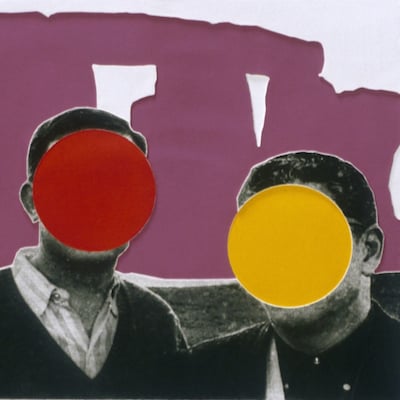
Artwork by John Baldessari
What is conceptual art?
Sometimes referred to as Conceptualism, this is an art form where the idea(s) or concept(s) behind the work take precedence over material concerns and traditional aesthetics. Many conceptual artworks can be created by anyone simply by following written instructions. The concept or idea is the most essential aspect of the artwork.


Martin Creed
Work No. 3167, 2018
39.9 x 34.7 cm


