

Lit I, 1987
Form
Medium
Size
- Inches
- Centimeters
Edition
Price
- USD
- EUR
- GBP
- CHF
- Authenticity Guaranteed
- Insured Shipping
- Online Since 2005
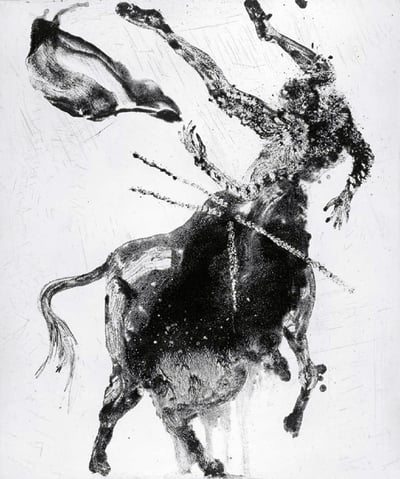
Miquel Barceló
Lanzarote 62, 2002
Limited Edition Print
Etching and Aquatint
EUR 8,950

Miquel Barceló
Lanzarote 45, 2002
Limited Edition Print
Etching and Aquatint
EUR 5,700
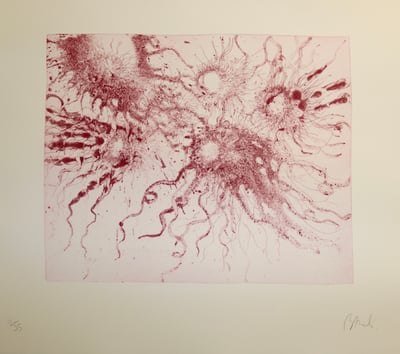
Miquel Barceló
Lanzarote 20, 2000
Limited Edition Print
Etching and Aquatint
EUR 4,500

Miquel Barceló
Les Germes, 1987
Limited Edition Print
Etching
EUR 15,400

Miquel Barceló
Lanzarote 2, 1999
Limited Edition Print
Etching and Aquatint
EUR 5,450

Miquel Barceló
Lanzarote 3, 1999
Limited Edition Print
Etching and Aquatint
EUR 5,450

Miquel Barceló
Lanzarote 4, 1999
Limited Edition Print
Etching and Aquatint
EUR 5,450
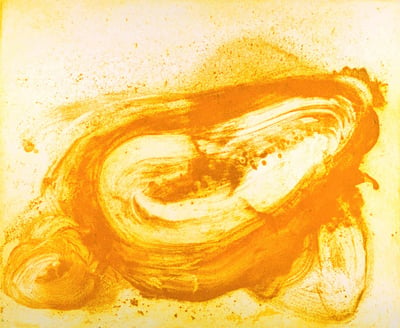
Miquel Barceló
Lanzarote 7, 1999
Limited Edition Print
Etching and Aquatint
EUR 5,450

Miquel Barceló
Lanzarote 8, 1999
Limited Edition Print
Etching and Aquatint
EUR 5,450

Miquel Barceló
Lanzarote 9, 1999
Limited Edition Print
Etching and Aquatint
EUR 5,450

Miquel Barceló
Lanzarote 10, 1999
Limited Edition Print
Etching and Aquatint
EUR 5,450

Miquel Barceló
Lanzarote 11, 1999
Limited Edition Print
Etching and Aquatint
EUR 5,450

Miquel Barceló
Lanzarote 12, 1999
Limited Edition Print
Etching and Aquatint
EUR 5,450

Miquel Barceló
Lanzarote 18, 1999
Limited Edition Print
Etching and Aquatint
EUR 5,450

Miquel Barceló
Lanzarote 19, 1999
Limited Edition Print
Etching and Aquatint
EUR 5,450

Miquel Barceló
Lanzarote 21, 2000
Limited Edition Print
Etching and Aquatint
EUR 5,450

Miquel Barceló
Lanzarote 25, 2000
Limited Edition Print
Etching and Aquatint
EUR 5,450

Miquel Barceló
Lanzarote 27, 2000
Limited Edition Print
Etching and Aquatint
EUR 6,600

Miquel Barceló
Lanzarote 28, 2000
Limited Edition Print
Etching and Aquatint
EUR 6,600

Miquel Barceló
Lanzarote 31, 2000
Limited Edition Print
Etching and Aquatint
EUR 6,600

Miquel Barceló
Lanzarote 35, 2000
Limited Edition Print
Etching and Aquatint
EUR 6,600

Miquel Barceló
Lanzarote 43, 2002
Limited Edition Print
Etching and Aquatint
EUR 7,200

Miquel Barceló
Lanzarote 48, 2002
Limited Edition Print
Etching and Aquatint
EUR 5,450

Miquel Barceló
Lanzarote 49, 2002
Limited Edition Print
Etching and Aquatint
EUR 5,450

Miquel Barceló
Lanzarote 51, 2002
Limited Edition Print
Etching and Aquatint
EUR 7,200

Miquel Barceló
Lanzarote 57, 2002
Limited Edition Print
Etching and Aquatint
EUR 8,950

Miquel Barceló
Lanzarote 58, 2002
Limited Edition Print
Etching and Aquatint
EUR 8,950

Miquel Barceló
Lanzarote 55, 2002
Limited Edition Print
Etching and Aquatint
EUR 8,950

Miquel Barceló
Lanzarote 56, 2002
Limited Edition Print
Etching and Aquatint
EUR 8,950

Miquel Barceló
Lanzarote 60, 2002
Limited Edition Print
Etching and Aquatint
EUR 8,950

Miquel Barceló
Lanzarote 61, 2002
Limited Edition Print
Etching and Aquatint
EUR 8,950
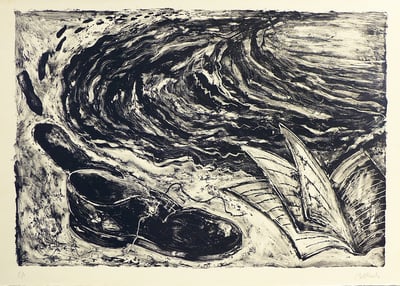
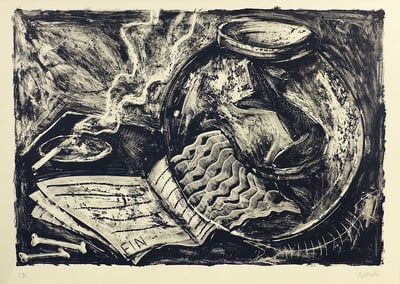
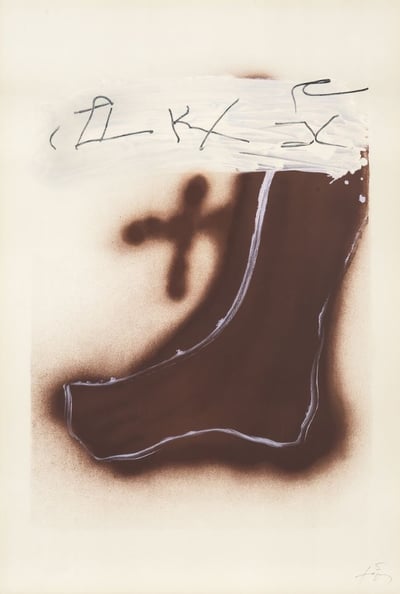
Miquel Barceló
La chaussure, 1984
Limited Edition Print
Lithograph
EUR 4,300
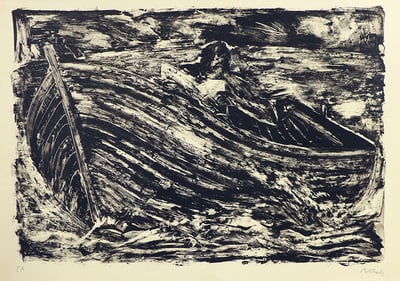
Miquel Barceló
Nature morte, 1984
Limited Edition Print
Lithograph
EUR 4,300
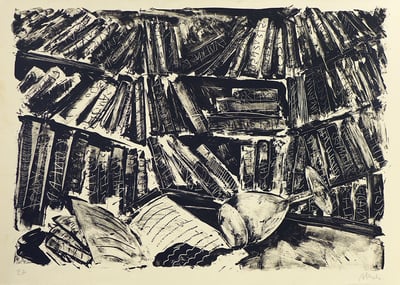
Miquel Barceló
La barque, 1984
Limited Edition Print
Lithograph
EUR 4,300
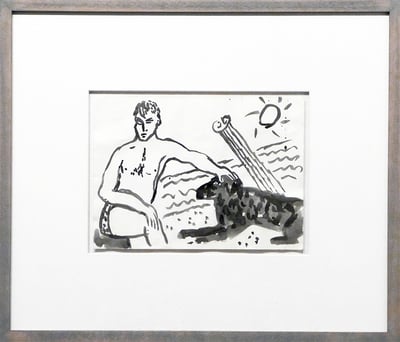
Miquel Barceló
La bibliothèque, 1984
Limited Edition Print
Lithograph
EUR 4,300
Miquel Barceló
Sin título, 1984
Drawing / Watercolor
Ink
Inquire For Price

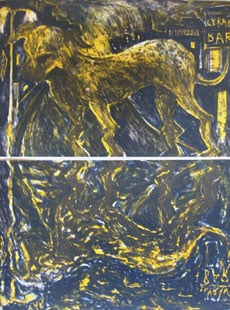
Miquel Barceló
Hombre Borracho En Un Bar 1, 1983
Limited Edition Print
Lithograph
EUR 3,750

Miquel Barceló
Lit I, 1987
Limited Edition Print
Etching
EUR 17,800

Miquel Barceló
Eels, 1987
Limited Edition Print
Etching
EUR 13,000
Miquel Barceló
Chien Sous La Pluie, 1984
Limited Edition Print
Lithograph
EUR 4,250

Miquel Barceló
Lits superposes I, 1987
Limited Edition Print
Etching
Currently Not Available
Related Artists


What is abstract expressionism?
Abstract Expressionism is an art movement that emerged in the United States during the 1940s and 1950s. Characterized by large, abstract canvases, the movement emphasized spontaneous, expressive brushwork and the use of color and form to convey emotion rather than represent reality. Artists like Jackson Pollock, Mark Rothko, and Willem de Kooning are key figures in this movement. Abstract Expressionism marked a shift in the art world, making New York City a center of the international art scene.
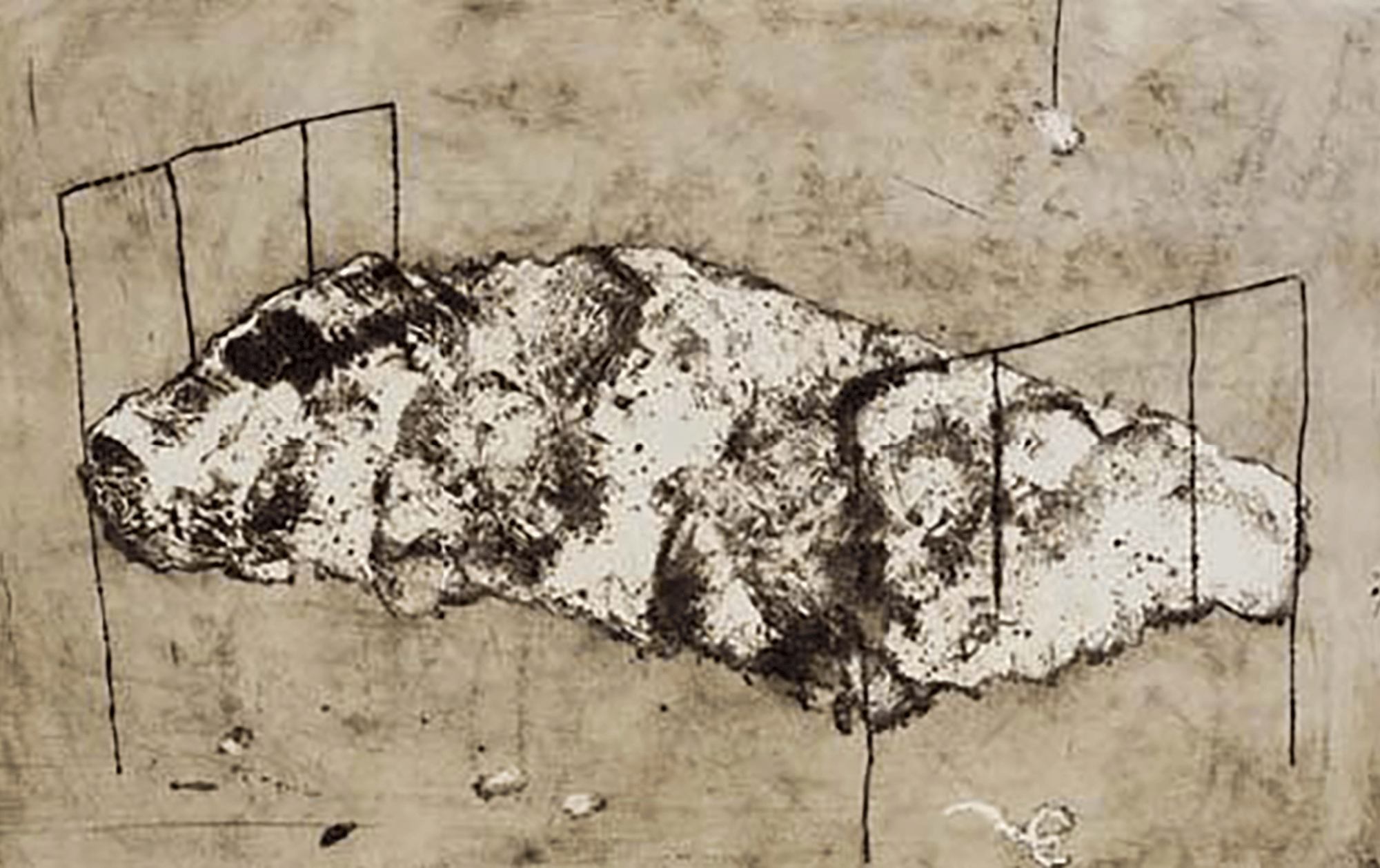
Miquel Barceló
Lit I, 1987
97.5 x 154 cm


