
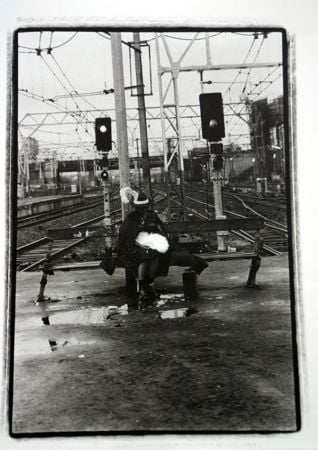
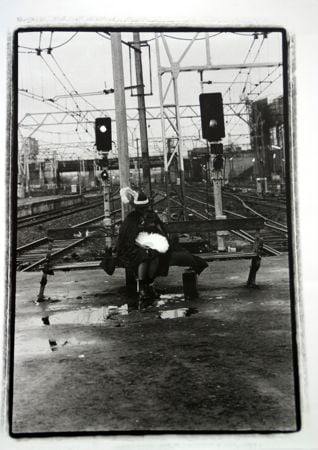
// Phantom Lady #22 by Pushpamala N., produced between 1996 and 1998, is a black-and-white gelatin silver print that offers a cinematic, noir-inspired portrayal of a woman in an urban setting. The photograph depicts the figure seated on a bench in what appears to be a deserted train station, surrounded by tracks and signal lights, under a web of overhead wires. The scene captures an atmosphere of solitude and suspense, with the composition suggesting a narrative yet leaving it ambiguous. Pushpamala N., known for her use of self-portraiture and staged photography, often explores themes related to identity, gender, and social roles in Indian society. The Phantom Lady series reinterprets archetypal female figures with a modern twist, questioning traditional representations of women. Limited to an edition of 10, this photograph resonates with the tension and mystery that characterize Pushpamala's unique visual language.
Artwork Copyright © N. PushpamalaPushpamala N. (India, 1956) is a pioneering performance and photo artist known for her satirical and feminist explorations of identity and cultural narratives. Using herself as a model, she reimagines Indian iconography and history through staged photographs and videos. Her works critically engage with stereotypes, creating powerful visual commentaries.
Artwork Copyright © N. PushpamalaPhantom Lady #22, 1996-1998
Form
Medium
Size
- Inches
- Centimeters
Edition
Price
- USD
- EUR
- GBP
- CHF
- Authenticity Guaranteed
- Insured Shipping
- Online Since 2005
●Inventory 1426
●Yes, on the verso
●Comes with gallery invoice and certificate
●Any questions?
// Phantom Lady #22 by Pushpamala N., produced between 1996 and 1998, is a black-and-white gelatin silver print that offers a cinematic, noir-inspired portrayal of a woman in an urban setting. The photograph depicts the figure seated on a bench in what appears to be a deserted train station, surrounded by tracks and signal lights, under a web of overhead wires. The scene captures an atmosphere of solitude and suspense, with the composition suggesting a narrative yet leaving it ambiguous. Pushpamala N., known for her use of self-portraiture and staged photography, often explores themes related to identity, gender, and social roles in Indian society. The Phantom Lady series reinterprets archetypal female figures with a modern twist, questioning traditional representations of women. Limited to an edition of 10, this photograph resonates with the tension and mystery that characterize Pushpamala's unique visual language.
Artwork Copyright © N. PushpamalaPushpamala N. (India, 1956) is a pioneering performance and photo artist known for her satirical and feminist explorations of identity and cultural narratives. Using herself as a model, she reimagines Indian iconography and history through staged photographs and videos. Her works critically engage with stereotypes, creating powerful visual commentaries.
Artwork Copyright © N. Pushpamala- Recently Added
- Price (Low-High)
- Price (High-Low)
- Year (Low-High)
- Year (High-Low)

N. Pushpamala
The Native Types - Flirting, 2006
Photography
C-Print
EUR 4,100
N. Pushpamala
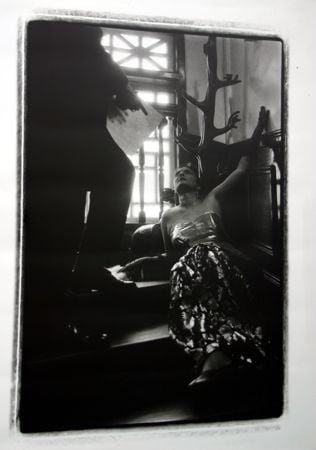
Phantom Lady #14, 1996-1998
Photography
Gelatin Silver Print
EUR 3,500
N. Pushpamala
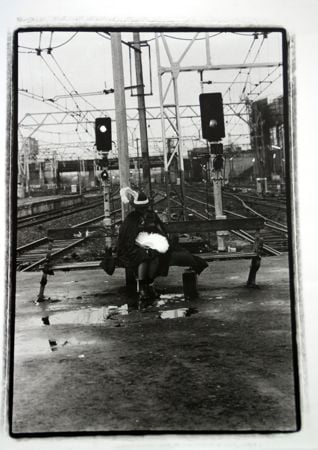
Phantom Lady #22, 1996-1998
Photography
Gelatin Silver Print
EUR 3,500
Related Artists

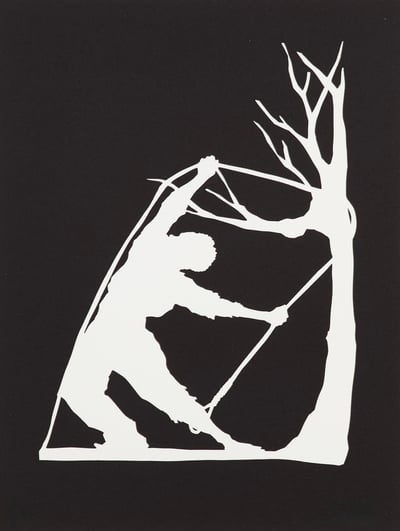

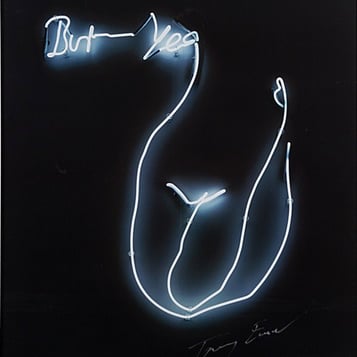
Artwork by Tracey Emin
What is feminist art?
Feminist art refers to the art that emerged from the feminist art movement during the 1960s and 1970s. It developed with the intention of critiquing 20th-century gender ideals and challenging the traditional canon of art history. Feminist art seeks to create a dialogue between the artwork and the viewer through a feminist lens, often addressing issues of gender, identity, and social justic
N. Pushpamala
Phantom Lady #22, 1996-1998
52 x 43 cm


