

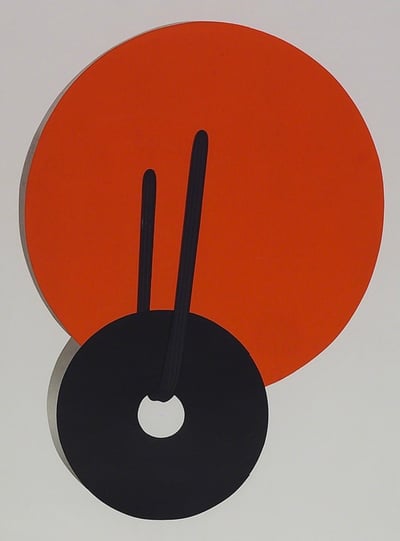
Time is money , 2008
Form
Medium
Size
- Inches
- Centimeters
Edition
Price
- USD
- EUR
- GBP
- CHF
- Authenticity Guaranteed
- Insured Shipping
- Online Since 2005

Nelson Leirner
Rio 2016 - Tenis , 2013
Sculpture / Object
Mixed Media
EUR 2,000

Nelson Leirner
Rio 2016 - Natación , 2013
Sculpture / Object
Mixed Media
EUR 2,000

Nelson Leirner
Rio 2016 - Golf , 2013
Sculpture / Object
Mixed Media
EUR 2,000
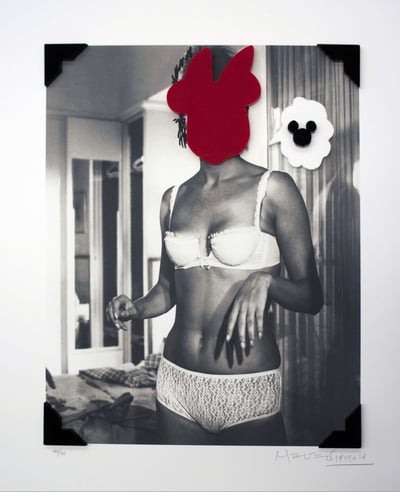
Nelson Leirner
Cada cosa en su sitio 6 , 2013
Limited Edition Print
Mixed Media
EUR 2,000

Nelson Leirner
Cada cosa en su sitio 5 , 2013
Limited Edition Print
Mixed Media
EUR 2,000
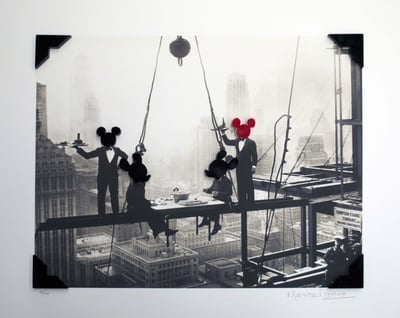
Nelson Leirner
Cada cosa en su sitio 4 , 2013
Limited Edition Print
Mixed Media
EUR 2,000
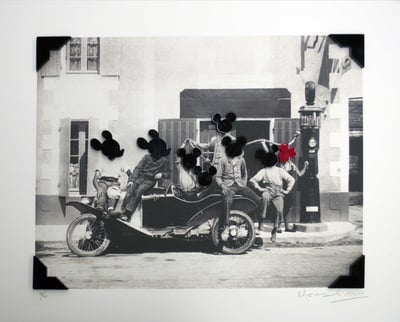
Nelson Leirner
Cada cosa en su sitio 3 , 2013
Limited Edition Print
Mixed Media
EUR 2,000
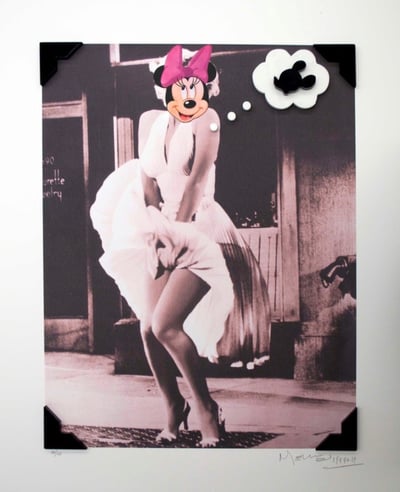
Nelson Leirner
Cada cosa en su sitio 2 , 2013
Limited Edition Print
Mixed Media
EUR 2,000

Nelson Leirner
Cada cosa en su sitio 1 , 2013
Limited Edition Print
Mixed Media
EUR 2,000

Nelson Leirner
Hot Dog , 2013
Limited Edition Print
Collage
EUR 2,000

Nelson Leirner
Picasso Toros-2 , 2012
Limited Edition Print
Collage
EUR 2,000
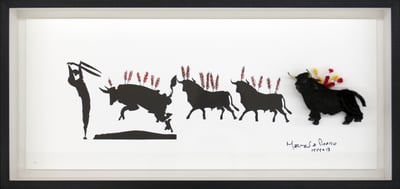
Nelson Leirner
Picasso Toros-1 , 2012
Limited Edition Print
Collage
EUR 2,000

Nelson Leirner
Cartas a...9 , 2012
Limited Edition Print
Mixed Media
EUR 1,500

Nelson Leirner
Cartas a...8 , 2012
Limited Edition Print
Mixed Media
EUR 1,500

Nelson Leirner
Cartas a...7 , 2012
Limited Edition Print
Mixed Media
EUR 1,500
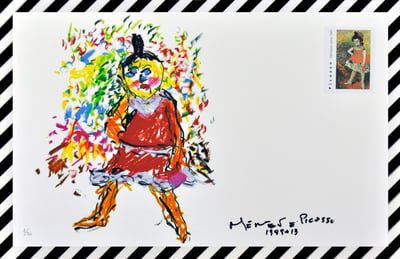
Nelson Leirner
Cartas a...6 , 2012
Limited Edition Print
Mixed Media
EUR 1,500
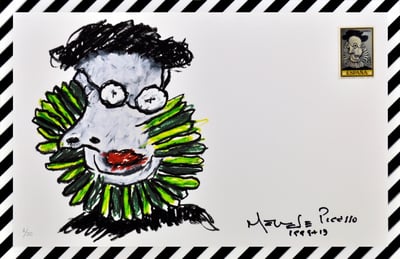
Nelson Leirner
Cartas a...5 , 2012
Limited Edition Print
Mixed Media
EUR 1,500
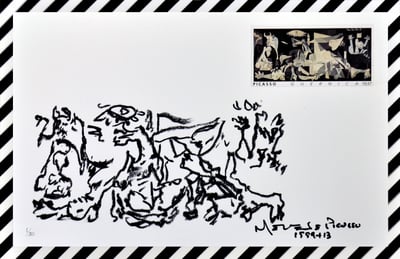
Nelson Leirner
Cartas a...4 , 2012
Limited Edition Print
Mixed Media
EUR 1,500
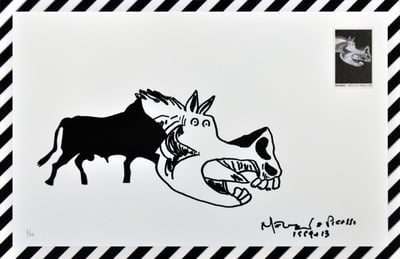
Nelson Leirner
Cartas a...3 , 2012
Limited Edition Print
Mixed Media
EUR 1,500
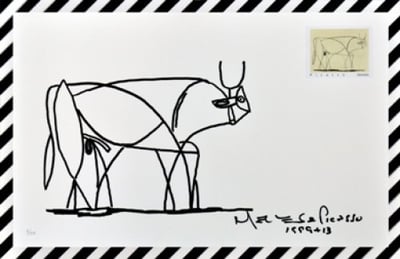
Nelson Leirner
Cartas a...2 , 2012
Limited Edition Print
Mixed Media
EUR 1,500
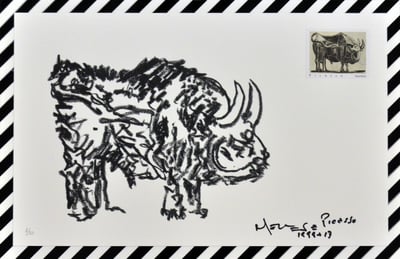
Nelson Leirner
Cartas a...1 , 2012
Limited Edition Print
Mixed Media
EUR 1,500

Nelson Leirner
Sotheby's IV , 2011
Sculpture / Object
Mixed Media
EUR 1,600

Nelson Leirner
Uma carta nao recebida , 2008
Limited Edition Print
Lithograph
EUR 1,250

Nelson Leirner
Mona Mona , 2008
Limited Edition Print
Lithograph
EUR 1,250
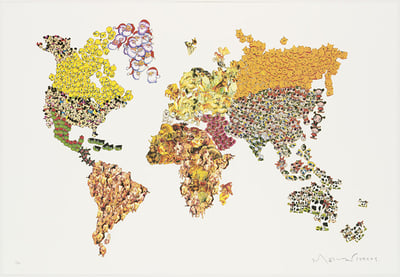
Nelson Leirner
Assim é se lhe parece , 2008
Limited Edition Print
Lithograph
EUR 1,250

Nelson Leirner
Time is money , 2008
Limited Edition Print
Lithograph
EUR 1,250

Nelson Leirner
Dow Jones , 2008
Limited Edition Print
Lithograph
EUR 1,250

Nelson Leirner
Rio 2016 - Fútbol, 2013
Sculpture / Object
Mixed Media
EUR 2,000

Nelson Leirner
Sotheby's V , 2011
Sculpture / Object
Mixed Media
Currently Not Available

Nelson Leirner
Sotheby's 4 , 2008
Sculpture / Object
Mixed Media
Currently Not Available
Related Artists


What is appropriation?
Appropriation in art involves using pre-existing images or objects with little or no modification. This technique has played a significant role across various art forms, including visual arts, music, performance, and literature. In visual arts, appropriation refers to the practice of adopting, sampling, recycling, or borrowing elements—or even entire forms—of existing visual culture, integrating them into new works to create meaning or critique.

Nelson Leirner
Time is money , 2008
46.5 x 80 cm


