

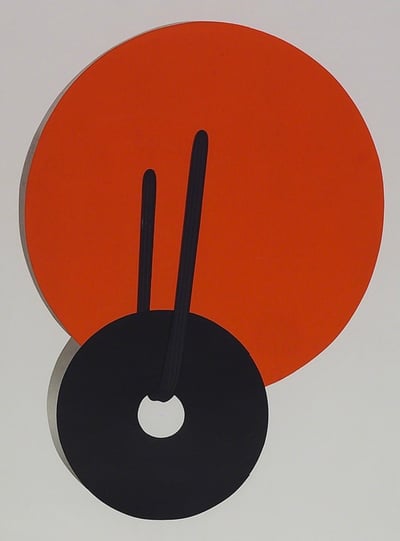
Picasso Toros-1 , 2012
Form
Medium
Size
- Inches
- Centimeters
Edition
Price
- USD
- EUR
- GBP
- CHF
- Authenticity Guaranteed
- Insured Shipping
- Online Since 2005

Nelson Leirner
Rio 2016 - Tenis , 2013
Sculpture / Object
Mixed Media
EUR 2,000

Nelson Leirner
Rio 2016 - Natación , 2013
Sculpture / Object
Mixed Media
EUR 2,000

Nelson Leirner
Rio 2016 - Golf , 2013
Sculpture / Object
Mixed Media
EUR 2,000
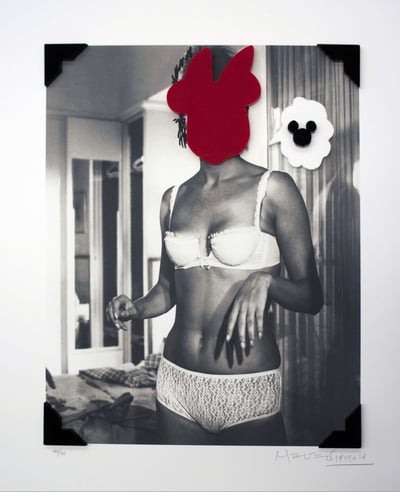
Nelson Leirner
Cada cosa en su sitio 6 , 2013
Limited Edition Print
Mixed Media
EUR 2,000

Nelson Leirner
Cada cosa en su sitio 5 , 2013
Limited Edition Print
Mixed Media
EUR 2,000
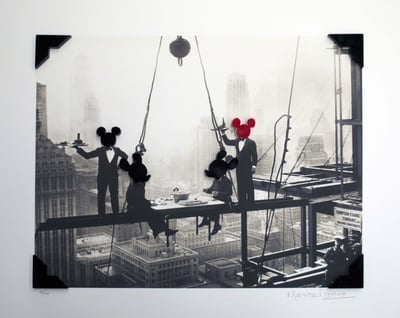
Nelson Leirner
Cada cosa en su sitio 4 , 2013
Limited Edition Print
Mixed Media
EUR 2,000
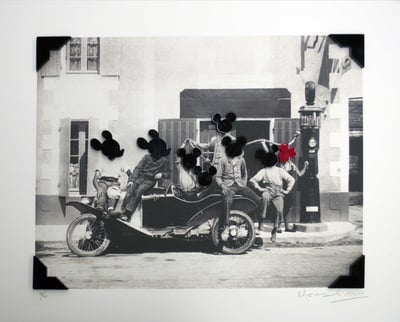
Nelson Leirner
Cada cosa en su sitio 3 , 2013
Limited Edition Print
Mixed Media
EUR 2,000
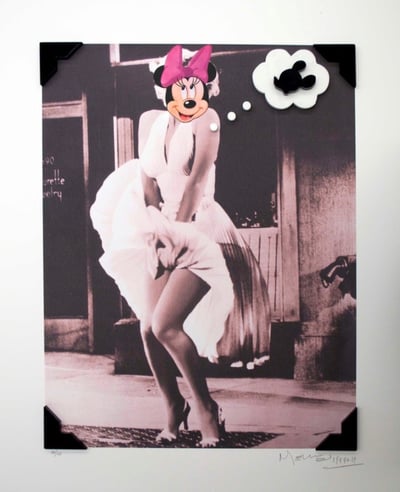
Nelson Leirner
Cada cosa en su sitio 2 , 2013
Limited Edition Print
Mixed Media
EUR 2,000

Nelson Leirner
Cada cosa en su sitio 1 , 2013
Limited Edition Print
Mixed Media
EUR 2,000

Nelson Leirner
Hot Dog , 2013
Limited Edition Print
Collage
EUR 2,000

Nelson Leirner
Picasso Toros-2 , 2012
Limited Edition Print
Collage
EUR 2,000
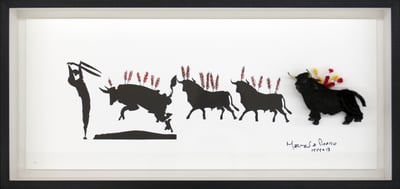
Nelson Leirner
Picasso Toros-1 , 2012
Limited Edition Print
Collage
EUR 2,000

Nelson Leirner
Cartas a...9 , 2012
Limited Edition Print
Mixed Media
EUR 1,500

Nelson Leirner
Cartas a...8 , 2012
Limited Edition Print
Mixed Media
EUR 1,500

Nelson Leirner
Cartas a...7 , 2012
Limited Edition Print
Mixed Media
EUR 1,500
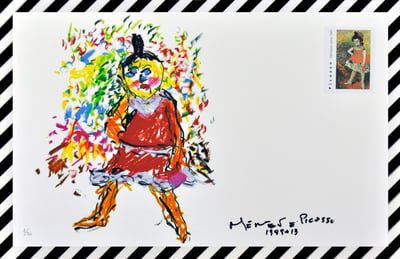
Nelson Leirner
Cartas a...6 , 2012
Limited Edition Print
Mixed Media
EUR 1,500
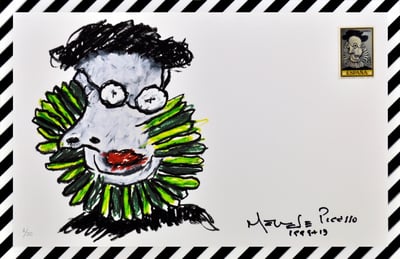
Nelson Leirner
Cartas a...5 , 2012
Limited Edition Print
Mixed Media
EUR 1,500
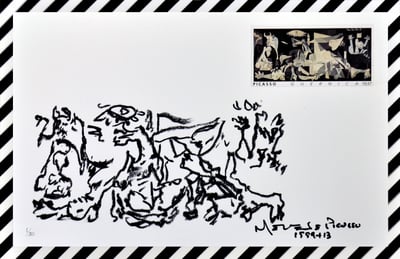
Nelson Leirner
Cartas a...4 , 2012
Limited Edition Print
Mixed Media
EUR 1,500
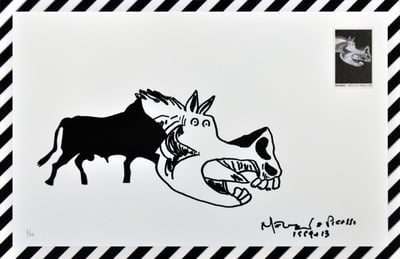
Nelson Leirner
Cartas a...3 , 2012
Limited Edition Print
Mixed Media
EUR 1,500
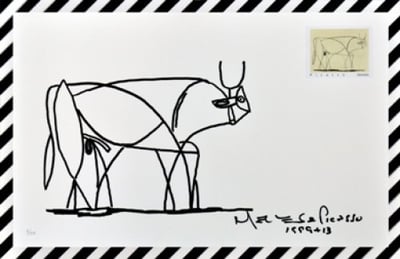
Nelson Leirner
Cartas a...2 , 2012
Limited Edition Print
Mixed Media
EUR 1,500
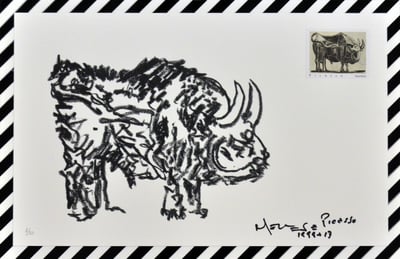
Nelson Leirner
Cartas a...1 , 2012
Limited Edition Print
Mixed Media
EUR 1,500

Nelson Leirner
Sotheby's IV , 2011
Sculpture / Object
Mixed Media
EUR 1,600

Nelson Leirner
Uma carta nao recebida , 2008
Limited Edition Print
Lithograph
EUR 1,250

Nelson Leirner
Mona Mona , 2008
Limited Edition Print
Lithograph
EUR 1,250
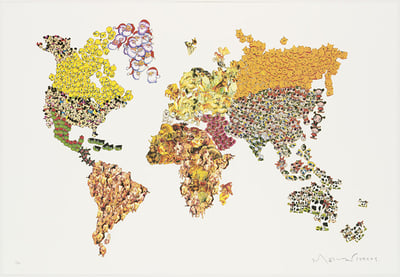
Nelson Leirner
Assim é se lhe parece , 2008
Limited Edition Print
Lithograph
EUR 1,250

Nelson Leirner
Time is money , 2008
Limited Edition Print
Lithograph
EUR 1,250

Nelson Leirner
Dow Jones , 2008
Limited Edition Print
Lithograph
EUR 1,250

Nelson Leirner
Rio 2016 - Fútbol, 2013
Sculpture / Object
Mixed Media
EUR 2,000

Nelson Leirner
Sotheby's V , 2011
Sculpture / Object
Mixed Media
Currently Not Available

Nelson Leirner
Sotheby's 4 , 2008
Sculpture / Object
Mixed Media
Currently Not Available
Related Artists


What is Latin American art?
Latin American Art is a style which takes inspiration from its culture, society, politics, native traditions, religions and landscape. Op-Art and Kinetic Art figure prominently in Latin artworks. Colors in Latin American compositions are often bold. Latin American artists work in all media and movements.


Nelson Leirner
Picasso Toros-1 , 2012
36 x 76 x 9 cm


