

// Remy Zaugg’s 1, 2, 2003 is a silkscreen print from 1993 that overlays bold, typographic text onto a city map, creating an interaction between visual and textual elements. The text, in large, blocky letters, lists various urban features in German, such as windows, city, bridge, river, and self-portrait, floating across the detailed map. Zaugg’s work plays with perception and memory, using familiar words to evoke a personal and fragmented narrative. The map serves as a structured background, grounding the abstracted text in a specific yet generalized urban landscape, encouraging viewers to reflect on space, identity, and language.
Artwork Copyright © Remy ZauggRémy Zaugg (Switzerland, 1943–2005) was a conceptual artist whose work explored perception, language, and the act of seeing. Known for his text-based paintings, Zaugg questioned how visual and linguistic elements shape understanding. His multidisciplinary approach included architecture and urban planning, making him a significant figure in contemporary art and theory.
Artwork Copyright © Remy Zaugg1, 2, 3, 1993
Form
Medium
Size
- Inches
- Centimeters
Edition
Price
Available works →
- Authenticity Guaranteed
- Insured Shipping
- Online Since 2005
●
●Inventory 8190
●Signed
●Comes with gallery invoice and certificate
●Sell Us a Similar Artwork. Learn more.
// Remy Zaugg’s 1, 2, 2003 is a silkscreen print from 1993 that overlays bold, typographic text onto a city map, creating an interaction between visual and textual elements. The text, in large, blocky letters, lists various urban features in German, such as windows, city, bridge, river, and self-portrait, floating across the detailed map. Zaugg’s work plays with perception and memory, using familiar words to evoke a personal and fragmented narrative. The map serves as a structured background, grounding the abstracted text in a specific yet generalized urban landscape, encouraging viewers to reflect on space, identity, and language.
Artwork Copyright © Remy ZauggRémy Zaugg (Switzerland, 1943–2005) was a conceptual artist whose work explored perception, language, and the act of seeing. Known for his text-based paintings, Zaugg questioned how visual and linguistic elements shape understanding. His multidisciplinary approach included architecture and urban planning, making him a significant figure in contemporary art and theory.
Artwork Copyright © Remy Zaugg- Recently Added
- Price (Low-High)
- Price (High-Low)
- Year (Low-High)
- Year (High-Low)

Remy Zaugg
1, 2, 3, 1993
Limited Edition Print
Silkscreen
Currently Not Available
Related Artists


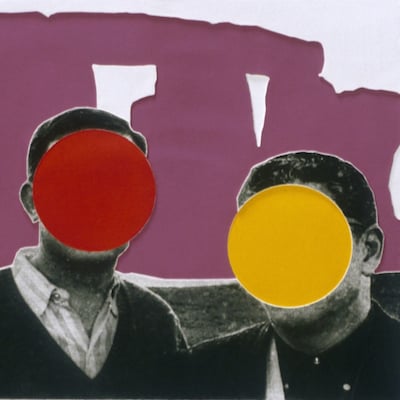
Artwork by John Baldessari
What is conceptual art?
Sometimes referred to as Conceptualism, this is an art form where the idea(s) or concept(s) behind the work take precedence over material concerns and traditional aesthetics. Many conceptual artworks can be created by anyone simply by following written instructions. The concept or idea is the most essential aspect of the artwork.

Remy Zaugg
1, 2, 3, 1993
90.5 x 14 cm


