
Serigraph
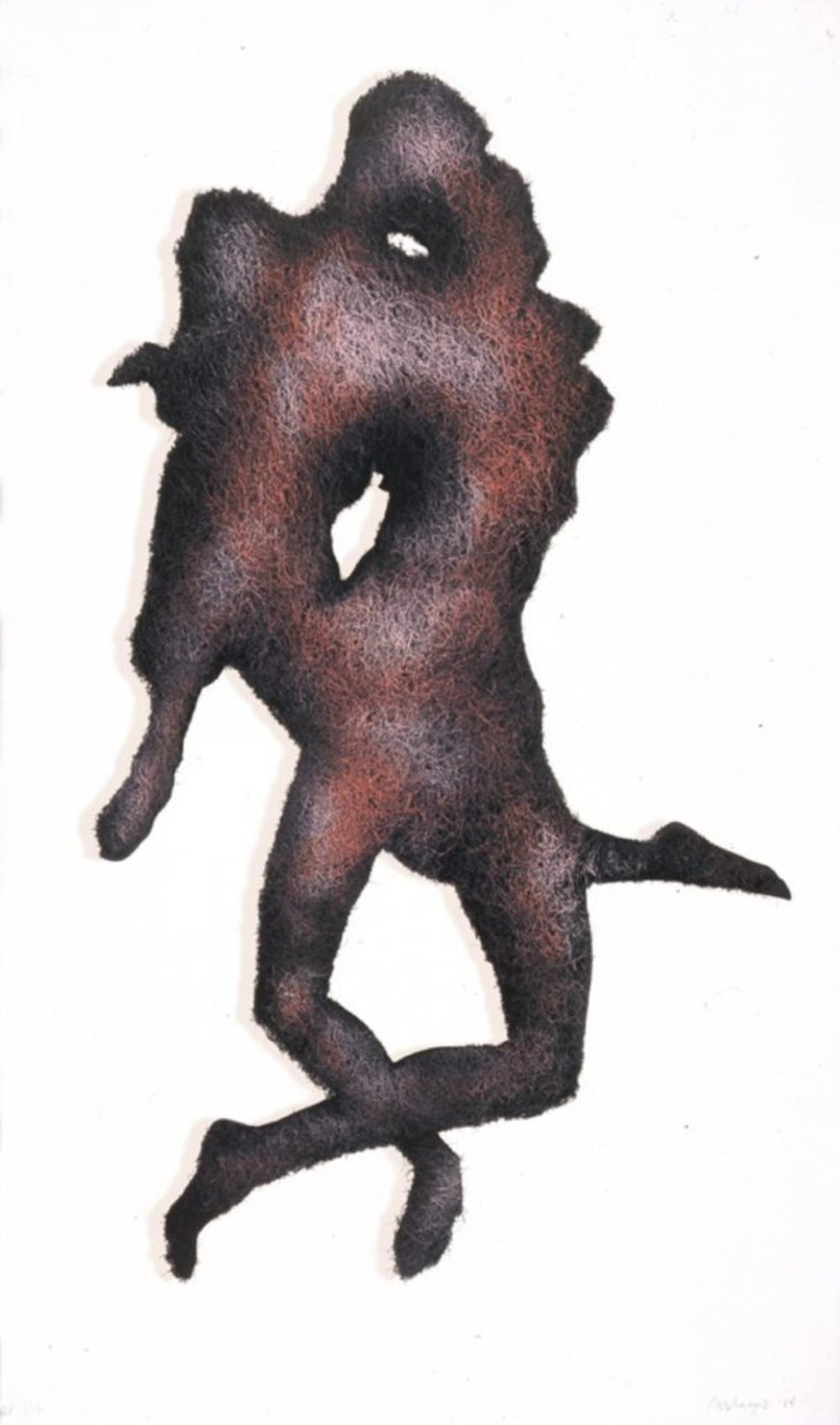
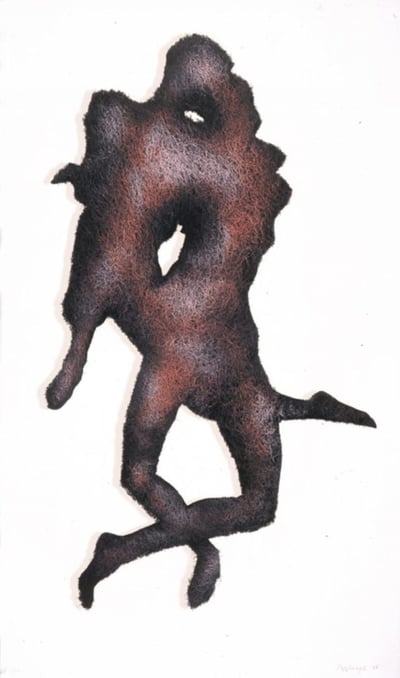
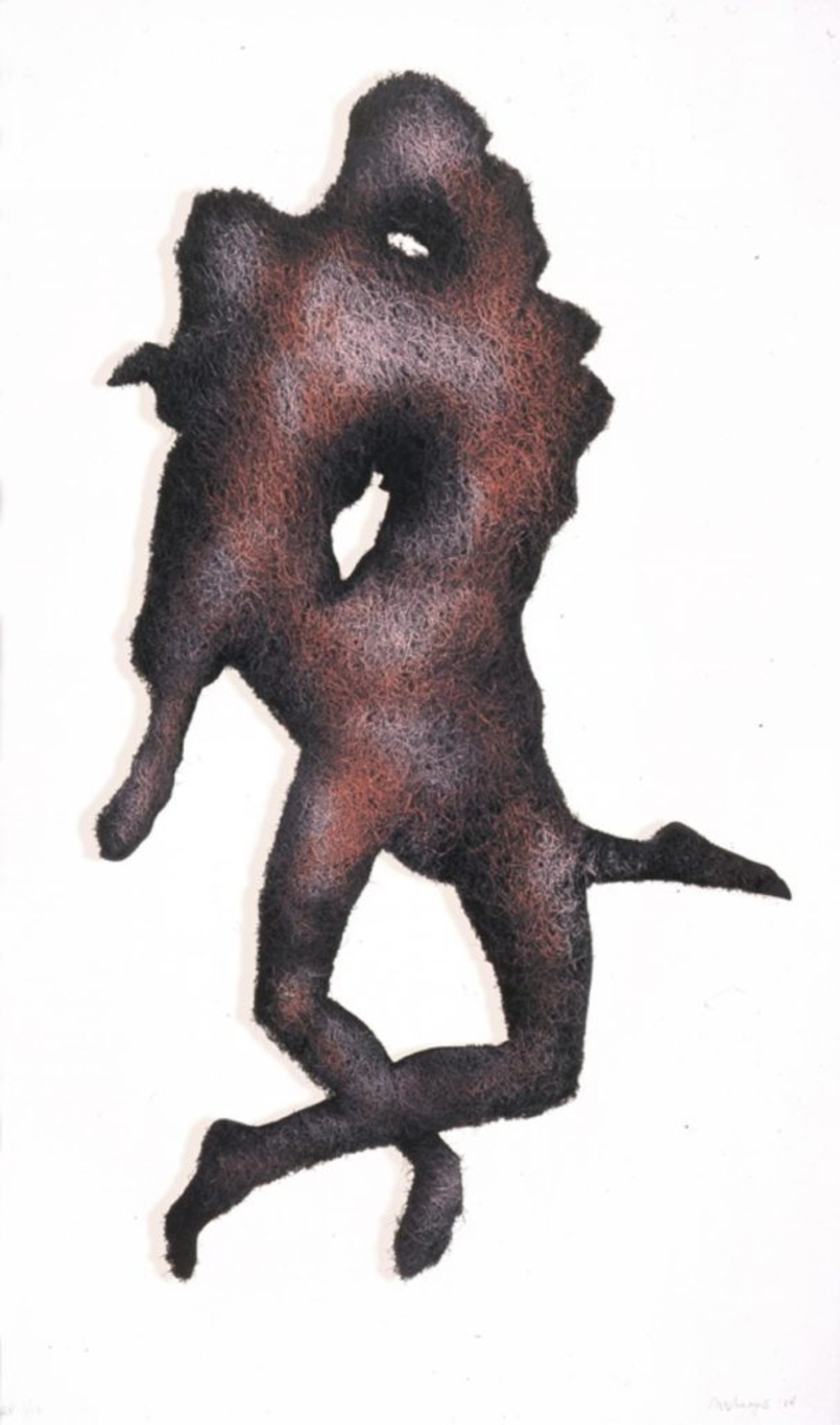
Liebespaar (Lovers) by Richard Artschwager is a limited edition serigraph print from 2005. This abstract work presents two figures entwined, evoking a sense of intimacy and connection. The figures are rendered in dark, textured forms that appear almost sculptural, with blurred edges blending into one another, reinforcing the sense of closeness and unity. The use of dark, earthy tones gives the piece a raw, emotional depth, while the minimal background draws attention to the shapes and their fluid, almost dance-like movement. The simplicity of form and the abstraction invite interpretations around themes of love, human connection, and the merging of identities.
Artwork Copyright © Richard ArtschwagerRichard Artschwager (USA, 1923–2013) was a boundary-defying artist whose work spanned painting, sculpture, and furniture design. Known for his use of industrial materials like Formica and Celotex, he explored themes of perception and space. Artschwager’s distinctive style merged Minimalism, Pop Art, and Conceptualism, earning him a unique place in 20th-century art.
Artwork Copyright © Richard ArtschwagerLiebespaar (Lovers), 2005
Form
Medium
Size
- Inches
- Centimeters
Edition
Price
- USD
- EUR
- GBP
- CHF
- Authenticity Guaranteed
- Insured Shipping
- Online Since 2005
●Inventory 14150
●Signed
●Comes with gallery invoice and certificate
●Sell Us a Similar Artwork. Learn more.
Serigraph
Liebespaar (Lovers) by Richard Artschwager is a limited edition serigraph print from 2005. This abstract work presents two figures entwined, evoking a sense of intimacy and connection. The figures are rendered in dark, textured forms that appear almost sculptural, with blurred edges blending into one another, reinforcing the sense of closeness and unity. The use of dark, earthy tones gives the piece a raw, emotional depth, while the minimal background draws attention to the shapes and their fluid, almost dance-like movement. The simplicity of form and the abstraction invite interpretations around themes of love, human connection, and the merging of identities.
Artwork Copyright © Richard ArtschwagerRichard Artschwager (USA, 1923–2013) was a boundary-defying artist whose work spanned painting, sculpture, and furniture design. Known for his use of industrial materials like Formica and Celotex, he explored themes of perception and space. Artschwager’s distinctive style merged Minimalism, Pop Art, and Conceptualism, earning him a unique place in 20th-century art.
Artwork Copyright © Richard Artschwager- Recently Added
- Price (Low-High)
- Price (High-Low)
- Year (Low-High)
- Year (High-Low)
Richard Artschwager
Liebespaar (Lovers), 2005
Limited Edition Print
Serigraph
USD 1,650
Related Artists



Artwork by Andy Warhol
What is pop-art?
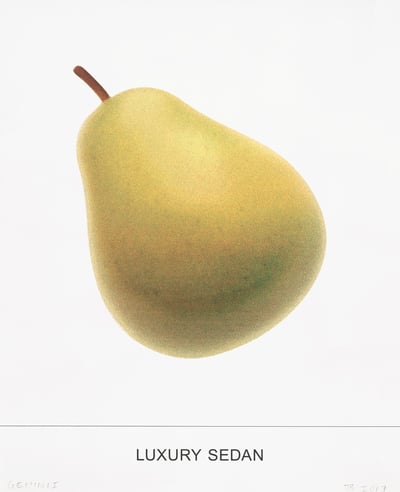
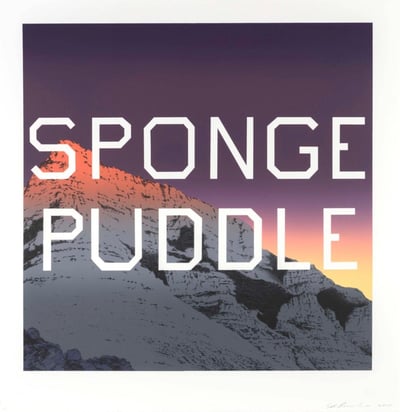
Pop Art is an art movement that began in Britain in 1955 and in the late 1950s in the U.S. It challenged traditional fine arts by incorporating imagery from popular culture, such as news, advertising, and comic books. Pop Art often isolates and recontextualizes materials, combining them with unrelated elements. The movement is more about the attitudes and ideas that inspired it than the specific art itself. Pop Art is seen as a reaction against the dominant ideas of Abstract Expressionism, bringing everyday consumer culture into the realm of fine art.

Richard Artschwager
Liebespaar (Lovers), 2005
107.3 x 63.5 cm


