

Artwork Copyright © Tony Oursler
Tony Oursler (USA, 1957) is a multimedia artist best known for his innovative video installations. Combining projection, sculpture, and sound, his works explore themes of identity, technology, and psychological states. Often featuring disembodied faces on unusual surfaces, Oursler’s art blurs the boundaries between the digital and physical worlds.
Artwork Copyright © Tony OurslerBellytalker (Saw Buck Tooth), 2001
Form
Medium
Size
- Inches
- Centimeters
Edition
Price
Available works →
- Authenticity Guaranteed
- Insured Shipping
- Online Since 2005
●
●Inventory 3034
●Signed
●Comes with gallery invoice and certificate
●Sell Us a Similar Artwork. Learn more.
Artwork Copyright © Tony Oursler
Tony Oursler (USA, 1957) is a multimedia artist best known for his innovative video installations. Combining projection, sculpture, and sound, his works explore themes of identity, technology, and psychological states. Often featuring disembodied faces on unusual surfaces, Oursler’s art blurs the boundaries between the digital and physical worlds.
Artwork Copyright © Tony Oursler- Recently Added
- Price (Low-High)
- Price (High-Low)
- Year (Low-High)
- Year (High-Low)
Tony Oursler
Private Listing
Drawing / Watercolor
request info

Tony Oursler
Fax up, 2002
Painting
Mixed Media
EUR 4,850

Tony Oursler
“Studio (self-Portrait in Green)”, 2005
Limited Edition Print
Digital Print on paper
Currently Not Available
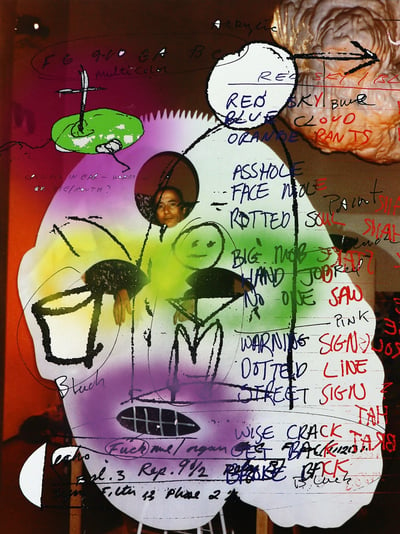
Tony Oursler
Ear Worm, 1976/2013
Limited Edition Print
Digital Print on paper
Currently Not Available
Available works by Tony Oursler
See all →Tony Oursler
Fax up, 2002
Painting
Mixed Media
EUR 4,850
Related Artists

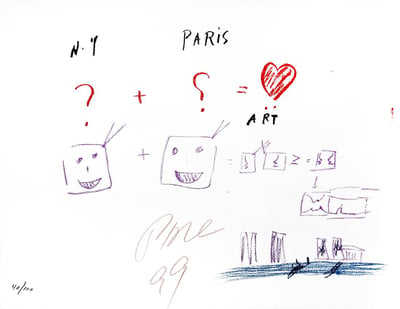
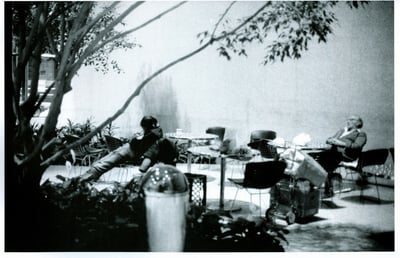
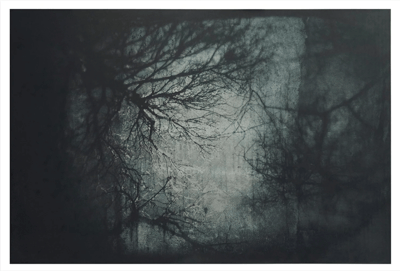

Artwork by Miles Aldridge
What is contemporary art?
Contemporary art refers to avant-garde or innovative art created in the recent past or present day. The exact starting point of contemporary art varies depending on the institution, often tied to the founding year of museums or galleries that showcase the style. Contemporary art is characterized by its focus on current ideas, diverse media, and the exploration of new concepts and techniques.


