
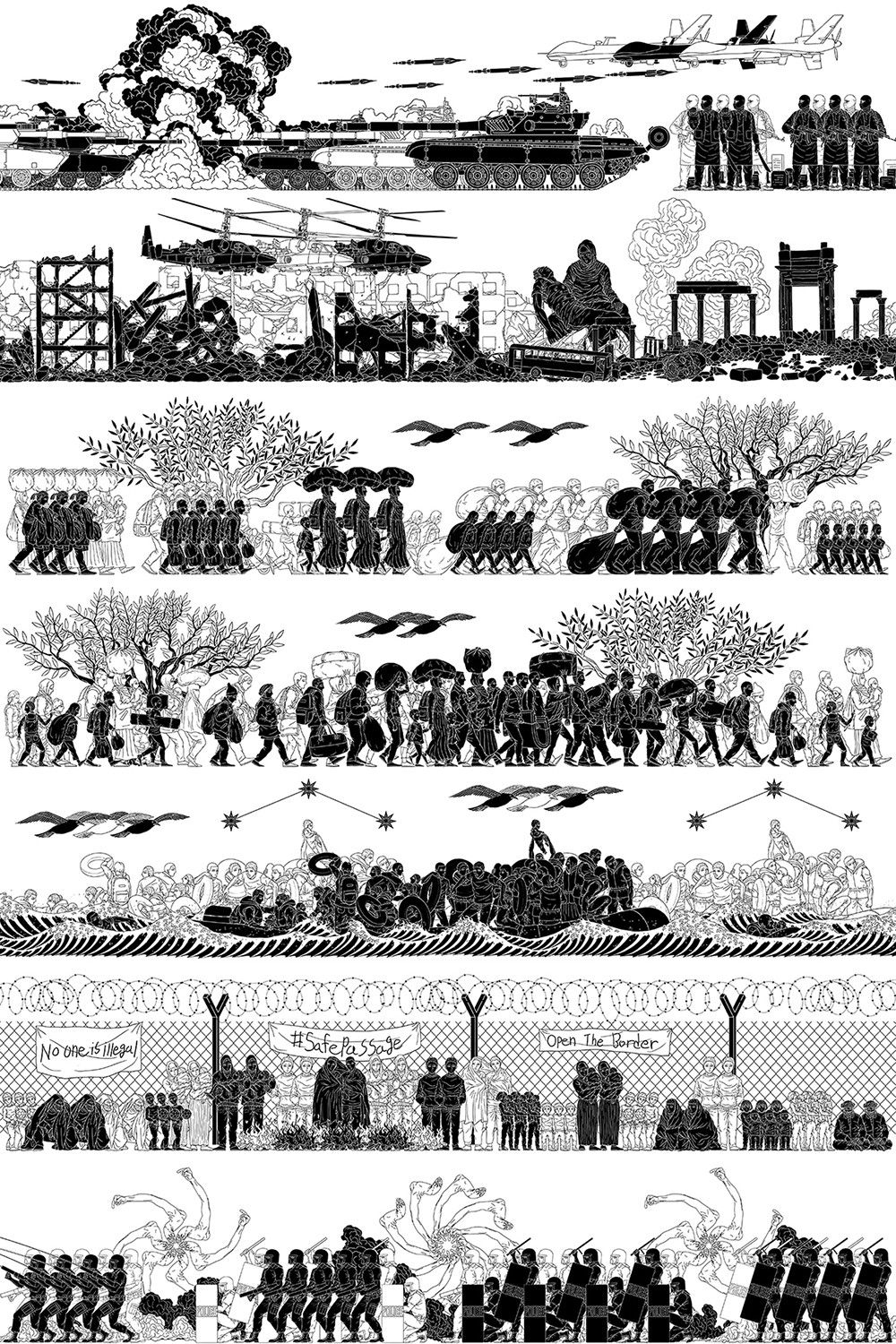
The Odyssey, 2017
Form
Medium
Size
- Inches
- Centimeters
Edition
Price
- USD
- EUR
- GBP
- CHF
- Authenticity Guaranteed
- Insured Shipping
- Online Since 2005
Weiwei Ai
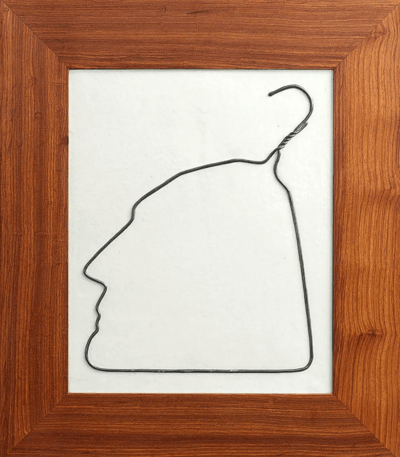
Hanging Man in Porcelain, 2009
Sculpture / Object
Mixed Media
Inquire For Price

Weiwei Ai
Year of the Ox, 2021
Limited Edition Print
Screen-print
Inquire For Price

Weiwei Ai
The Odyssey, 2017
Limited Edition Print
Offset Print
EUR 1,550

Weiwei Ai
Freud Banner, 2018
Limited Edition Print
Mixed Media
EUR 1,350

Weiwei Ai
Vase (Blue), 2024
Sculpture / Object
Glass
EUR 4,500

Weiwei Ai
Vase (Green), 2024
Sculpture / Object
Glass
EUR 4,500
Weiwei Ai
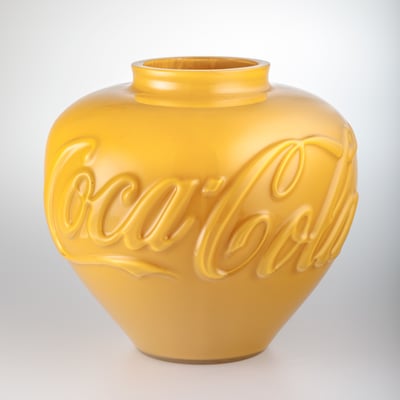
Vase (Mustard), 2024
Sculpture / Object
Glass
EUR 4,500
Weiwei Ai
Private Listing
Limited Edition Print
request info

Weiwei Ai
Vases in Black and White (Set of 2), 2024
Sculpture / Object
Glass
EUR 9,000

Weiwei Ai
Vases in Five Colours (Set of 5), 2024
Sculpture / Object
Glass
EUR 17,000 - 22,000

Weiwei Ai
To Be Looked At..., 2024
Sculpture / Object
Metal
USD 6,600
Weiwei Ai
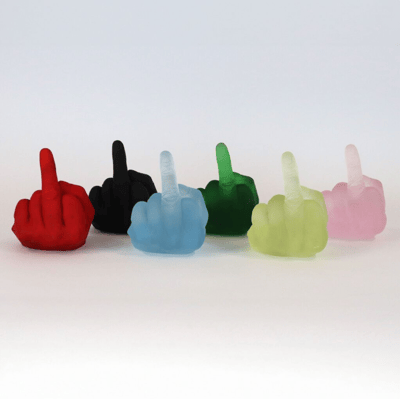
Study of Perspective in Glass (set of 6), 2020
Sculpture / Object
Glass
EUR 60,000

Weiwei Ai
Human Flow, 2023
Limited Edition Print
Mixed Media
GBP 4,650

Weiwei Ai
Free Speech, 2023
Limited Edition Print
Silkscreen
GBP 4,650
Weiwei Ai
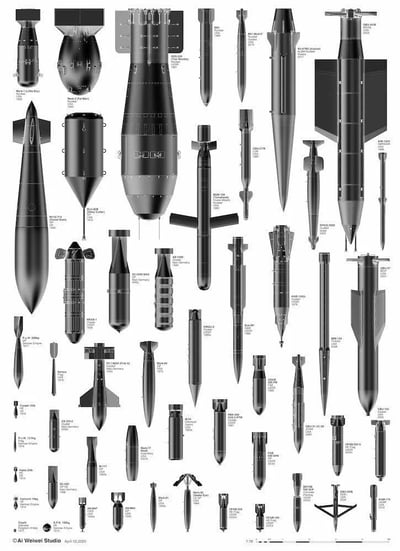
BOMB, 2020
Limited Edition Print
Inkjet print
Inquire For Price
Weiwei Ai
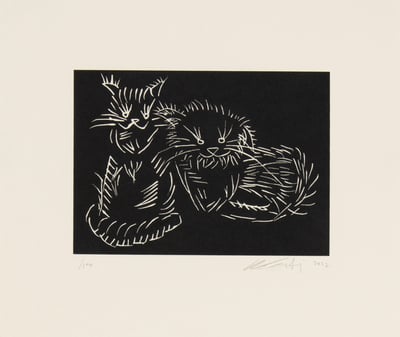
Cats (black), 2022
Limited Edition Print
Screen-print
GBP 3,850
Weiwei Ai
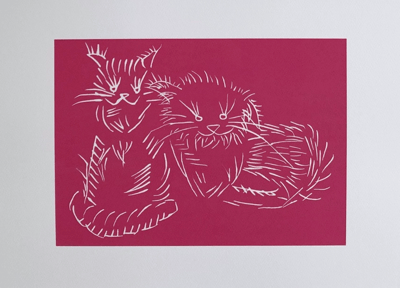
Cats (Pink), 2022
Limited Edition Print
Screen-print
GBP 3,950

Weiwei Ai
Pequi Tree, 2021
Sculpture / Object
Mixed Media
GBP 2,490

Weiwei Ai
Turquoise, 2015
Limited Edition Print
Mixed Media
GBP 9,500

Weiwei Ai
Middle Finger, 2023
Limited Edition Print
Silkscreen
USD 1,800

Weiwei Ai
Cedar Tree, 2023
Sculpture / Object
Metal
GBP 3,850

Weiwei Ai
History of Bombs, 2020
Limited Edition Print
Offset Print
GBP 2,450
Weiwei Ai
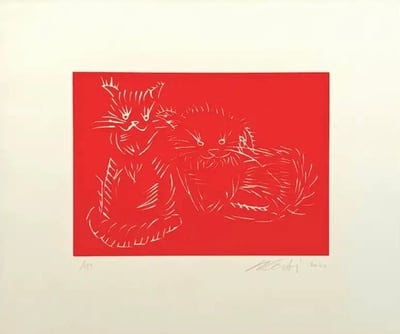
Cats, red, 2022
Limited Edition Print
Screen-print
GBP 3,350
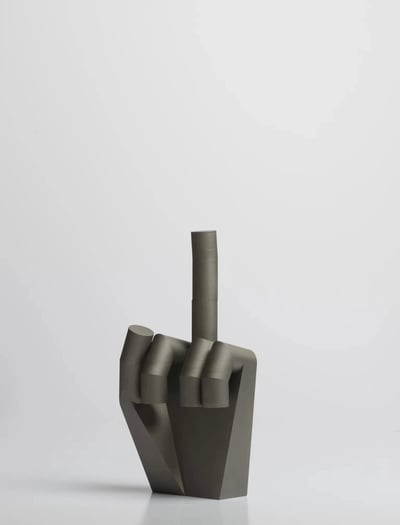
Weiwei Ai
3D Printing of My Left Hand, 2022
Sculpture / Object
Mixed Media
GBP 21,000
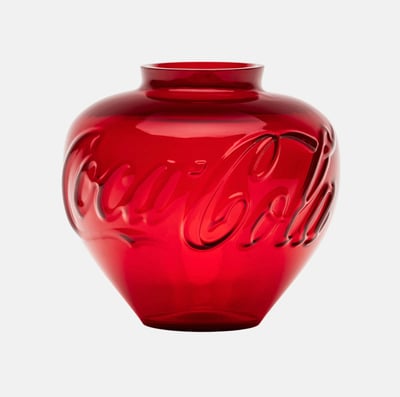
Weiwei Ai
Glass Vase, 2023
Sculpture / Object
Glass
GBP 4,000 - 7,000
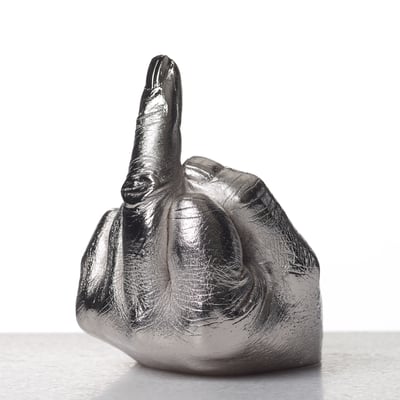
Weiwei Ai
Artist's Hand, 2017
Sculpture / Object
Resin
GBP 6,900

Weiwei Ai
River Crabs (from Papercut Portfolio), 2019
Limited Edition Print
Mixed Media
USD 4,300
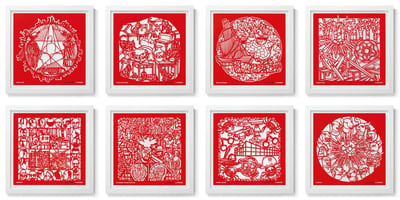
Weiwei Ai
The Papercut Portfolio, 2019
Limited Edition Print
Mixed Media
Currently Not Available
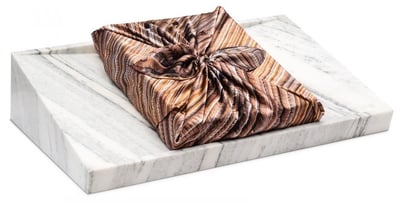
Weiwei Ai
The artist activist - Art edition
Limited Edition Print
Mixed Media
Currently Not Available
Related Artists
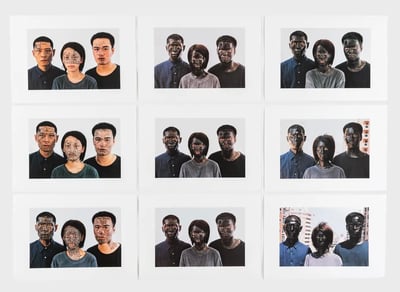

What is Chinese contemporary art?
Chinese Contemporary Art is marked by a wide range of styles and experimental approaches. In the 1980s, avant-garde exhibitions were often shut down by government officials. The 1990s saw the rise of political pop and cynical realism, while China's One-Child Policy influenced artists to explore the individual as a subject matter.
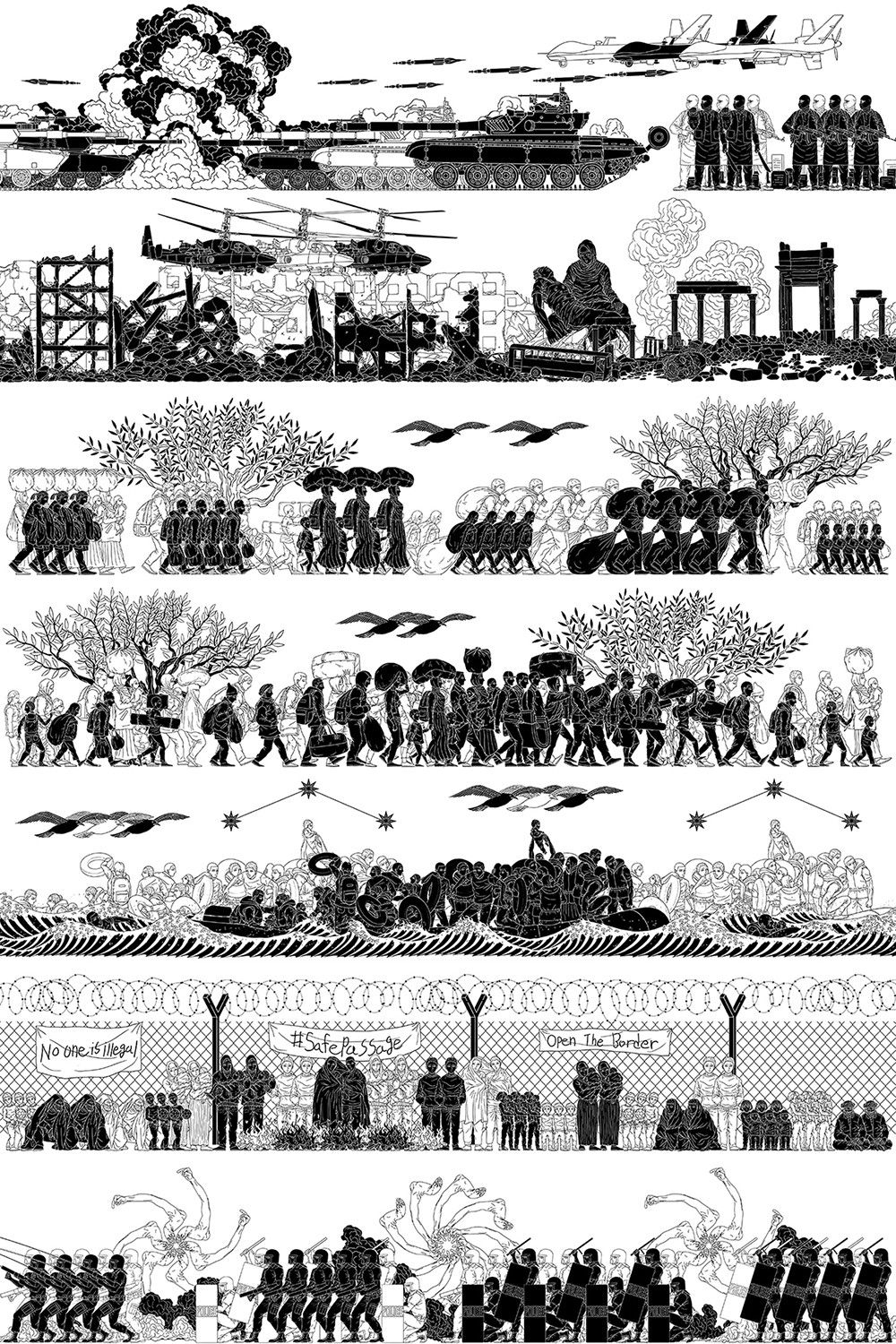
Weiwei Ai
The Odyssey, 2017
91.4 x 61 cm


