

// Studio Voltaire Edition by Wolfgang Tillmans, produced in 2019, is a limited edition inkjet print that combines abstract imagery with text to create a contemplative visual statement. The composition features streaks of light bending and flowing across a dark background, reminiscent of motion-captured light trails or the pages of a book in mid-flip, captured in a surreal, elongated form. This play of light against shadowed areas brings a dynamic energy to the piece, contrasting sharply with the stillness of the printed text at the bottom, which reads: How likely is it that only I am right in this matter? This introspective phrase introduces an element of self-doubt and reflection, inviting viewers to ponder individual perspective versus collective truth. Limited to an edition of 100, this work embodies Tillmans’ fascination with perception and introspection, using minimal elements to evoke a profound psychological depth.
Artwork Copyright © Wolfgang TillmansWolfgang Tillmans (Germany, 1968) is a German photographer renowned for his diverse body of work, which includes portraits, still lifes, landscapes, and abstract images. He was the first photographer and non-British artist to win the Turner Prize in 2000. Tillmans' innovative approach often challenges traditional perceptions of photography.
Artwork Copyright © Wolfgang TillmansStudio Voltaire Edition, 2019
Form
Medium
Size
- Inches
- Centimeters
Edition
Price
- USD
- EUR
- GBP
- CHF
- Authenticity Guaranteed
- Insured Shipping
- Online Since 2005
●Inventory 8255
●Signed
●Comes with gallery invoice and certificate
●Sell Us a Similar Artwork. Learn more.
// Studio Voltaire Edition by Wolfgang Tillmans, produced in 2019, is a limited edition inkjet print that combines abstract imagery with text to create a contemplative visual statement. The composition features streaks of light bending and flowing across a dark background, reminiscent of motion-captured light trails or the pages of a book in mid-flip, captured in a surreal, elongated form. This play of light against shadowed areas brings a dynamic energy to the piece, contrasting sharply with the stillness of the printed text at the bottom, which reads: How likely is it that only I am right in this matter? This introspective phrase introduces an element of self-doubt and reflection, inviting viewers to ponder individual perspective versus collective truth. Limited to an edition of 100, this work embodies Tillmans’ fascination with perception and introspection, using minimal elements to evoke a profound psychological depth.
Artwork Copyright © Wolfgang TillmansWolfgang Tillmans (Germany, 1968) is a German photographer renowned for his diverse body of work, which includes portraits, still lifes, landscapes, and abstract images. He was the first photographer and non-British artist to win the Turner Prize in 2000. Tillmans' innovative approach often challenges traditional perceptions of photography.
Artwork Copyright © Wolfgang Tillmans- Recently Added
- Price (Low-High)
- Price (High-Low)
- Year (Low-High)
- Year (High-Low)
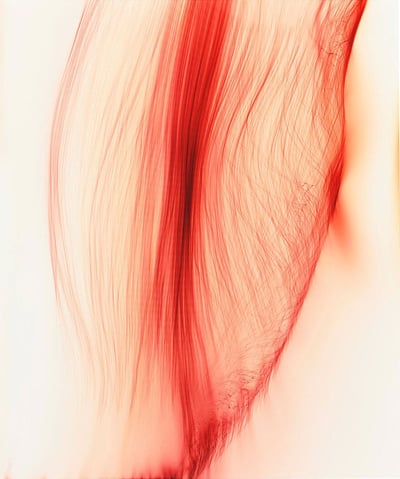
Wolfgang Tillmans
Doing well, 2001
Photography
C-Print
USD 100,000 - 110,000
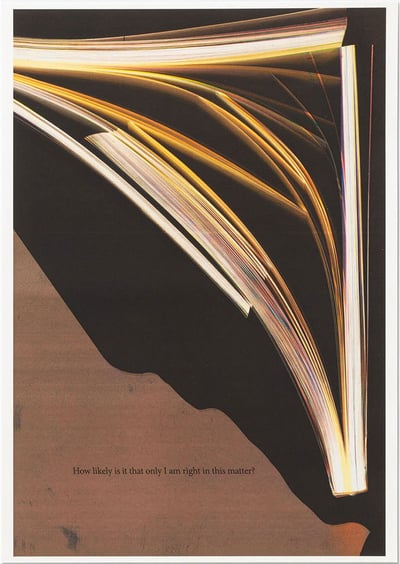
Wolfgang Tillmans
Studio Voltaire Edition, 2019
Limited Edition Print
Inkjet print
USD 3,500
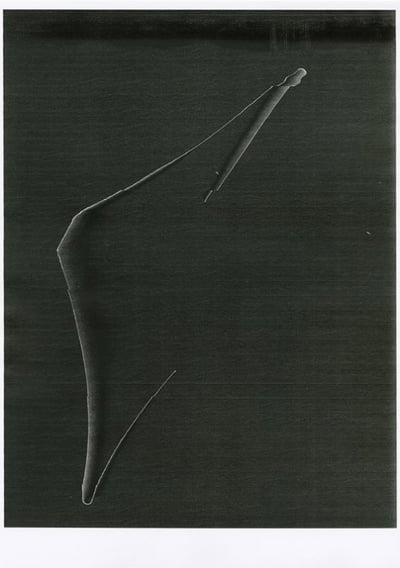
Wolfgang Tillmans
Freedom From The Known, 2006
Limited Edition Print
Digital Print on paper
Currently Not Available
Related Artists

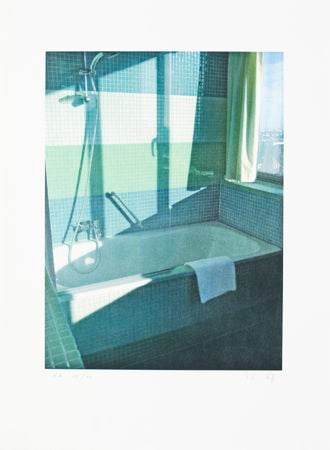

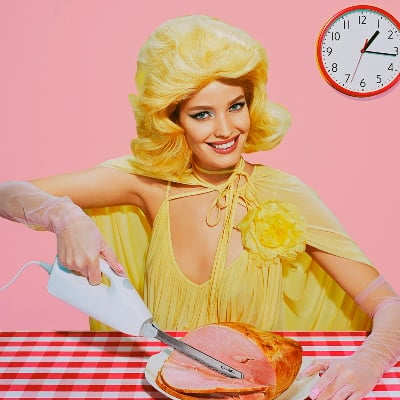
Artwork by Miles Aldridge
What is contemporary art?
Contemporary art refers to avant-garde or innovative art created in the recent past or present day. The exact starting point of contemporary art varies depending on the institution, often tied to the founding year of museums or galleries that showcase the style. Contemporary art is characterized by its focus on current ideas, diverse media, and the exploration of new concepts and techniques.

Wolfgang Tillmans
Studio Voltaire Edition, 2019
30.5 x 22.9 cm


