

Carsten Holler
Carsten Höller (Belgium, 1961) is a Belgian-born artist known for his interactive installations that blend art, science, and play. Utilizing his background in biology, Höller creates experiential works like slides, carousels, and upside-down goggles, inviting viewers to engage physically and question perception. Notable projects include 'Test Site' at Tate Modern and 'The Double Club' in London.
© Carsten Holler. All rights reserved.
- Recently Added
- Price (Low-High)
- Price (High-Low)
- Year (Low-High)
- Year (High-Low)
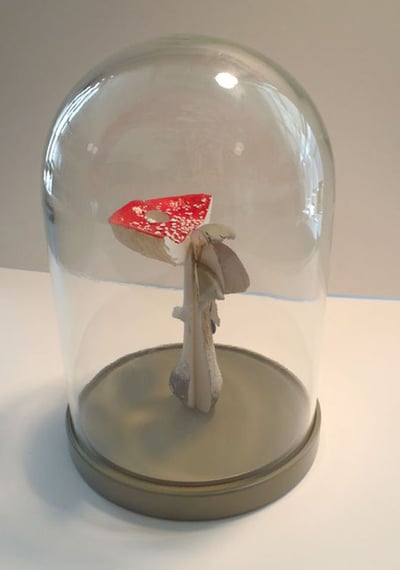
Carsten Holler
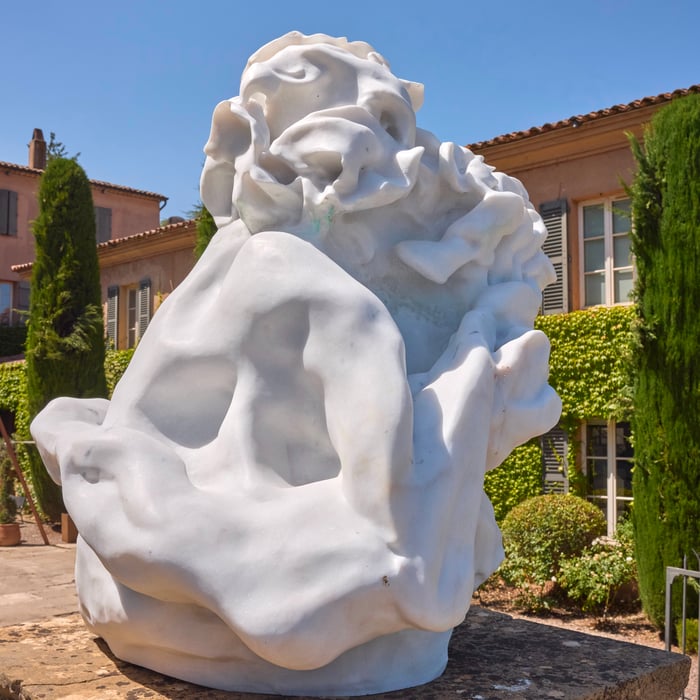
Multiple Mushroom Dome , 2012
Sculpture / Object
Mixed Media
Currently Not Available
No sold works to show.
It is impossible to travel down a slide without smiling. There must be a reason.
- Carsten Holler
- Carsten Holler
Drawing heavily on his background as a scientist, Carsten Holler’s art often pertains to the nature of human experience, perception and self-analysis – many of his works are interactive, yet disorientating, creating an environment in which the viewer questions their own logic and understanding. Flying Machine is one of his most notable works; viewers are invited to be strapped into a harness and subsequently hoisted into the air – Holler has described his works as ‘exploratory sculptures’ and hopes to provide unique individual experiences that can be used as a means for self-exploration. Several of Holler’s works incorporate the use of animals; House for Pigs and People is perhaps his most recognised work of this kind and features a box-like structure, divided by a one-way mirror – people are enclosed within one side of the partition and the pigs enclosed within the other, but the one-way mirror only allows the people to observe the pig, a notion that depicts the prevalent ecological and social divisions that we are often unaware of.
Related Artists

Related Articles
News, Popular, Collecting, Artists - August 12, 2026
In Minor Keys: Finding Intimacy and Identity at the 61st Venice Biennale — and in Your Collection
Explore how Koyo Kouoh’s 61st Venice Biennale vision, In Minor Keys, is shifting contemporary collecting toward quiet introspection, memory, and personal identi…Read More

 Artwork by Alberto Biasi
What is interactive art?
Interactive art is a form of art where the spectator is actively involved by the artist to achieve the artwork's purpose. This involvement can include allowing the visitor to walk around, in, or on the art installation, or even becoming a part of the artwork itself. Works in this category often feature computers, sensors, and interfaces that respond to vario…
Explore »

