

Lynda Benglis
Lynda Benglis (USA, 1941) is an American sculptor and visual artist renowned for her innovative use of materials such as wax, latex, and polyurethane foam. Her work challenges traditional boundaries between painting and sculpture, often exploring themes of feminism and the body. Benglis's art is featured in major institutions, including the Museum of Modern Art in New York and the Tate Gallery in London.
© Lynda Benglis. All rights reserved.
- Recently Added
- Price (Low-High)
- Price (High-Low)
- Year (Low-High)
- Year (High-Low)

Lynda Benglis
Anchor, 2010
Limited Edition Print
Etching
EUR 6,500
No sold works to show.
I wasn’t breaking away from painting but trying to redefine what it was.
- Lynda Benglis
- Lynda Benglis
In the late 1960’s the American Art World was as male dominated discourse. The American sculptor and visual artist Lynda Benglis set out to challenge this status quo by creating works of art that were feminine, sensuous and body-centric. Benglis’ early sculptures were unique in their use of organic imagery, first with the use of beeswax, and later on polyurethane, gold leaf and zinc aluminum. Moving away from using canvass, she created works of art directly on the floor, as seen through Fallen Painting. For this project, Benglis smeared paint across the gallery floor, while infusing the feminist conversation into the art, with the work depicting the depravity of the fallen woman. As Benglis’s career progressed, she continued to evolve the discussion of femininity within art. At the height of the conversation, and perhaps the most controversial, was the photographed image of her naked self holding a phallus, published as an advertisement for her work Artforum in 1974. Controversial and provocative, Benglis is an artist born of her time, and remains a widely celebrated pioneer of feminist expression in art.
Related Artists

Related Articles
Popular, Art Movements - November 20, 2024
Understanding Abstract Expressionism: Emotion and Gesture
Explore the emotional depth of Abstract Expressionism! Discover how artists like Pollock and Rothko used gesture and color to convey human complexity.Read More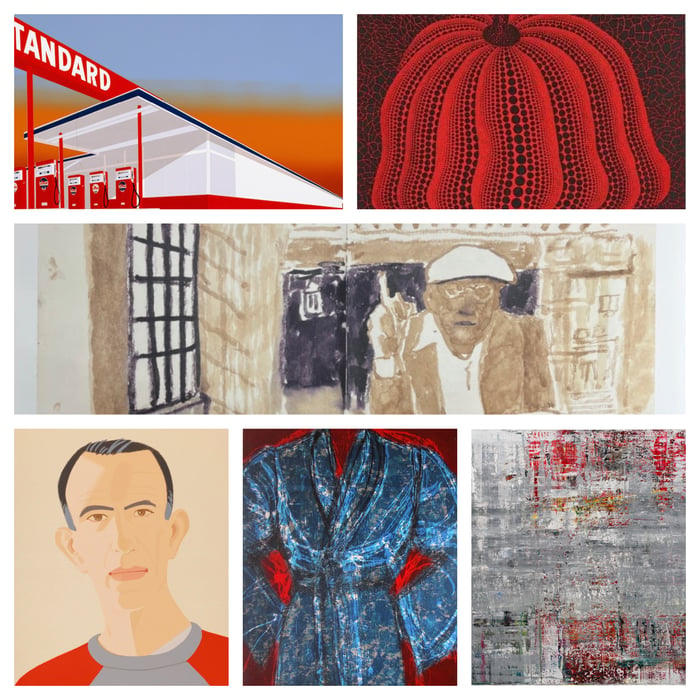
Artists - November 11, 2024
25 Living Icons: A Generation of Artists Defying Time
Celebrate 25 living legends redefining art! From Kusama to Hockney, explore their enduring creativity and groundbreaking contributions to modern art.Read More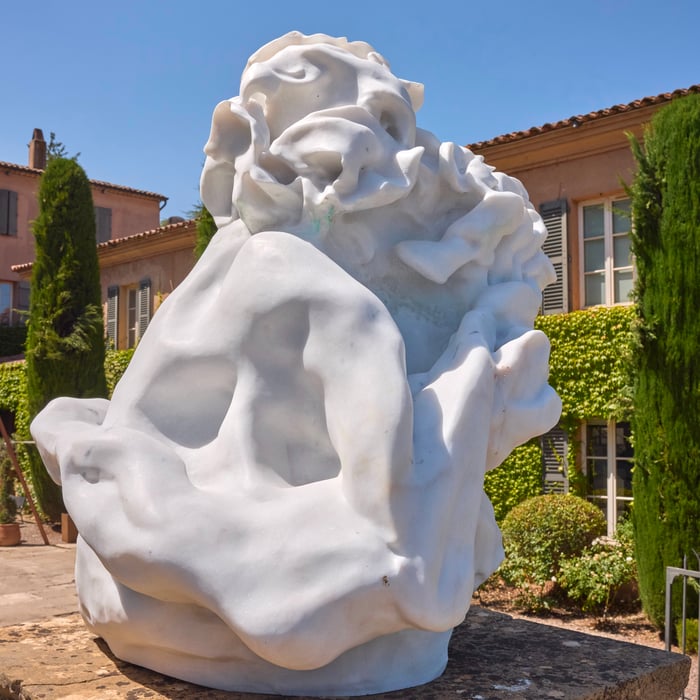
News, Popular, Collecting, Artists - August 12, 2026
In Minor Keys: Finding Intimacy and Identity at the 61st Venice Biennale — and in Your Collection
Explore how Koyo Kouoh’s 61st Venice Biennale vision, In Minor Keys, is shifting contemporary collecting toward quiet introspection, memory, and personal identi…Read More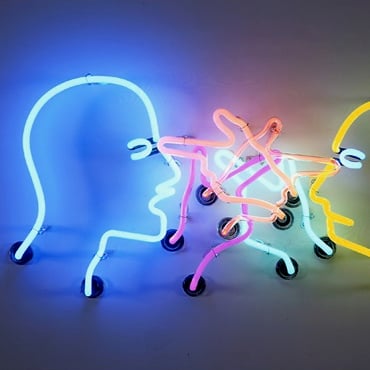 Artwork by Bruce Nauman
What is Process Art?
Process Art is an artistic movement and creative approach where the focus is on the act of creation rather than the final product. The term process in this context refers to the various stages of art-making, including gathering, sorting, associating, and organizing materials and actions. This movement emphasizes the artistic journey and the human expression…
Explore »

